Online Reporter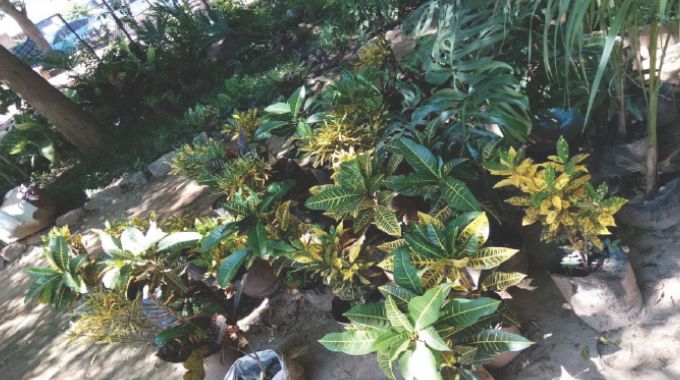
THE remarkable transformation of a once-neglected dump site in Gwanda into a thriving green space is more than just a feel-good story, it is a lesson for communities, authorities and the nation at large. Mr Jack Fitshani’s work stands as an example of what is possible when personal initiative meets passion, discipline and a deep respect for the environment.
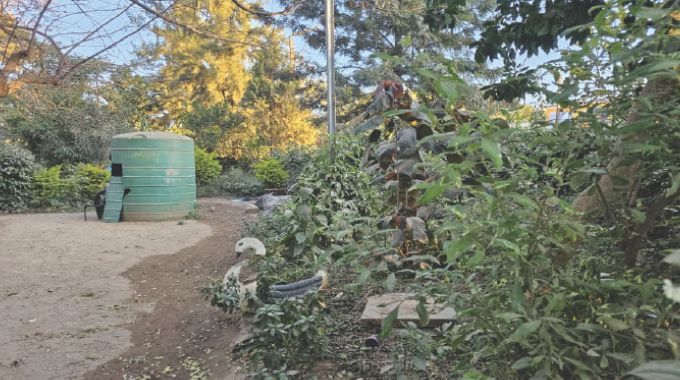
At a time when many towns and cities across Zimbabwe are grappling with growing waste, pollution and environmental degradation, the story of one 76-year-old pensioner offers a simple but profound solution: start where you are, use what you have, and take responsibility for your surroundings. What was once an eyesore along Soudan Street, avoided by residents and ignored by authorities, has now become a vibrant garden — a place of beauty, fresh air and life.
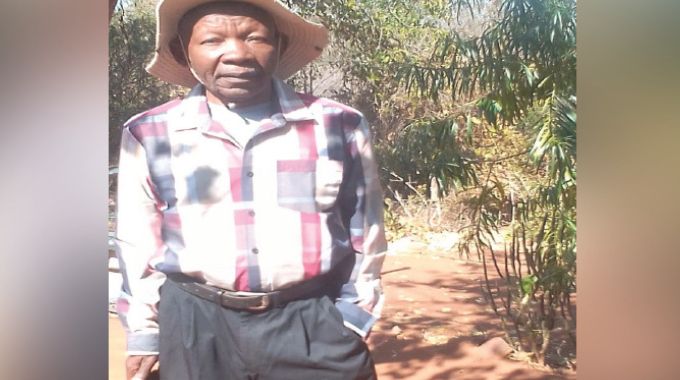
Mr Fitshani did not wait for funding, formal approval or perfect conditions. He saw a problem and decided to act. In doing so, he has demonstrated that environmental restoration does not always require large budgets or complex systems. It requires commitment, consistency and a willingness to take ownership.
His work should not remain an isolated success story in Gwanda. It must be replicated across the country. From Bulawayo to Harare, from small towns to growth points, countless spaces lie neglected, littered with waste, overrun by bush and posing health hazards to communities. These spaces are opportunities waiting to be reclaimed.
Local authorities, in particular, must draw inspiration from this example. Councils should actively support individuals and community groups willing to rehabilitate degraded land. Instead of letting open spaces become dumping grounds, municipalities can partner with citizens to turn them into gardens, recreational parks and green belts. Such initiatives not only improve the environment but also enhance the dignity and pride of communities.
At the same time, there is an urgent need to support Mr Fitshani himself. While his work is admirable, it should not depend solely on personal sacrifice. Government agencies, environmental organisations, corporate bodies and well-wishers must step in to provide resources, tools, and financial backing to expand his efforts. His project, Green Comfort, has the potential to become a model centre for environmental education, urban greening and sustainable livelihoods.
Supporting individuals like Mr Fitshani is not charity, it is an investment in the country’s environmental future. His nursery already supplies trees, herbs and seedlings to customers from across Zimbabwe. With proper backing, this initiative could grow into a large-scale operation, creating jobs, promoting climate resilience and contributing to food security.
There is also a cultural lesson to be learned. As Mr Fitshani himself reminds us, “In God’s original plan man’s habitat was never brick and mortar.” This speaks to a deeper truth: human wellbeing is closely tied to the natural environment. Green spaces are not luxuries; they are essential for mental health, community interaction and overall quality of life.
Zimbabwe cannot afford to ignore the environmental challenges it faces. Deforestation, land degradation and poor waste management continue to threaten both rural and urban areas. Yet solutions exist within our communities, often in the hands of individuals who are willing to act.
Mr Fitshani’s journey also challenges a common mindset — the belief that meaningful impact is only possible with youth, wealth or formal training. At 76, he has shown that age is no barrier to innovation or contribution. His story should inspire not only retirees but people of all ages to take part in building cleaner, greener environments.
Equally important is the need for behavioural change at community level. Residents must stop treating open spaces as dumping grounds. Schools, churches and civic groups should take the lead in promoting environmental awareness and collective responsibility. A clean, green community is not the duty of government alone, it is the responsibility of every citizen.
If one man can turn a dump into a garden, imagine what a nation can achieve together.