Online Reporter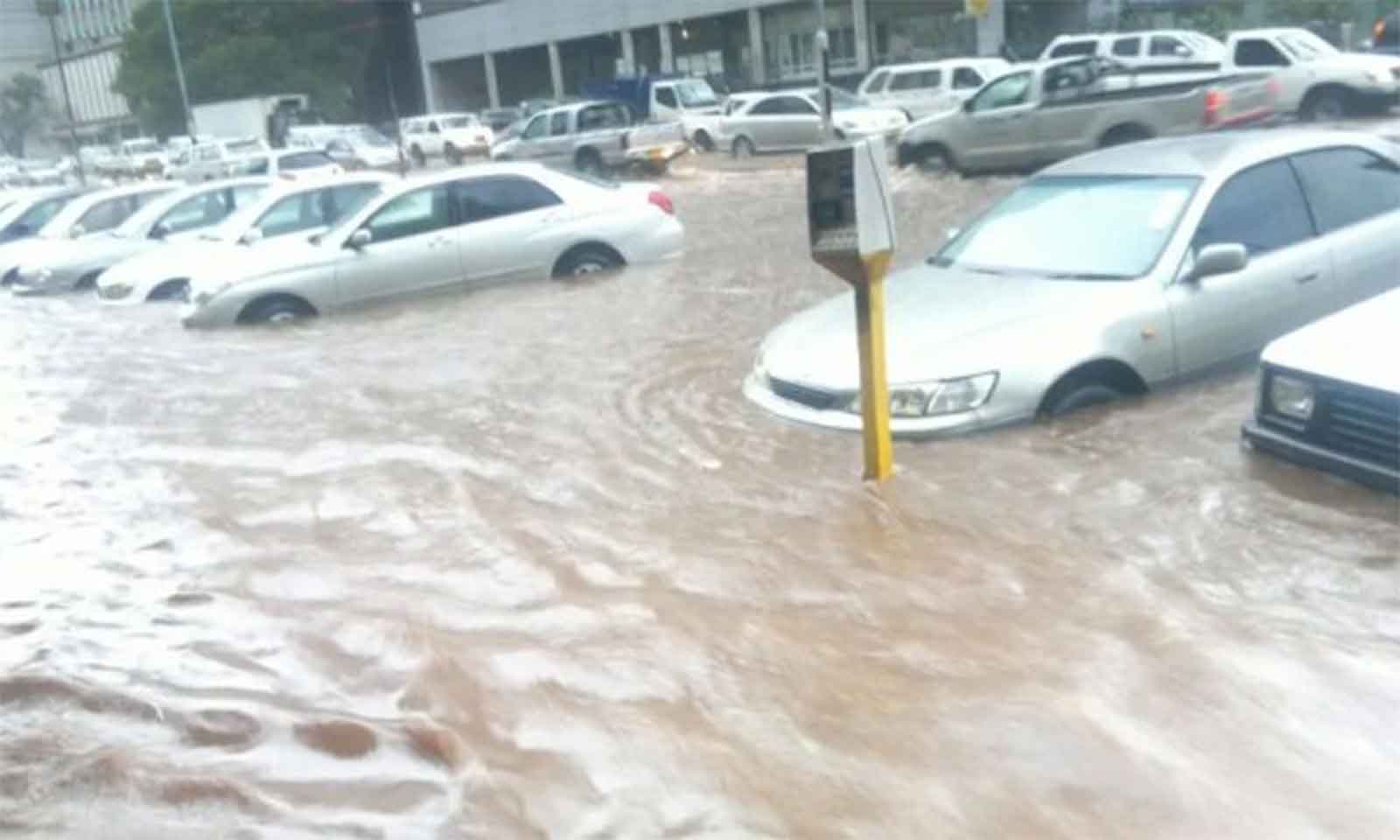
URBAN flooding in Zimbabwe is almost always a combination of converting wetlands to building sites, inadequate drains, and blocking what drains there are with rubble, waste, and garbage.
We can sit and play blame games, and sometimes we do need to find culprits, such as when land barons illegally subdivide and sell off plots on wetlands, or when garbage is not collected and people illegally dump, or when a local authority does not organise the clearance of drains.
But in many cases, there is not just one challenge, but a slew of problems, and we all need to be part of the solution. Chitungwiza is a good example of having a wide spread of sources of flooding that hits quite large areas every rainy season, and this shows the kind of innovative and cooperative response that is needed.
Building over wetlands has been going on for many years, almost since the beginning of the vast Seke suburbs in the 1970s, as planners made decisions to put as many people “over the river” as possible and brought in excavators, as they had done in many high-density suburbs of Harare, to dig deep drainage ditches.
Usually, it worked, although draining wetlands is not a great idea. They need continual maintenance and often need to be cleared out every year. Some problems arise from the street drains higher up, which householders should be clearing every year before the rains so that their own entrances are clear, but few do this anywhere in urban Zimbabwe, preferring to complain about the floodwater flowing through their gates.
But the large main drains need to be cleared by the town, municipal and city councils, as they drain far larger areas than any highly active community could manage.
If the street drains were cleaned more often, then council clearances would be easier and more effective. Properly managed wetlands do not have these main drains, so it is even more essential to minimise silt eroding into them or the build-up of garbage and waste. This places a responsibility on those who should be collecting garbage and on those who should not be throwing their litter onto the streets and into the drains.
In Chitungwiza, there is an additional problem of decent footbridges. These should be much more frequent than they are and need to be constructed properly. Many drownings occur across the country every year because pedestrians and cyclists often cannot make the longer journey to the nearest road bridge and therefore take a chance.
At least one footbridge in Chitungwiza, while sturdy enough to cope with floods, is far too low and gets covered by a swiftly flowing stream, necessitating rebuilding, in what will probably be a combined effort by the affected schools when pupils cannot get across, the municipality, and the Government.
All need to move faster, as a lot of people do not have cars and need to walk. One major problem with so many drains and drainage ditches is the significant change in packaging over the last half-century. When almost all alcoholic drinks, soft drinks, and fruit squashes were sold in glass bottles with a deposit, they did not end up blocking drains.
They were kept and handed in for the refund, or even when people did not care much, others would pick them up to get some food money. Take-aways were far rarer and in any case sold in paper bags, bread was sold with a wrap-around slip of paper, and groceries were usually in paper bags.
There were often limits on how much packaging could be used on many products to save foreign currency. This meant most waste rotted quickly. Fresh food became compost, and even paper bags soon returned to the soil.
There was very little plastic blocking drains. Things have changed a lot since then, but the old designs are still the ones being used. This means people have to stop dumping rubbish and litter.
Other flooding problems have arisen as areas become denser, and with cluster housing, this happens everywhere, including luxury housing areas. Larger plots mean more rain is absorbed into the ground.
Denser housing and commercial spaces mean there are more roofs, parking hard-stands, roads, and other areas where no water soaks in, and thus run-off increases. This can overload drains and build up flows in the natural streams and rivers, even if everyone around is very particular about their rubbish and the local council collects the garbage.
There is simply more water coming in flash floods and surges, without much buffering in gardens and backyards. Wetlands can help, but often flooding occurs on the way to the wetland.
In many areas, there is an urgent need for a competent civil engineer to work out how drainage can be expanded and extended, a technical problem that still needs to ensure that unplanned development on wetlands and other areas does not occur, so at least the engineer has some sort of slope where drains can be built.
A major campaign against flash flooding and surges in wastewater will require everyone to contribute. Ordinary people must become very litter-conscious, never dumping garbage or the remains of some snack or drink.
That at least will cut back a lot on drains blocking. Householders can at least clear out the street drains protecting their homes.
Councils need to collect garbage efficiently, or hand this over to contractors like Geo-Pomona, so that overflowing litter bins and garbage bags do not negate public efforts.
They then need to keep the drains they already have properly maintained, rather than allowing them to silt up and clog; if that requires legal action against the dumpers, then so be it.
New drains need to be dug where necessary, and much more attention must be paid by planners to the drainage of new suburbs and increased building densities.
The Government can enforce this, helping out with improved legislation, sponsoring research, and generally co-ordinating efforts. We should not be seeing what we have been seeing in Chitungwiza or anywhere else, and if everyone from the smallest landowner to the council and the Government coordinates efforts with everyone doing their share, we can end it.