Chronicle Editor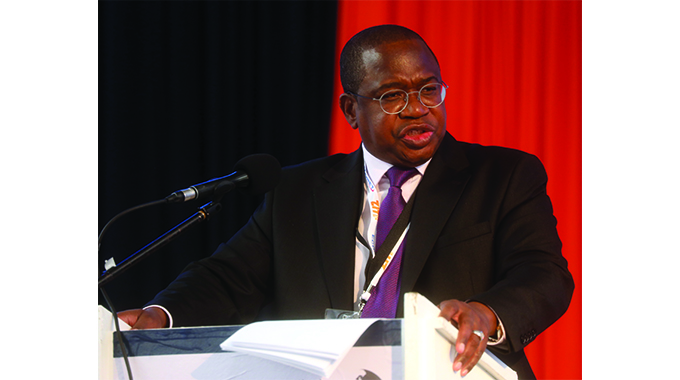
THE national currency has been weakening in recent weeks. As a result, prices have been rising as businesses seek to keep pace with the decline in value of the dollar. In extreme circumstances, which were happily isolated, some businesses have been rejecting it, preferring to transact in foreign currencies, particularly the US$.
With the economy increasingly dollarising, the majority which lacks the greenback has been suffering. Local currency wages were buying less and less.
But the Government, as it has always done at material times before, stepped in on Thursday with a raft of measures to shield the majority from the pricing madness, boost the acceptability of the local currency, enhance availability of basic commodities, strengthen the currency auction system and encourage banking of domestic sales in foreign currency.
“In order to enhance the supply of basic goods to the public, all basic goods will no longer be subject to import licences and will also come into the country free of import duties and taxes,” said Finance and Economic Development Minister, Prof Mthuli Ncube.
“In order to promote the banking of domestic sales in foreign currency, the Reserve Bank of Zimbabwe will with effect from 15 May 2023, exempt all proceeds from domestic sales in foreign currency from the 15 percent surrender requirement. All external loans to the Government will now be transferred from the Reserve Bank of Zimbabwe to Treasury. The Foreign Exchange Auction System will be further fine-tuned and will now auction a pre-announced envelope on a pure Dutch auction basis.”
On the imperative to use interest rates to discourage speculative borrowing, he said the Reserve Bank of Zimbabwe will review the instrument to ensure it is above the perceived rate of expected devaluation for holding local currency balances.
“In the short-term,” he added, “Government needs to immediately cause short-term interest rates of tenors up to six months to rise sharply, with longer-term rates remaining low, to reflect future inflation expectations. This will squeeze out speculative demand for both ZWL and USD.”
We are particularly encouraged by the Government’s suspension of duty and taxes on imported basic commodities. That will enable as many people with free funds as possible to bring into the country foodstuffs for own consumption. Dealers who have been profiteering on the streets must feel the bite.
The new dispensation will, however, as we have pointed out, be a suspension, which, by its nature, will be in force for a short time. Thereafter, the usual import taxes and duties will be reinstated. We are a manufacturing nation, thus there is a need for authorities to support local manufacturers.
We have heard some very constructive criticisms of the auction system, the biggest being that the value of the local unit is not truly market-determined. This time, market forces will rule based on demand and available foreign currency. We hope the envelope will be big enough for interested parties to make bids and win or lose transparently. This, we are confident, will bring back into the formal market, those who have been buying and selling currency on the streets.
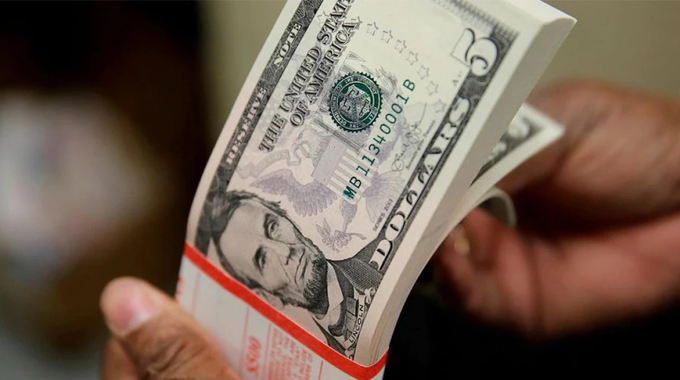
We, too, welcome the commitment that the Government will ensure that its departments and affiliates accept more payment for their services in local currency and less in foreign currency. Government and its agencies constitute the biggest service providers in the country, thus if they all actively encourage payment for their services in local currency, the unit will be in wider use nationally.
It is our hope that, together with a number of previously announced interventions such as the digital gold coins, sanctions on public contractors involved in the black market and so on, the currency stability we all desire will return, and be most durable.



 Online Reporter