

 Online Reporter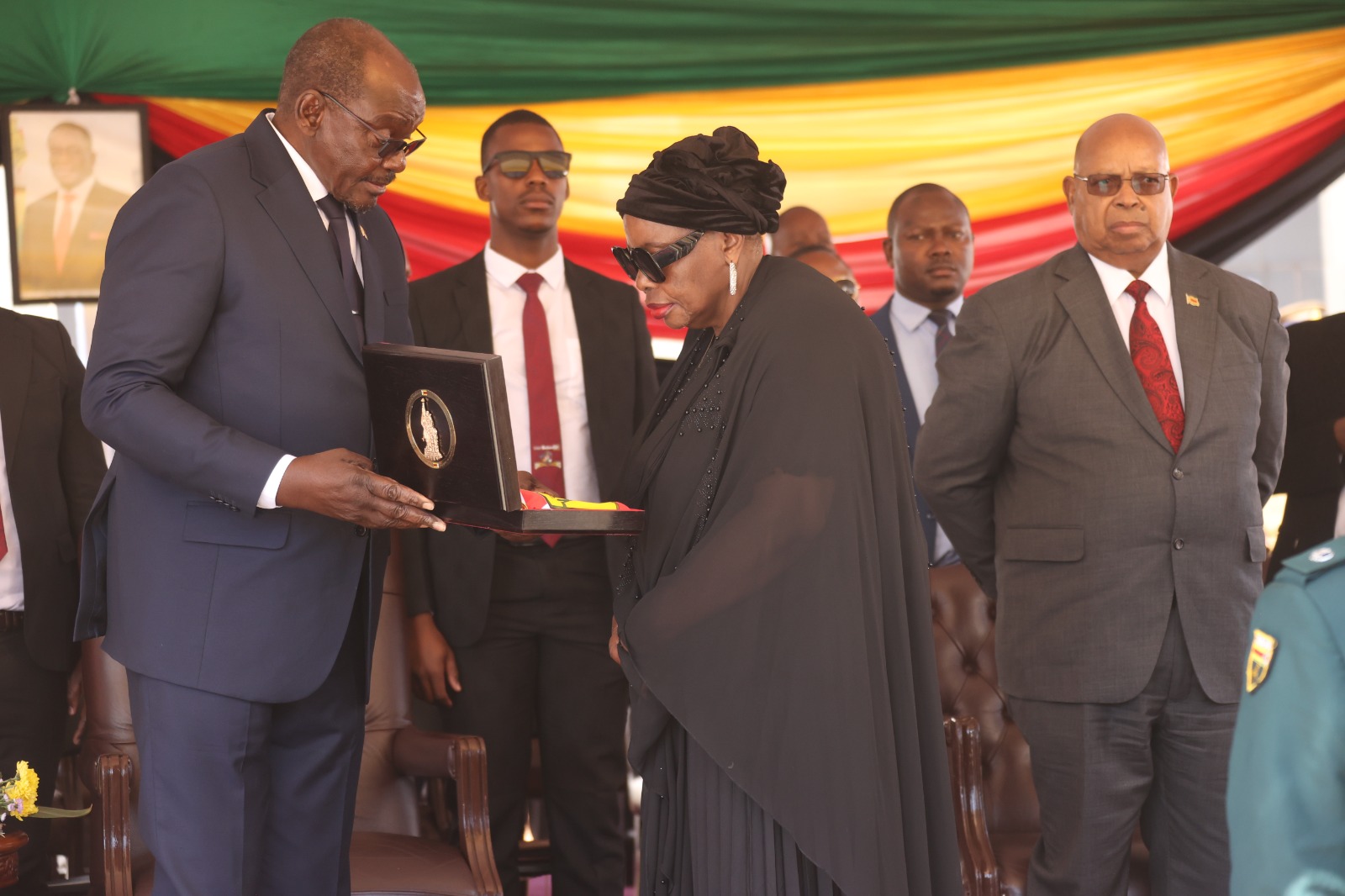
Sukuwenkosi Dube-Matutu [email protected]
GOVERNMENT has intensified efforts to combat drug and substance abuse, with renewed focus now being placed on dismantling supply networks responsible for bringing harmful substances into communities.
Vice President Kembo Mohadi said authorities will not rest until the root causes of the scourge, particularly the supply of illicit drugs, are addressed.
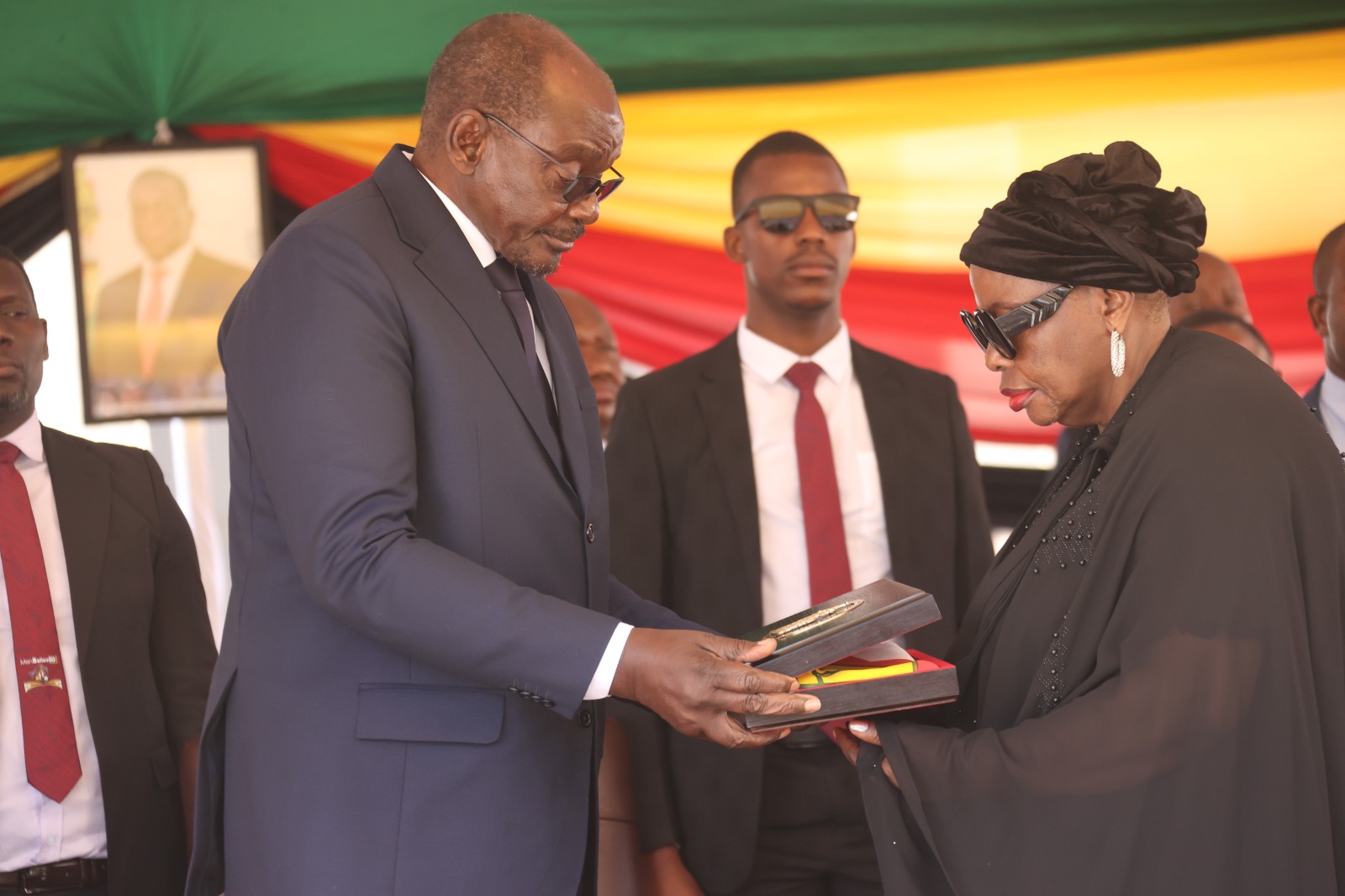
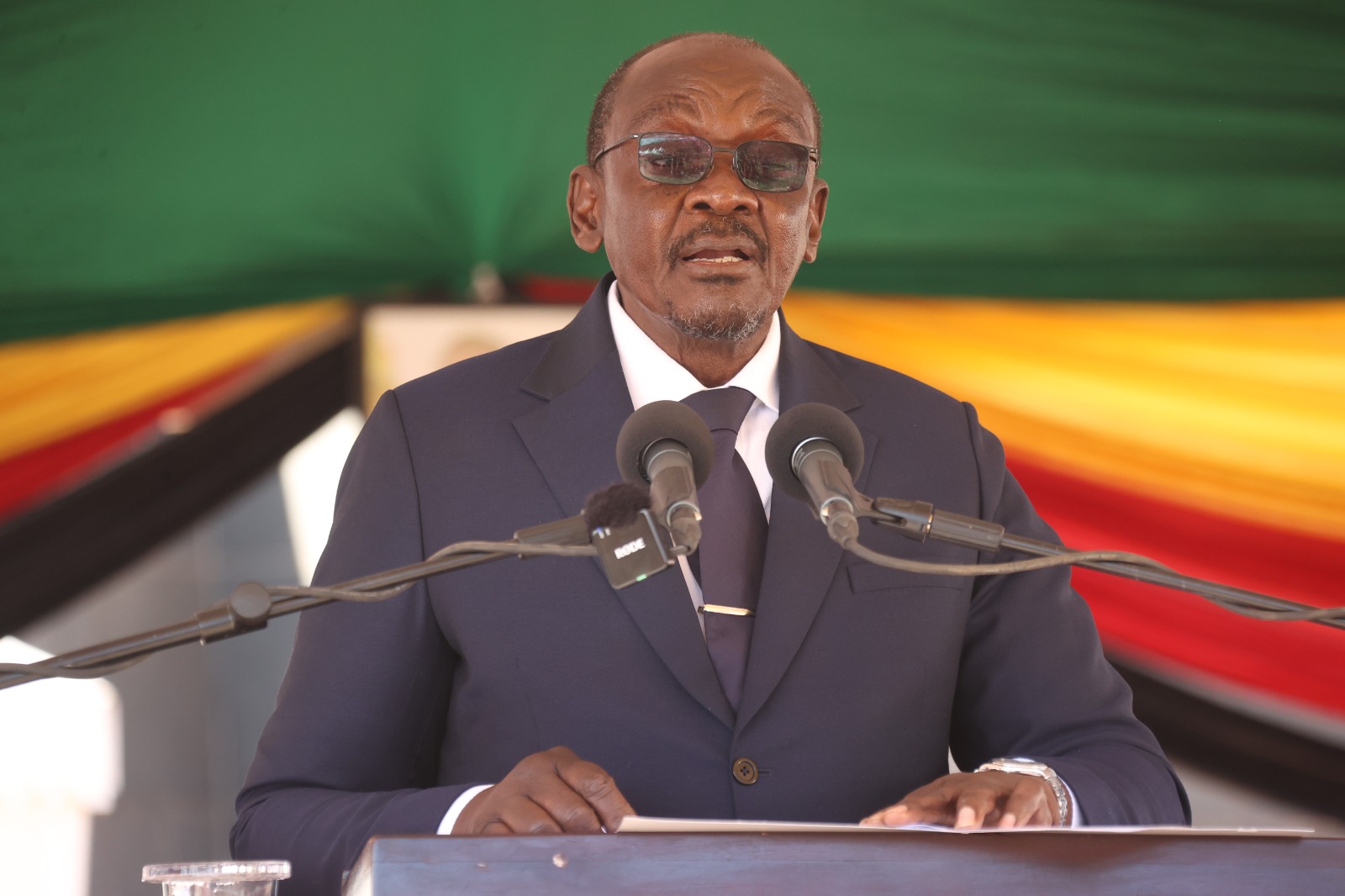
Speaking recently during the Zanu PF Matabeleland South’s National People’s Conference fundraising luncheon in Gwanda, VP Mohadi said while progress had been made in awareness campaigns, rehabilitation and law enforcement, drug supply remained a major challenge.
“Week in and week out we get reports of people being arrested either for the consumption of drugs, possession and related offences. The National Committee on Drug and Substance Abuse is looking into this and I can say that we have recorded some positive results here and there.”
The Vice President said the supply part is still a problem as some of the drugs come from outside the country.
“As Government we will not relax on that but we will fight until we win. We need to address the issue of supply. We need to know where these harmful substances are coming from and who is supplying them,” he said.
Drug and substance abuse has emerged as one of the country’s most pressing public health and socio-economic challenges, particularly among young people.
In response, Government developed the Zimbabwe Multi-Sectoral National Action Plan on Drug and Substance Abuse (2024-2030), a comprehensive framework aimed at tackling the problem through prevention, treatment, rehabilitation, law enforcement, policy reform and community participation.
A National Committee on Drug and Substance Abuse has also been established to spearhead the response through a multi-pronged approach guided by key pillars that include supply reduction, demand reduction, harm reduction, treatment and rehabilitation, legal and policy reforms, community reintegration, media and communication, and resource mobilisation.
VP Mohadi said there was also a need to strengthen efforts to reduce drug consumption while expanding treatment and rehabilitation services for those already affected.
He said young people, who constitute a significant proportion of the population and represent the country’s future workforce and leadership, needed protection from the devastating effects of drugs.
The Vice President said President Mnangagwa’s development philosophy, “Nyika inovakwa nevene vayo”, places young people at the centre of national development.
“Youths have a critical role in developing the nation as future leaders, but they will not be able to fulfil this responsibility if they are constantly under the influence of drugs and harmful substances,” he said.
VP Mohadi also called on traditional leaders to play a more active role in identifying drug peddlers and mobilising communities against the scourge.
Chief Masuku of Gwanda said the activities of drug dealers were causing extensive social and economic harm.
“It’s concerning to see the level of damage which is being caused by drug and substance abuse in our communities. Our children and even adults are always high because of drugs. They can’t contribute to the development of their communities because of the state that they will be in,” he said.
Chief Masuku said rehabilitation efforts alone will not be sufficient if drugs remained readily available in communities.
“There is also a need for deterrent sentences for culprits to discourage such illegal activities. Even if we establish rehabilitation centres and admit people, as long as they are released and get exposed to drugs again, we will continue facing this challenge,” he said.
Zimbabwe, like many countries across the world, has witnessed a rise in drug use, misuse and abuse, with youths being among the most affected groups.
To strengthen the national response, President Mnangagwa launched the Multi-Sectoral Drug and Substance Abuse Plan (2024-2030), which seeks to tighten enforcement of anti-drug laws, disrupt supply chains and expand prevention, treatment and rehabilitation services.
Government has also mainstreamed anti-drug programmes from national level down to provinces, districts, wards and villages to ensure communities actively participate in combating the scourge.
Provinces have been tasked with developing local strategies, including mobilising resources to support anti-drug interventions, following the launch of the National Drug and Substance
Response Resource Mobilisation Programme by President Mnangagwa in July last year.
Government has already allocated ZWG$865 million towards the programme, while individuals, companies and development partners have been called upon to contribute through partnerships and donations.



Destroy the market if drug abuse is to be controlled. Drug supply chain is basically a moving target and cannot be destroyed. South American countries, the major sources of drugs have tried to burn the poppy fields, arrest members of drug cartels, intercept transportation of drugs and disrupt supply chains and have dismally failed because the market is still very much alive and kicking. The Middle East managed to almost eliminate the drug menace by targeting users (markets) and punish them heavily. In Indonesia, they have a war-cry against drugs; Dada(drugs) is Death! In Zimbabwe, we build hotel like rehabilitation centre and welcome drug abusers with open arms, feed them, “detoxify” them, give them skills and release them back into society only for them to relapse and go back to drugs again. We don’t even have systems in place to monitor those who leave rehabilitation centres after being “detoxification”.