

 Online Reporter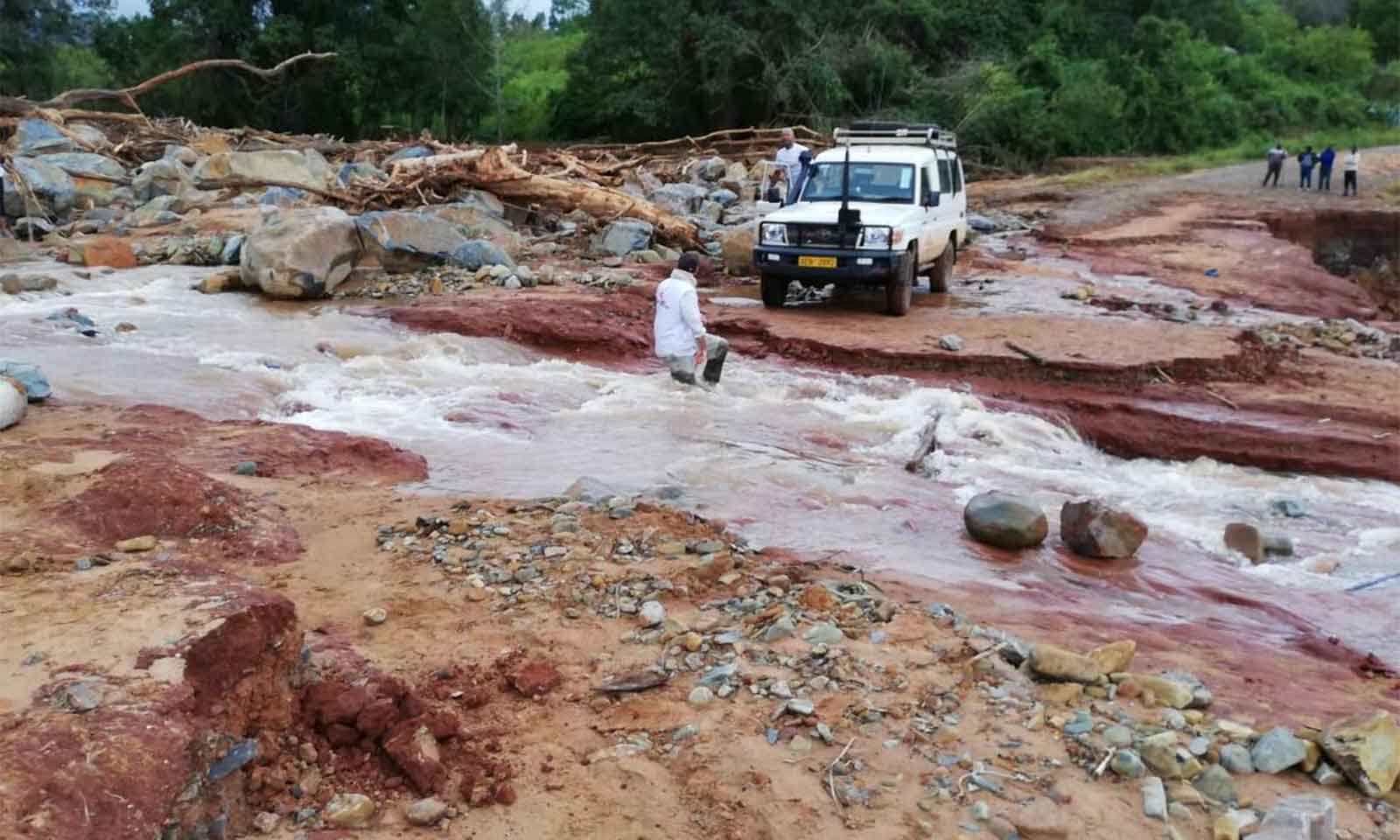
EVERY rainy season brings its fair share of what can be thought as ordinary disasters: bad storms, gusting winds, hail, flash floods, low-level bridges under water and people and their stock trapped behind a raging river.
In many years now, we also get a cyclone, or a storm that was once a cyclone and is still powerful as a tropical storm or even just a tropical depression since cyclones and the storms they generate bring various degrees of high wind and are loaded with extra rainfall.
While weather prediction is getting better, no one can fix until the last moment the precise locations that will be affected by each event, only that some community in some part of Zimbabwe will be hit.
And as the season progresses, more and more places and communities will have to cope, and will need backing.
Initial responses are to ensure people are safe, either because they have somewhere suitable to shelter or who can be, in the more severe cases such as a cyclone, be evacuated to already identified shelter and relief supplies of food, medication and other essentials are available.
In some cases the affected communities will need to be in contact with the authorities within what little warning time can be expected.
Zimbabwe has been building up its capacity to cope with disasters and this was accelerated after Cyclone Idai hit in March 2019.
This was the worst cyclone for many decades and showed that we needed a large upgrade in how we prepared for disasters, as the worst now imaginable was a lot worse than we ever expected.
We are continuing to upgrade and this week Cabinet approved the latest National Multi-Hazard Contingency Plan for the season that has already opened to deal with the sort of disasters that are common and more likely owing to climate change.
We have learnt we need to be ready for all contingencies and have a set of procedures that everyone can follow to save lives and minimise damage.
The core of our planning involves a small group of experts dedicated to building up capacity and making sure all other agencies who may be involved know what to do if called in, and that the local communities have had training or some form of preparation.
We do not keep fulltime disaster officials sitting around everywhere, nor do we have much in the way of dedicated equipment. Some supplies are stockpiled and kept in good shape and regularly checked so will be available.
The bulk of officials and others who will deal with each incident are usually in fulltime employment doing other things to serve communities. But they have been trained and briefed on what they will have to do when mobilised for a disaster so that they can swing quickly into action.
It is the same for most of the equipment, from the helicopters of the Air Force of Zimbabwe down to small vehicles. These are employed doing their ordinary work most of the time, but when disaster strikes can quickly be brought into action and crewed by people who know what to do and how to do it.
Since a disaster can happen anywhere, it means that the planning has to encompass all districts and communities so that immediate responses can be made without waiting for reinforcements from neighbouring districts.
Several districts, perhaps even a majority, will not have any form of disaster to cope with, but they all need to be ready if something does happen.
This year’s plan continues the regular upgrading we have been seeing in recent years and as we accelerate development generally there will be more people and more equipment available if needed.
We have also been building up the institutional memory, so that we continually learn of what can happen and what is the best way to cope.
So far this season, the worst we have seen is a set of bad storms across the southeast of Masvingo Province, the usual sort of damage of roofs blown off schools and the like, but no loss of life if only because everyone knew what to do, but a fair amount of damage that will need to be repaired or replaced.
The local disaster teams coped, as will the teams in other districts if they also get hit. It also shines a light on continually building up preparations, such as checking roof nails before the gusting storm winds so that the damage is minimised.
There is a need for everyone to make the necessary checks a matter of routine before every rainy season, and our disaster planning needs to make sure it is done. We need to continually learn.
Other parts of disaster preparations are to make sure everyone understands the dangers.
For example, we know that lower bridges are flooded as rivers and streams rise, but this should be no more than a minor irritation as people and vehicles wait near the banks for the river levels to fall.
It is only when people do not assess the risk, or know the risk, that we get, say, a bus swept off a bridge and have a major disaster to clean up, rather than a late bus whose passengers had to camp out for a day or two.
Even cyclones, usually the worst likely disaster, can be dealt with.
Since Idai we have been using modern telephone technology and broadcasting to have communities integrated into the planning, able to receive warnings in time with the other preparations ready to be activated.
This involves making sure there are safe evacuation routes, that appropriate vehicles are deployed, and suitable premises for shelter have been identified well in advance.
These have been tested in the lower power cyclones we have experienced since Idai and have worked.
It is good to know that not only are we prepared, with planners and communities all working together to make sure, but that central Government has been keeping a tight watch on the progress and has been making sure that adequate resources can and will be committed.



