Chronicle Editor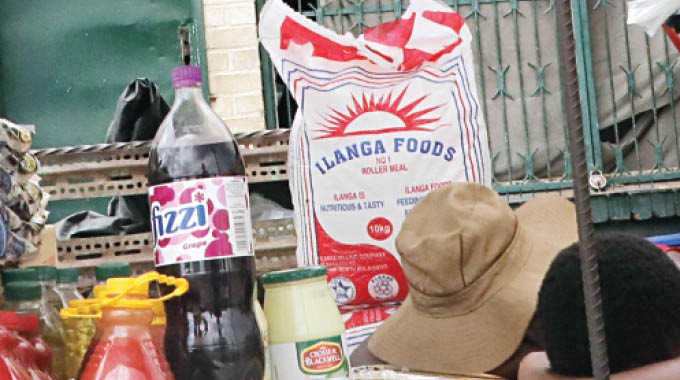
Government has ordered businesses to revert to prices obtaining as of 25 March 2020. It said there was general agreement amongst the multi-sectoral partners that the price increases, particularly during the lockdown, were speculative and therefore unjustified. We therefore expect all businesses along the value chain to comply with this moratorium meant to protect consumers against unwarranted escalation of prices of basic commodities.
Unscrupulous businesspersons were taking advantage of the lockdown to charge exorbitant prices. The country is on a national lockdown and residents are supposed to buy from shops within a 5km radius of their residential areas. Retailers, most in the Western suburbs were taking advantage of this requirement to fleece consumers by charging exorbitant prices. We therefore want to commend Government for its move to protect consumers who were suffering as a result of profiteering businesspersons.
Regulating prices of basic commodities, especially food items, during this period of Covid-19 lockdown is not unique to Zimbabwe as countries such as neighbouring South Africa and Rwanda have also come up with regulations that limit price hikes and product stockpiling.
Rwanda in fact on 16 March 2020, set fixed prices for 17 basic food items that include rice, sugar and cooking oil to address the challenge of unscrupulous businesses taking advantage of the lockdown. The unscrupulous businesspersons that have been increasing the prices of food items seem not to appreciate the plight of their customers who are struggling to raise money as most of them no longer have sources of income as a result of the lockdown.
There is also urgent need to put measures in place to stop hoarding of basic commodities such as roller meal which are then sold at exorbitant prices at the black market. What has worsened the situation for Zimbabwean consumers is that retailers importing goods from neighbouring South Africa have been increasing prices even for those buying in foreign currency.
The local retail shops have in most cases been charging more than double the SA prices which clearly shows they are after profiteering at the expense of the suffering consumers. Some retailers have been refusing payment through swipe, Ecocash or telegraphic bank transfers yet Government is encouraging the use of plastic money.
President Mnangagwa has repeatedly appealed to businesses to refrain from profiteering but it seems the message was falling on deaf ears. Now that all stakeholders have agreed to revert to March 25 prices, the challenge is to put mechanisms in place to monitor compliance.
There is also a need to guard against creation of artificial shortages of basic commodities by cunning businesspersons intending to feed the black market.



 Online Reporter