Online Reporter
TREASURY’S allocation of over ZiG3 billion for pivotal projects in Matabeleland, among them the Bulawayo-Victoria Falls Road and the Gwayi-Shangani Dam, demonstrates a significant move to transform the economic landscape of the region.
This not only signals a commitment to infrastructure development, but also presents an opportunity for social and economic upliftment within the region.
The Bulawayo-Victoria Falls Road, stretching 440 kilometres, is central to Zimbabwe’s tourism and trade corridor.
This road is not merely a route; it is a vital economic artery that connects major cities and facilitates the movement of goods and tourists alike.
With an investment of ZiG2,9 billion earmarked for its rehabilitation and upgrading, the Government is making a conscious effort to enhance travel efficiency and safety. As of October 2025, 19,2 kilometres, including crucial sections in Hwange and Insiza, have already been opened to traffic.
The completion of this project is anticipated to significantly slash travel time to Victoria Falls, enriching the tourism experience and generating increased revenue for local businesses.
In tandem with these developments, the Gwayi-Shangani Dam represents another cornerstone of the region’s economic strategy. With a budget allocation of ZiG273 million and standing at 73 percent completion, this project is a critical phase in the National Matabeleland Zambezi Water Project (NMZWP).
Once operational, the dam will provide water security for Bulawayo and the surrounding districts, while also fostering opportunities in irrigation and fisheries. The additional establishment of a 15MW mini-hydro power plant underscores the project’s multifaceted benefits, promoting sustainable energy production and contributing to local job creation.
Finance Minister Professor Mthuli Ncube’s budget announcement highlights a broader strategy to prioritise public infrastructure projects with high economic and social returns.
By focusing on ongoing projects that are already advanced in their completion, the Government seeks to optimise the impact of its investments in a challenging fiscal environment. This approach recognises the importance of leveraging existing progress, which can more rapidly yield dividends for the population.
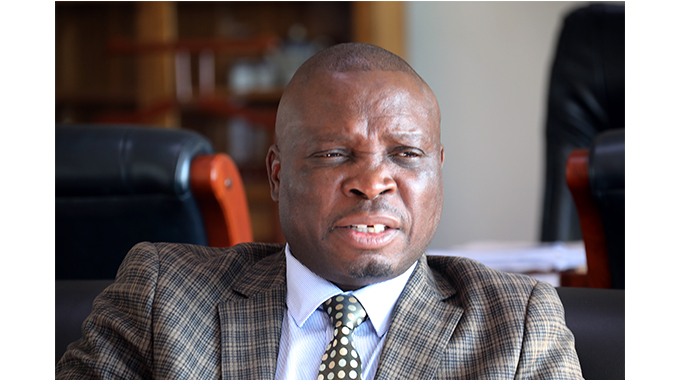
The benefits projected from the Bulawayo-Victoria Falls Road and Gwayi-Shangani Dam extend beyond mere financial metrics. Minister of State for Provincial Affairs and Devolution Matabeleland North, Richard Moyo, articulated the excitement among local leaders regarding the transformative potential of these projects.
The anticipated boom in sectors such as tourism and job creation speaks to a vision that seeks to uplift entire communities. With improvements in transport infrastructure and water supply, the region stands to become a thriving hub of economic activity, aligning with Zimbabwe’s Vision 2030 and National Development Strategy.
Moreover, these developments underscore an essential shift towards fostering private sector engagement and attracting foreign investment. By committing resources to projects with clear socio-economic benefits, the Government signals its intent to create an environment conducive to business growth.
As employment opportunities proliferate and small and medium enterprises flourish, the economic landscape will evolve, supporting broader goals of sustainability and resilience in the face of climate challenges.
However, it is imperative that the Government remains vigilant in implementation efficiency and oversight. Past experiences with infrastructure projects in Zimbabwe have often been marred by delays and budget overruns. Hence, ensuring transparency and accountability in the disbursement of funds is crucial for ensuring that the allocated resources translate into tangible benefits for the communities, and nation at large.
Furthermore, community involvement in these projects will be a vital aspect of their success. Engaging local populations in the planning and execution phases can foster a sense of ownership and responsibility, which are key in ensuring the longevity and effectiveness of such developments.
Programmes designed to train locals in relevant skills for employment opportunities within these projects can enhance the socio-economic benefits and ensure that the growth is inclusive and equitable.
As the completion dates for both the Bulawayo-Victoria Falls Road and Gwayi-Shangani Dam draw closer, there is palpable optimism about the future of Matabeleland. The dual focus on enhancing transport infrastructure and ensuring water security demonstrates a comprehensive approach to economic development by the Second Republic led by President Mnangagwa.
Indeed, it is an initiative that could potentially redefine the socio-economic dynamics of the region, providing a model for other provinces in Zimbabwe seeking similar transformative growth.
It is our fervent hope that the substantial financial commitment towards these projects marks a pivotal moment for Matabeleland. As Zimbabwe navigates its economic challenges, the successful implementation of the Bulawayo-Victoria Falls Road and Gwayi-Shangani Dam could catalyse a broader economic revival, promising improved livelihoods, increased tourism, and sustainable development.
It is a crucial step towards realising the nation’s vision for a prosperous and resilient future, and the eyes of the nation will undoubtedly be on how effectively these initiatives are actualised. The promise of these projects serves as a beacon of hope for Matabeleland region.