Chronicle Editor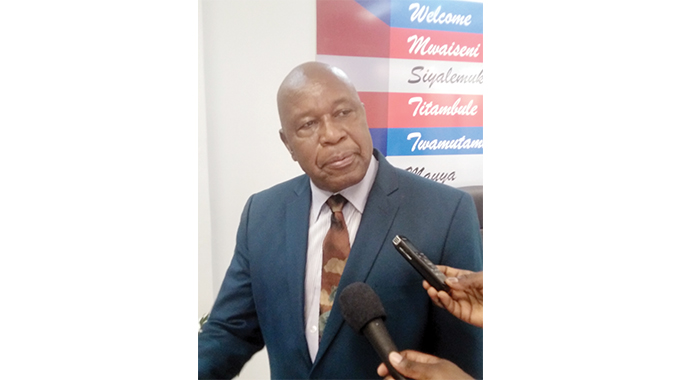
Saturday, March 26 has gone, along with the national euphoria that the 28 parliamentary and 122 local government by-elections held on that day caused.
Parties campaigned so vigorously it all looked like we were heading for a general election. It was all colour and drama. Most of the vacancies arose as a result of recalls that occurred in the squabbling opposition, with a few others caused by deaths and dismissal of incumbents.
As most of the recalls were made by MDC-A, a majority of vacancies were in urban areas where the party tends to perform well.
It was therefore not too surprising that the opposition had greater chances of winning the seats. Citizens Coalition for Change (CCC), which splintered from MDC-A in January, won 19 of the parliamentary seats with Zanu-PF asserting its rural dominance by retaining its seven constituencies and seizing two from MDC-A/CCC.
The final tally of local government results was still pending at the time of writing, but we can reasonably expect that CCC won in wards where incumbents were recalled while Zanu-PF took back those it held, snatching a few more such as in Victoria Falls and Norton from the opposition.
An analysis of the results clearly shows that the ruling party was the winner having grown its two thirds parliamentary majority.
This shows growth, a growth that is attributable to the Second Republic’s urban renewal agenda and long-standing delivery in rural areas.
CCC has been trying to pretend that they are a new formation that has done well winning the 19 of the 28 contested seats but, in reality, they aren’t new and did not win much.
Yes, their candidates, most of whom were recalled necessitating the by-elections, won, but they did it on wafer-thin margins. On the other hand, in constituencies where the ruling party won, it did by more thumping majorities.
Mwenezi East delivered the highest tally at the weekend when Cde Master Makope polled 12 177 votes against Tendeukai Mandizvidza of CCC’s measly 1 573.
In Murehwa South, Cde Nyasha Masoka garnered 11 097 against Rodreck Munemo of CCC’s 1 729, while in Mberengwa South Cde Tasara Hungwe got 7 935 ballots against CCC’s Davis Shoko with 1 425 votes.
In Chivi South, Cde Munyaradzi Zizhou won after polling 6 832 with CCC’s Paul Mhlolo getting 1 414 votes whereas in Marondera East Cde Jeremiah Chiwetu garnered 9 379 votes with Samuel Machekanyanga of CCC getting 1 874 votes.
At local government level in Bubi Ward 1, Matabeleland North, a ruling party candidate got 566 votes, while a CCC representative collected just 24. In Mberengwa Ward 25 in the Midlands, a ruling party representative got 735 votes while a CCC member managed only 44.
Given the wide margins that the ruling party won by, it is no wonder that in total it amassed 128 399 votes from the nine constituencies it won with CCC candidates polling 129 799 from the 19 constituencies its candidates won.
Therefore, the ruling party is the biggest winner in the by-elections. It went into the weekend with nothing to lose really, retained its seats and went on to successfully fish from the opposition pond. On top of that and all votes counted, Zanu-PF nearly outpolled CCC.
Zanu-PF spokesperson, Cde Chris Mutsvangwa exemplified the delight in the party yesterday when addressing the media in Harare. “We are rejuvenated after taking some of their seats yet they failed to take any of Zanu-PF seats,” he said.
“They are licking their wounds in the seats they lost and in Manicaland, a province they used to have. In urban areas we have been like a sick patient in hospital.
Our joy comes from the fact that we made in-roads. If you can’t draw joy then you aren’t appreciative. Worry about those who lost seats because we are on an upward trend.
The message of prosperity we are churning out shows that we will get more resources because business is happy. We see a turnaround in the fortunes of Zanu-PF.”
The weekend was considered a dress rehearsal for the harmonised elections next year, suggesting that whoever did well has brighter chances of doing the same next year.
Yes, voter apathy was high as in any by-election in the country; the number of contested seats was not really nationally representative, but there is no denying that President Mnangagwa leads Zanu-PF into next year’s elections from a strong position – a clear dominance in rural areas and an upswing in support in urban areas, especially peri-urban and high-density constituencies such as Mutasa South and Epworth.



 Online Reporter