

 Online Reporter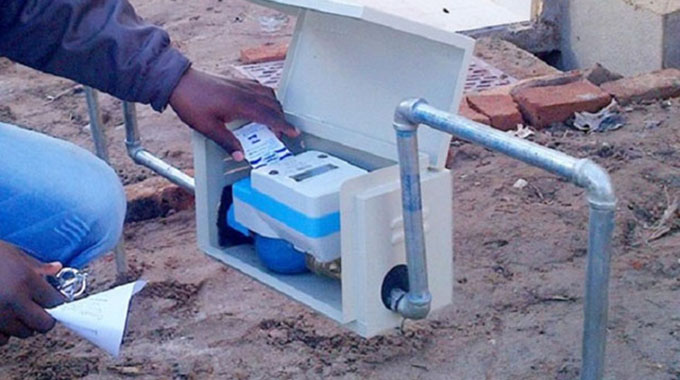
The introduction of prepaid water meters is a commendable step towards addressing water management challenges and promoting responsible consumption across the country.
However, we must never forget that water is a fundamental human right. Access to clean and safe water is essential for health, dignity and well-being.
It is crucial that any water management system, including the introduction of prepaid meters, ensures that this right is upheld for all individuals, regardless of their income level.
As we reported yesterday, in an effort to address water management challenges and promote responsible consumption, the Government is set to implement prepaid water meters nationwide, starting with Harare.
By empowering residents to monitor and control their water usage, this initiative not only enhances efficiency but also encourages a more sustainable approach to resource management.
Water preservation is crucial, especially in regions facing water scarcity. With prepaid meters, residents can become more conscious of their water usage, helping to conserve this precious resource.
Additionally, ensuring water quality through proper purification and distribution processes is vital for public health and well-being.
Paying water bills on time is paramount in maintaining the infrastructure and services required for a reliable water supply.
Timely payments help prevent disruptions and ensure that the system remains functional and efficient. This prepaid initiative, by improving revenue collection, will support the continuous provision of high-quality water services.
But while we want all residents to pay on time, we must be cognizant that the introduction of prepaid water meters can have both positive and negative impacts on low-income households.
Positives include the fact that prepaid meters allow residents to monitor and control their water usage, helping them manage their consumption more effectively and avoid unexpected high bills.
They also allow households to pay for the water they use, which can lead to fairer billing practices and reduce disputes over water charges.
These meters can also help detect leaks early, preventing water wastage and reducing costs for households.
On the flip side, the upfront cost of water can be a burden for low-income households, especially if they struggle to afford the initial payment required to access water.
If households run out of credit, they may experience interruptions in their water supply, which can be particularly challenging for those with limited financial resources.
To mitigate these challenges, it is essential to implement supportive measures, such as providing subsidies or flexible payment options for low-income households. Ensuring that these households have access to reliable and affordable water services is crucial for their well-being and overall quality of life.
We must emphasise that the implementation of prepaid water meters represents a significant move towards better water management and sustainability. It is a step forward in ensuring that everyone has access to clean and safe water while promoting responsible usage and timely bill payments, but we must not forget that water remains a fundamental human right.




This is an inane comment. Food is a fundamental right to every living human being. Have we ever heard businesses being told to subsidize poor families? It is time that we understand that subsidies are part of the serious underdevelopment being faced by Africa. Each and every one of us must consume what one can afford to pay for. And besides, water is never sold. What we pay for is the logistics of getting clean water to one’s doorstep. So how do we subsidize logistics?