Online Reporter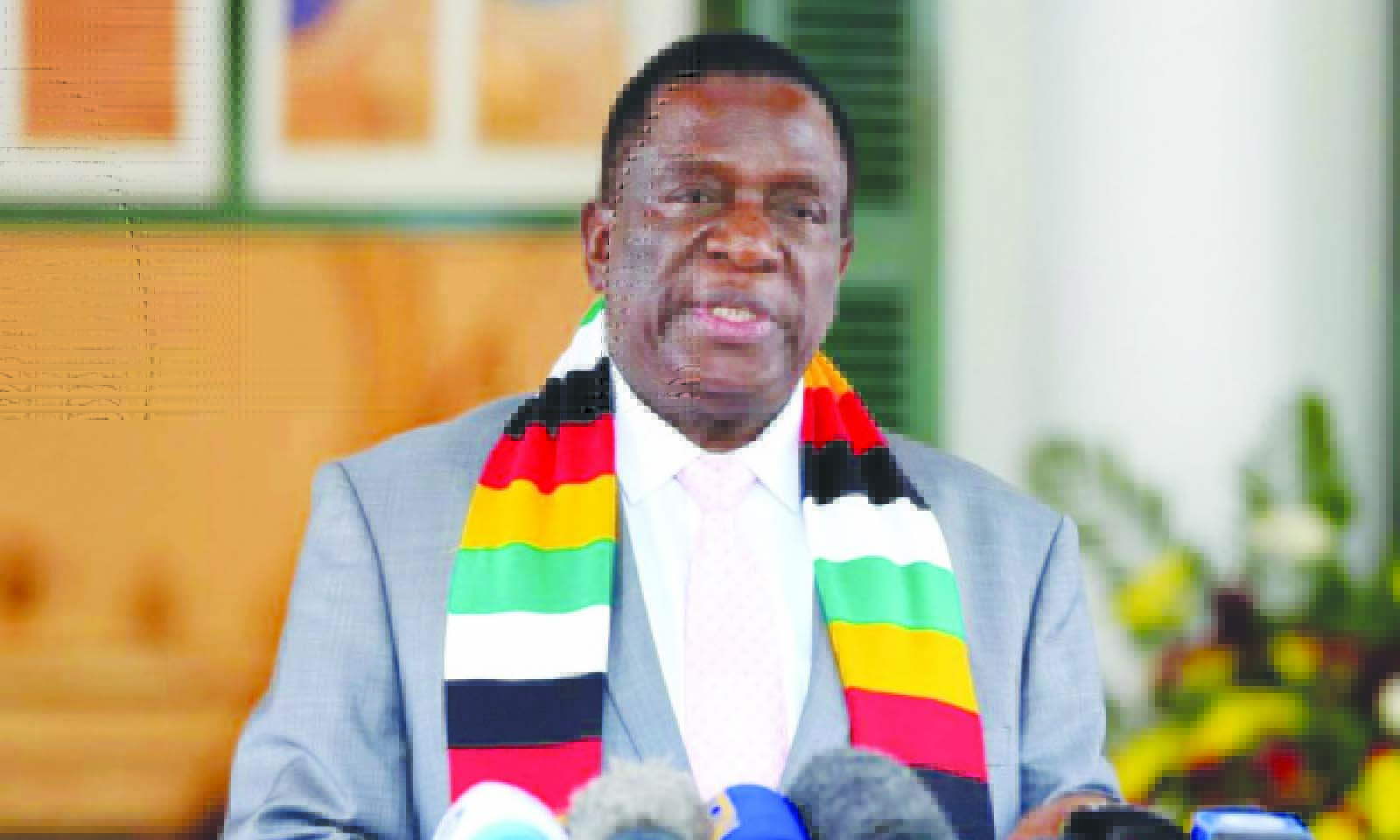
THE recent Victory Day celebrations in Moscow were a striking reminder of Russia’s military prowess and its historical significance. As thousands of troops paraded through Red Square, the presence of global leaders, including President Mnangagwa, underscored the geopolitical alliances and the continuing influence of Russia on the world stage.
This year’s commemoration, marking the 80th anniversary of the Soviet Union’s victory over Nazi Germany, was particularly poignant. It served not only as a tribute to the millions who lost their lives during World War II but also as a display of national pride and unity.
The participation of allied nations in the parade reflected a concerted effort to project strength and solidarity amidst ongoing global tensions.
The impressive array of military hardware — from historical tanks like the T-34 to modern missile systems — showed that Russia is not only honouring its past but also positioning itself as a formidable power in contemporary geopolitics. The inclusion of advanced drones and ballistic missiles hints at an evolving military strategy aimed at safeguarding national interests in an increasingly complex security environment.
Moreover, this event also highlights the delicate balance of power in international relations. The presence of leaders like China’s President Xi Jinping, alongside those from various allied nations, signals a noteworthy alignment against Western influence and a shared interest in a multipolar world.
Victory Day can be seen as more than a military showcase; it is a calculated message of unity and strength that reverberates beyond Russia’s borders. It reminds us of the enduring impacts of history on current affairs and how nations commemorate pivotal events to both honour the past and assert their standing in the present.
As global dynamics continue to shift, such displays will likely play a crucial role in shaping perceptions and alliances in the years to come.
The parallels between Russia’s Victory Day celebrations and Zimbabwe’s commemorative events concerning its struggle against colonisation are striking and speak to the universal themes of sacrifice, resilience, and national identity.
Both nations dedicate significant effort to honour their histories and the sacrifices made in the face of adversity. In Russia, the Victory Day parade commemorates the courageous efforts of those who fought against Nazi Germany, ultimately resulting in a significant turning point in World War II. Similarly, Zimbabwe’s celebrations of its liberation struggle highlight the bravery and determination of those who fought against colonial rule and fought for independence.
Both events serve as powerful reminders of the costs associated with achieving sovereignty and the pride that comes from overcoming oppression.
In Zimbabwe, the liberation struggle is a cornerstone of the national narrative, teaching new generations about the importance of resilience and the fight for freedom. This mirrors the Russian narrative surrounding the Great Patriotic War, which emphasises collective sacrifice and national unity against a common enemy.
Ultimately, these commemorations serve as vital reminders of the enduring spirit of nations that have persevered through historical struggles, drawing strength from their shared pasts as they navigate the complexities of the present and future.