Online Reporter
Zimbabwe was once again plunged into mourning on Tuesday when a Rural Infrastructure Development Authority (Rida) passenger ferry capsized near Long Island on Lake Kariba, resulting in the death of several people.
A total of 44 people had been confirmed dead by Wednesday night, while 77 people had been rescued.
The ferry accident occurred just less than two weeks after a Munhenzva bus accident in South Africa claimed 11 lives of Zimbabweans who were on their way home.
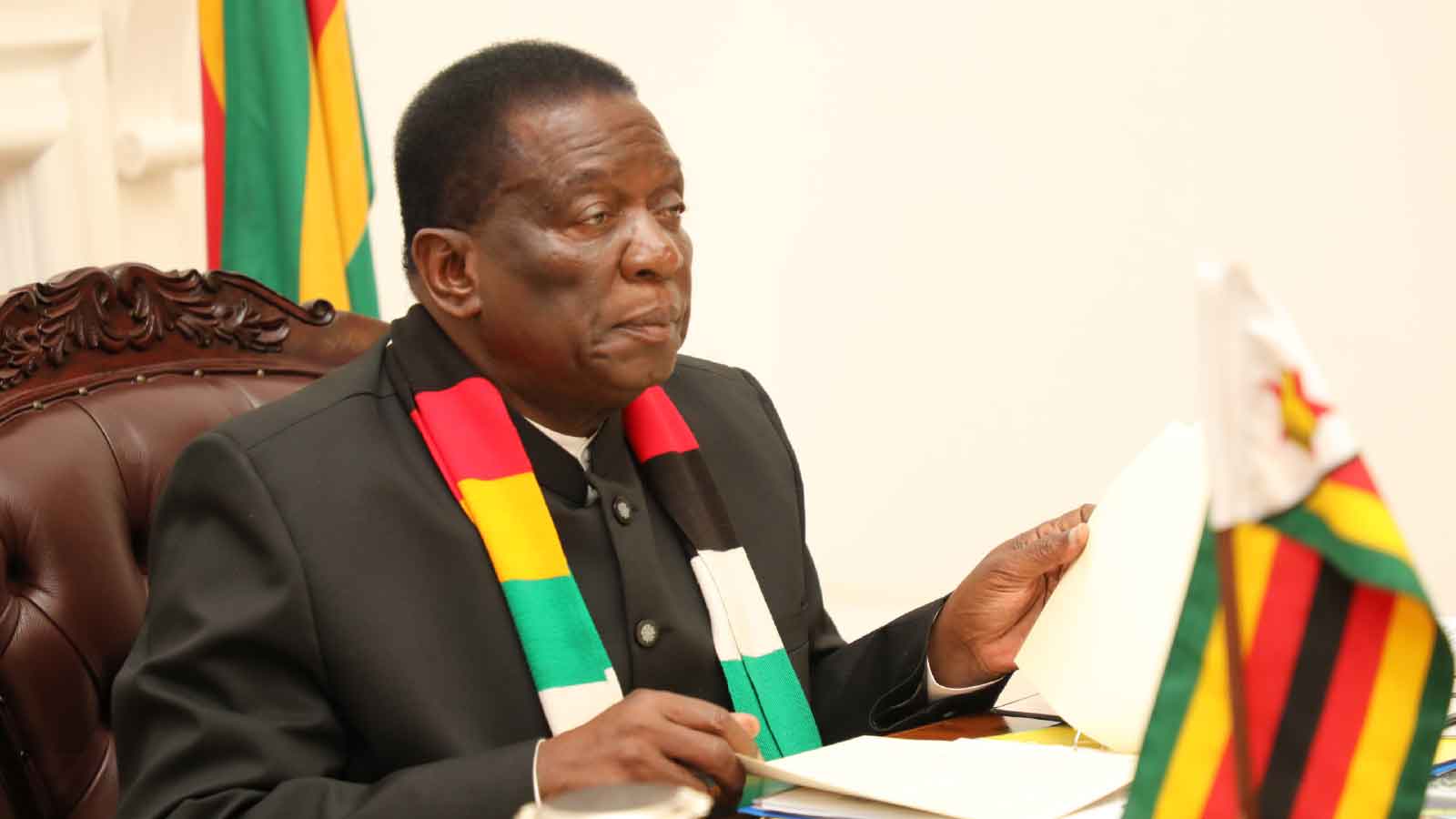
President Mnangagwa has declared both accidents a State of Disaster to enable the Government to mobilise the required resources and take extraordinary measures to assist affected families.
The Kariba ferry was carrying 119 people, made up of 114 adult passengers and five crew members, as well as children, whose figure is yet to be confirmed.
In a statement, President Mnangagwa said he was deeply saddened by the Lake Kariba tragedy and expressed his deep condolences to the affected families.
“I am deeply saddened by the tragic boat accident on Lake Kariba on Tuesday, which has claimed 44 compatriots. On behalf of the Government and the nation, I extend our deepest condolences to the grieving families,” he said.
President Mnangagwa has since ordered an immediate overhaul of the country’s maritime safety systems to ensure the country’s waters are safe.
The Kariba accident was the result of strong winds locally known as Binga Wave, and according to passengers who survived the accident, strong winds were already whipping across the lake before the vessel left the harbour.
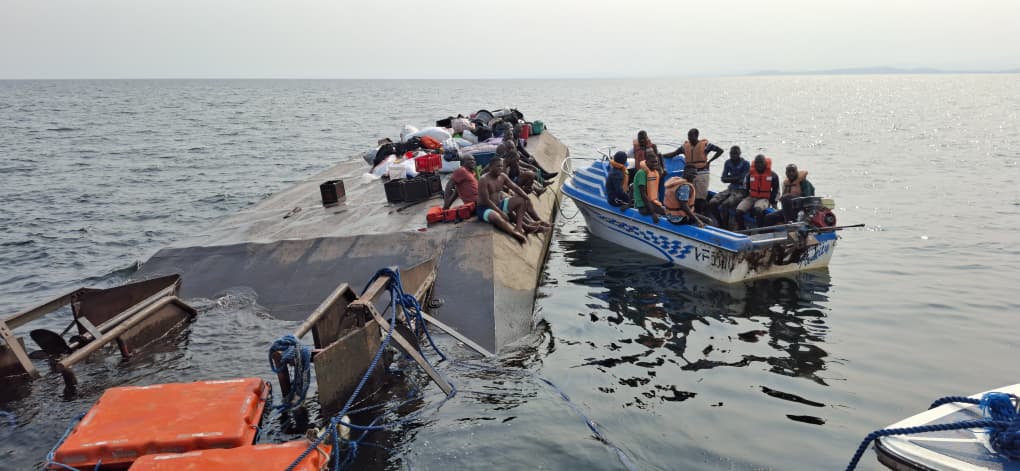
The passengers said they pleaded with the captain not to proceed with the journey given the weather conditions, but he ignored them and instead prayed for journey mercies.
The Kariba accident should be a wake-up call for maritime safety agencies and security forces who should, without delay, comply with President Mnangagwa’s directive to overhaul the safety systems.
We appreciate the fact that at times accidents are unavoidable, especially if there is a sudden change in weather conditions, but this was not the case in this particular accident.
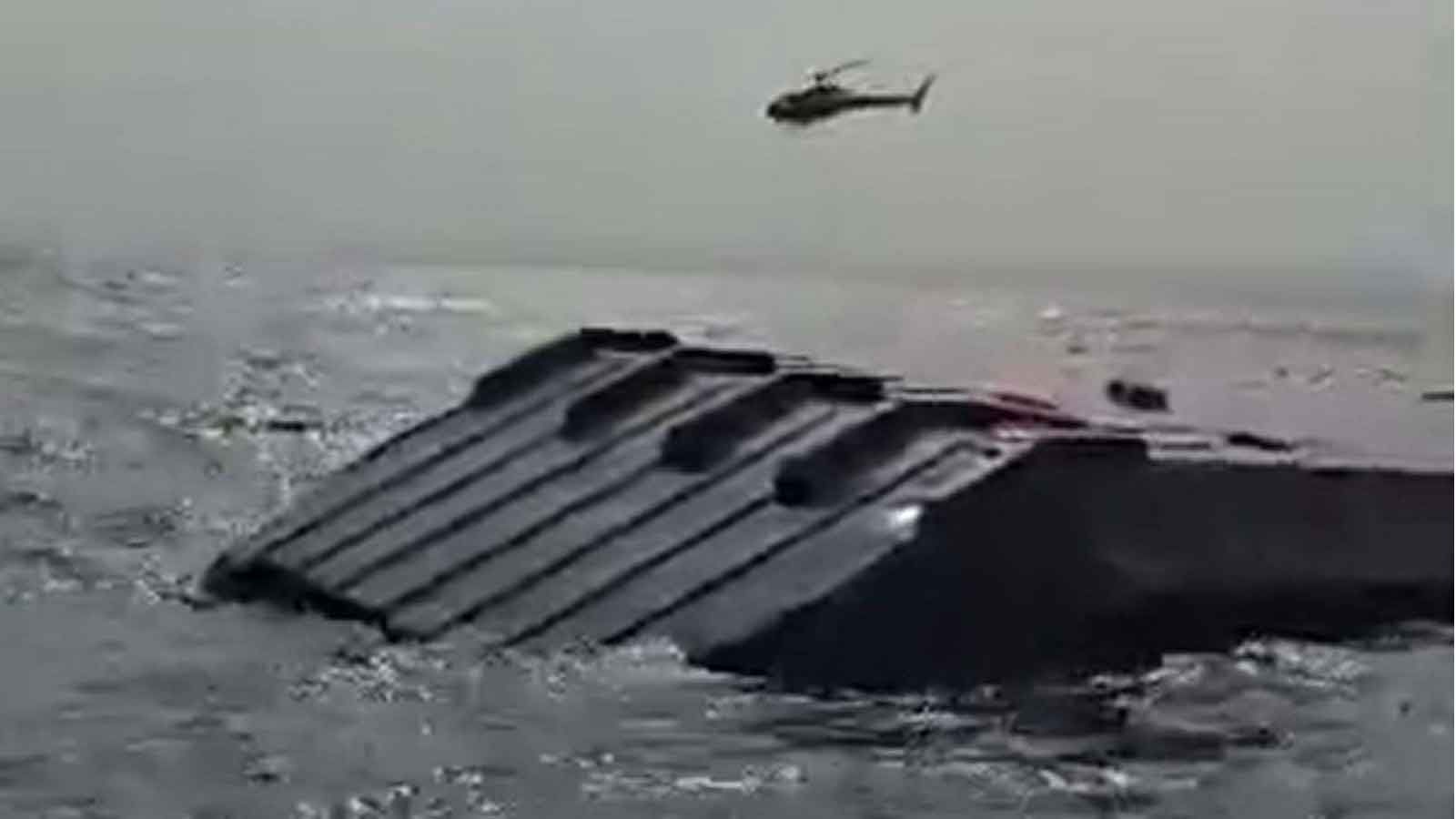
The strong winds were witnessed before the ferry left the harbour, and authorities should have postponed the journey as requested by the passengers.
The enforcement of safety regulations seems to have been lax, from what the survivors were saying, and this is an area that should be looked into urgently.
There is a need for a tight system to control the number of people boarding the ferry and the luggage to avoid overloading.
It is a fact that had the necessary safety measures been enforced, like ensuring that all passengers had life jackets, the number of deaths could have been minimised.
We want to once again call on authorities to immediately address the deficiencies in our maritime capabilities, including the condition of ferries on our waters.