THE move by Sandawana Mine to finance the upgrading of the 53km road linking its operations to York Business Centre in Mberengwa is a welcome example of how corporate investment can help address infrastructure challenges across the country.
At a time when the Government faces considerable financial constraints in rehabilitating the country’s deteriorating road network, the involvement of companies benefiting from public infrastructure deserves encouragement.
Sandawana has demonstrated that businesses need not always wait for the Government to provide solutions to problems directly affecting their operations.
Rather than spend years appealing for the rehabilitation of the road, the mine has taken the initiative, contracting Fossil, Shumba Mhazi and Masimba Construction to undertake the work.
Each contractor has been allocated approximately 17.3km, while Masimba will also rehabilitate Mutsime Bridge.
This proactive approach is commendable and should serve as an example to other mining companies and major businesses operating in areas with inadequate infrastructure.
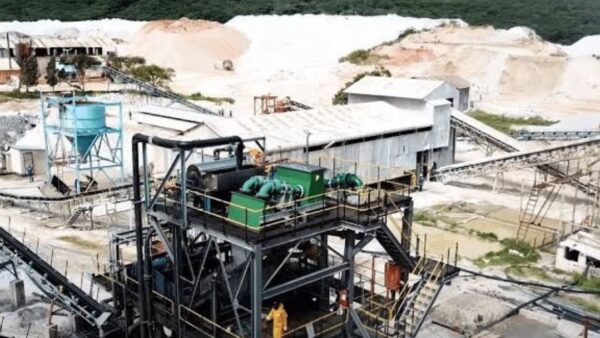
The road will provide an all-weather connection between Sandawana and the tarred Zvishavane-York Business Centre Road, significantly improving access to the mine’s $430mn lithium processing plant.
For Sandawana, the economic benefits are considerable.
Improved road conditions should reduce vehicle maintenance costs, shorten delivery times and facilitate the movement of machinery, raw materials, workers and processed minerals.
Reliable transport infrastructure is particularly important for a mining operation investing heavily in mineral beneficiation, where logistical bottlenecks can undermine competitiveness.
However, the benefits will extend well beyond the mine.
Communities along the route will enjoy improved access to schools, clinics, markets and other essential services. Farmers and small businesses should find it easier to transport their produce and merchandise.
Already, new lodges and filling stations are being developed in anticipation of increased traffic and commercial activity.
The construction project has also created employment for 93 local people.
Mberengwa District Development Coordinator Vafios Hlabati captured the broader significance of the investment.
“The new road is therefore expected to improve the movement of minerals from mines, reduce transport challenges and create a more favourable environment for investment and businesses along the corridor,” he said.
Zimbabwe has extensive infrastructure requirements that cannot realistically be financed through Treasury resources alone.
This makes greater corporate participation, including properly structured public-private partnerships, essential to accelerating road rehabilitation and construction.
Mining companies, agricultural exporters, manufacturers and other businesses that depend heavily on roads should consider similar investments wherever commercially feasible.
Such arrangements must, however, complement rather than replace the Government’s responsibility to develop and maintain public infrastructure.
There must also be clear arrangements for road maintenance, quality standards and continued public access.
Sandawana’s initiative demonstrates that infrastructure development can simultaneously serve commercial interests and improve community welfare.
The important lesson is that businesses should not merely complain about poor infrastructure when they have the capacity to help improve it.
Sandawana deserves recognition for choosing action over endless appeals.
Other companies should follow its example.