Langalakhe Mabena, [email protected]
THE inaugural KUZANA Sport and Creative Economy Expo Zimbabwe (SCEEZ) has put the spotlight on the need to transform Zimbabwe’s vast creative talent into a commercially viable industry capable of contributing meaningfully to the country’s economy and Vision 2030.
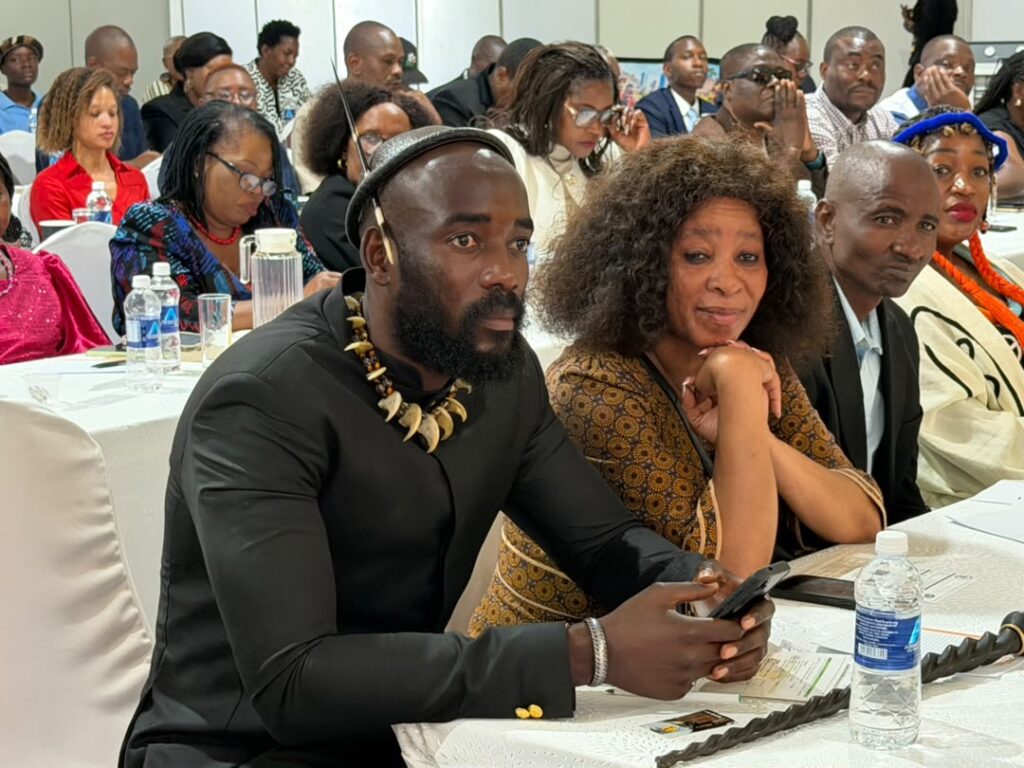
The Creative Economy Conference, held yesterday at the Zimbabwe International Exhibition Centre (ZIEC) in Bulawayo, brought together Government officials, creatives, cultural practitioners, investors, development partners and business leaders to explore ways of transforming music, film, fashion, visual and performing arts, digital content, cultural heritage and other creative enterprises into sustainable businesses.
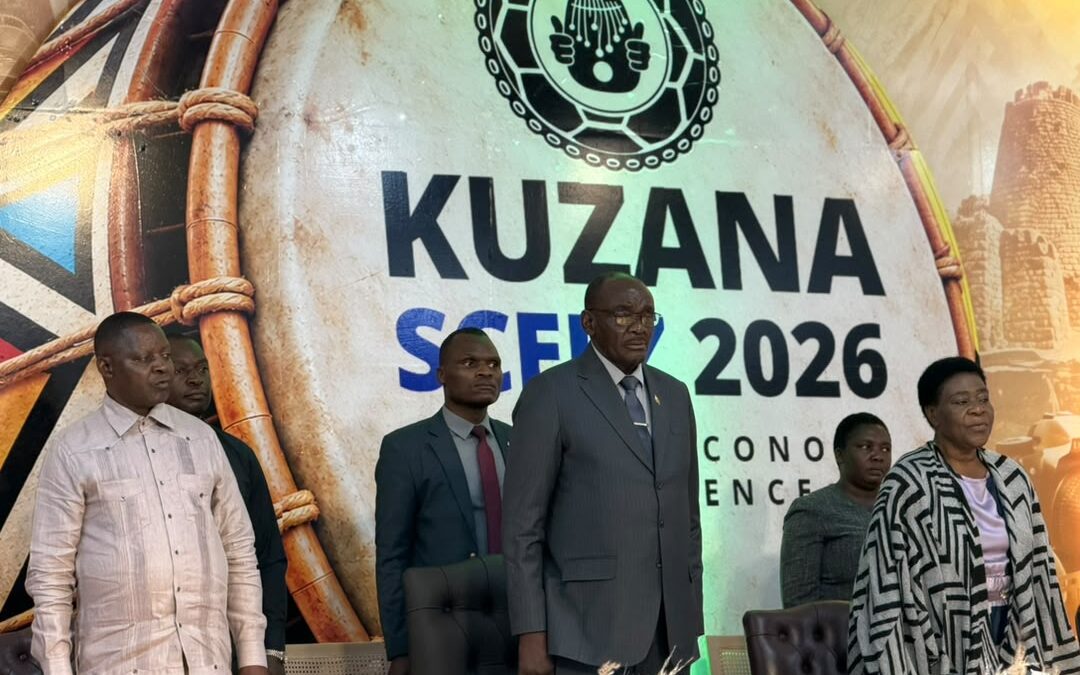
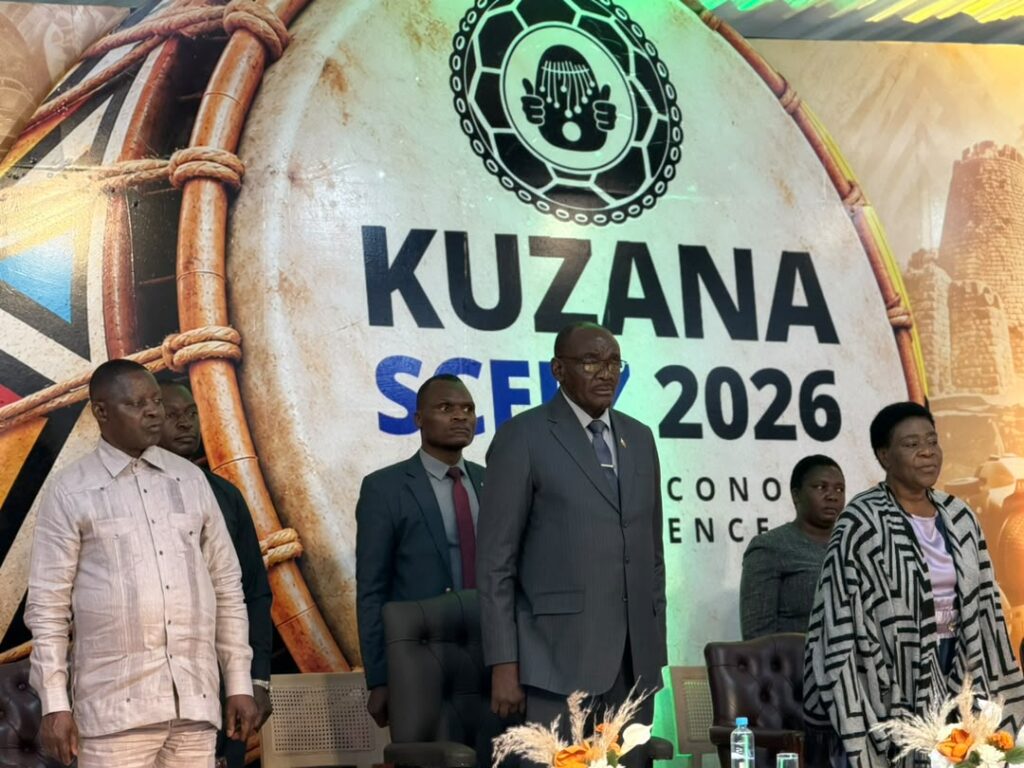
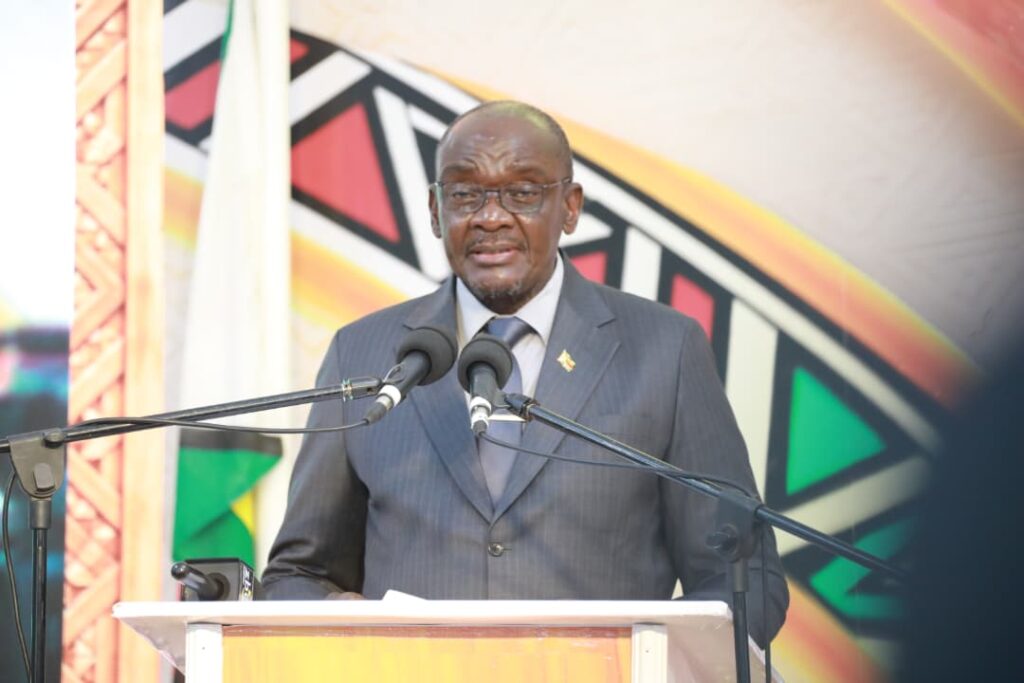
The conference was held under the broader KUZANA theme, “Towards Vision 2030 through Sport and Creative Industries”, and was officially opened by Vice-President Kembo Mohadi.
VP Mohadi said Zimbabwe could no longer afford to view culture and creativity merely as expressions of identity, arguing that the sector had become an important economic asset.
He described the conference as more than a gathering of artistes and cultural practitioners, saying it demonstrated Government’s recognition that creativity, talent and innovation must be nurtured, protected and commercialised.
“Culture is not just an expression of identity. It is a lucrative industry and a critical driver of our economic transformation agenda.
“This Expo is not merely an exhibition. It is a strategic declaration that the Second Republic is deliberately positioning creative industries as an important pillar of national development.
“I challenge stakeholders to move beyond discussions and produce practical outcomes, implementable actions and measurable targets. Let this not be another conference whose recommendations remain on paper. Let us establish partnerships that can be implemented,” he said.
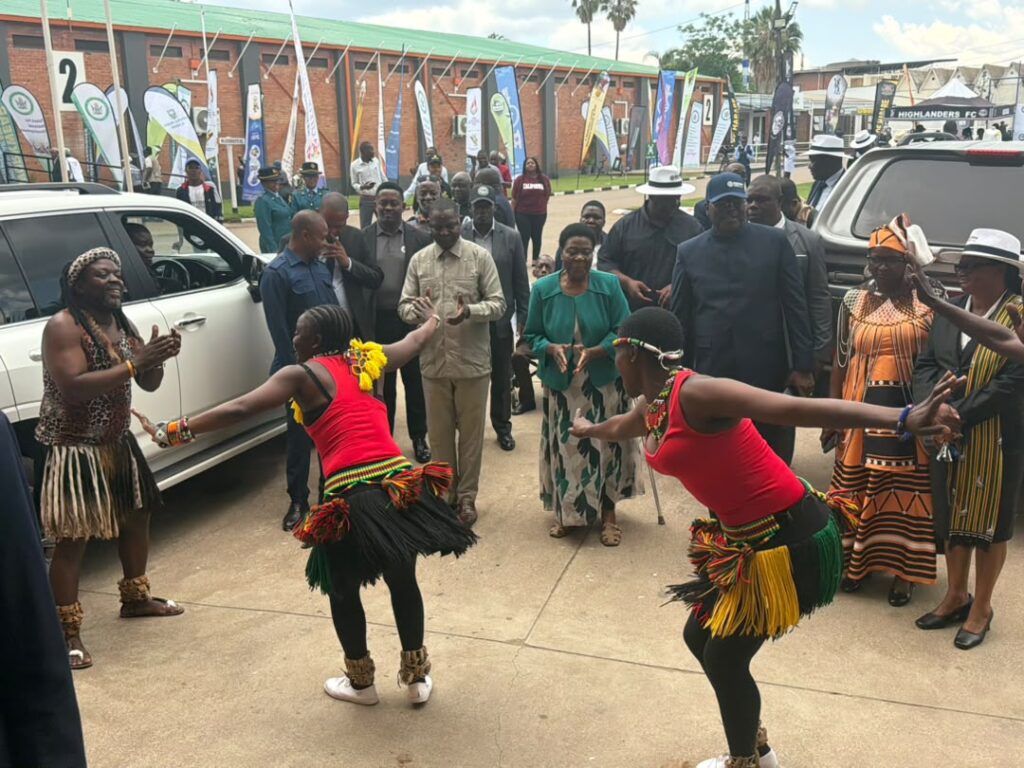
Minister of State for Bulawayo Provincial Affairs and Devolution Judith Ncube echoed the call for unity among creatives, urging practitioners to put aside their differences and work collectively towards building a profitable local industry.
“The Creative Economy Conference must be used to unite us as we put aside our differences and focus on one goal, which is to make our local arts industry profitable in line with the country’s Vision 2030,” she said.
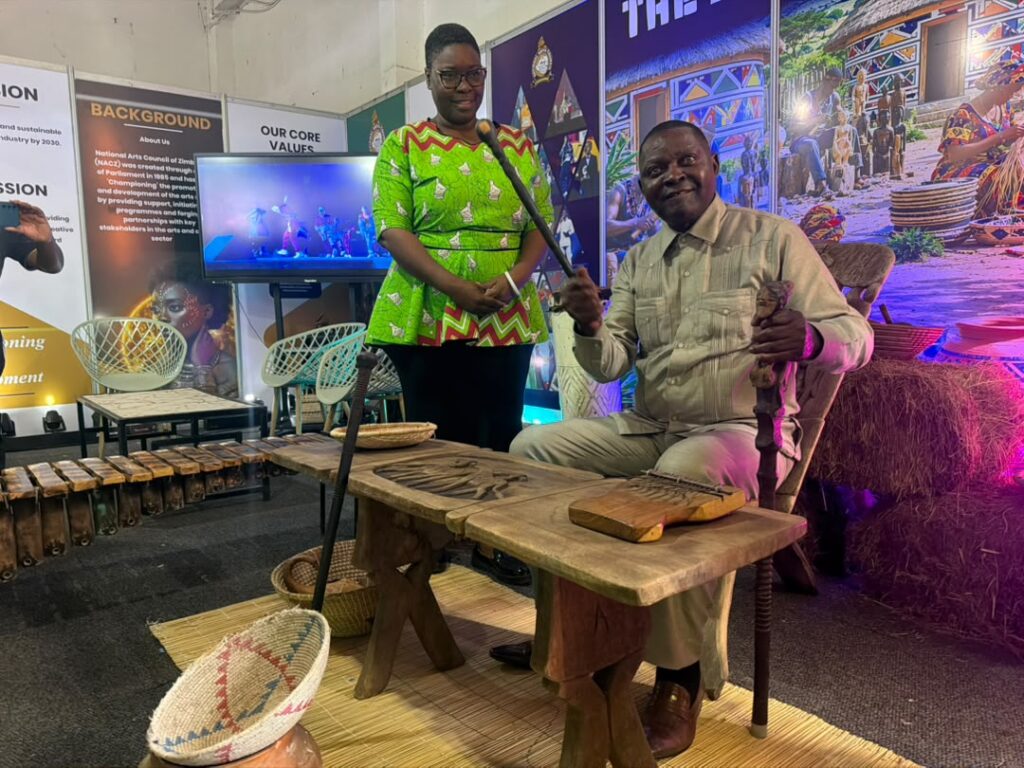
Minister Ncube also highlighted the role of creatives in preserving Zimbabwe’s history, culture and heritage, saying artistic productions remained an important vehicle for promoting national identity.
Minister of Sport, Recreation, Arts and Culture Lieutenant-General (Retired) Anselem Sanyatwe called on stakeholders in the creative and sports sectors to use the KUZANA SCEEZ conference as a platform for forging meaningful collaborations and developing practical solutions to drive the growth and profitability of the industries.
Minister Sanyatwe said talent should be transformed into viable enterprises, while culture should be recognised as an innovative and valuable economic asset.
“I call upon all delegates to treat this conference not as a talk shop, but as a seminar where we strengthen connections and collaborations to achieve our vision of making the creative and sports industries profitable, in line with Vision 2030.
“It’s time for our creatives to walk the talk and put ideas into reality as we work together to make the creative industry profitable and sustainable,” said Minister Sanyatwe.
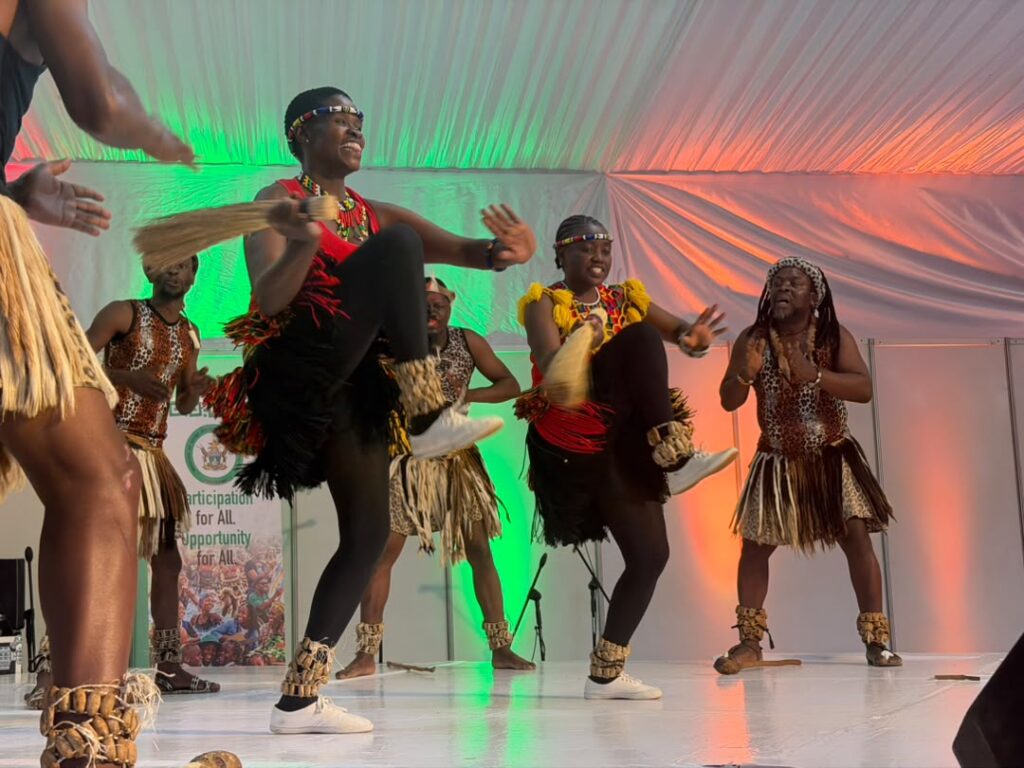
Iyasa founder and director Nkululeko Dube said he was excited to be part of the KUZANA exhibitors, describing the expo as an important platform for demonstrating the economic value of the creative sector.
Dube said the expo provided creatives with an opportunity to move beyond showcasing talent and demonstrate how the sector could contribute to the country’s economic growth.
“We are proud to be here at the KUZANA Expo. It is a momentous occasion and an important event for our city. It is rare to have an event where creativity is recognised as an economy, bringing together creatives to showcase their work, share ideas and demonstrate the business side of the creative sector,” he said.
Dube said the event would go a long way in helping to change perceptions about the creative industry, which is often viewed mainly from an entertainment perspective.
He said the group’s presence at the expo had also allowed it to reconnect with people who had followed its journey over the years while introducing its work and history to younger generations.
Chief Mbusi Dakamela of Nkayi brought a cultural and community-development perspective to the discussions, drawing from the experience of the Imiklomelo kaDakamela Cultural Festival.
The festival has grown into a platform that brings together artistes, cultural practitioners, businesses and communities while promoting heritage, tourism and creative enterprise in Matabeleland North.
Dakamela’s contribution reinforced the argument that culture can become an economic resource when communities are able to package their heritage into festivals, tourism products, creative works and business opportunities.