Chronicle Editor
Faced with rising Covid-19 cases, particularly community-acquired infections coupled with growing non-adherence to preventive measures, the Government had to tighten the lockdown on Tuesday.
On the day when President Mnangagwa announced the new measures, the country had recorded 1 713 Covid-19 cases, a jump from 985 last week. The national death toll was at 26. On that day and for the first time since the outbreak was declared on March 20, the country recorded more local transmissions than imported ones. Local transmissions stood at 872 while imported cases were at 841 with most of the local cases being reported at workplaces. By late yesterday, the positive cases had jumped to 1 820, including 488 recoveries while the deaths remained at 26.
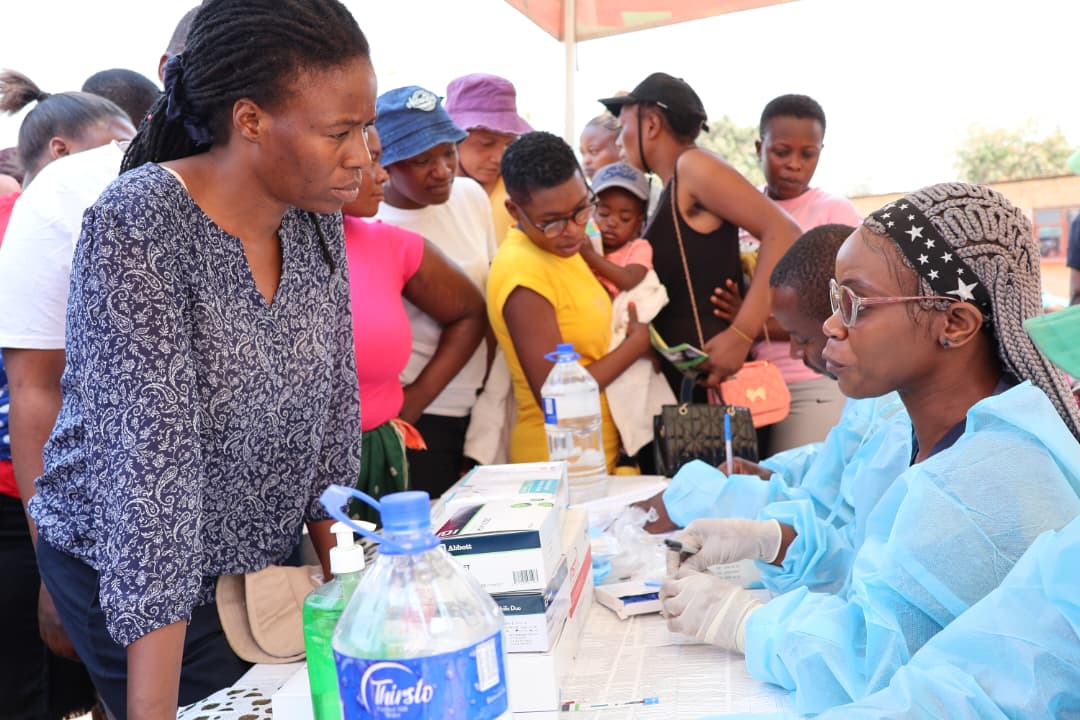
The number of infected people has continued to rise, so has the disregard of the lockdown by some people. Generally, most people across the country have been conducting themselves as if we were in the old, freer normal, not the new one that has been inhibited by Covid-19. They have been crowding in central business districts of towns and cities and at rural business centres, ignoring social distancing. They aren’t wearing face masks while in public spaces. The recklessness has been so widespread that some, especially in Bulawayo, had started running and patronising shebeens, including in suburbs where there were none before Covid-19.
These are the infractions that we can see, and whether the people are still washing their hands thoroughly with soap when they are in their homes or workplaces is anybody’s guess.
Therefore, all these points taken together mandated the President to upgrade the national response to Covid-19.
“Accordingly,” he said on Tuesday, “Government has decided on the following measures which take full effect from tomorrow, Wednesday 22 July 2020, until further review and notice: All non-working sections of our population will be required to stay at home; except for purposes of securing food, water and health services. Where travel and social contact becomes essential and inevitable, every Zimbabwean should and must uphold the four requirements set out by the World Health Organisation, which are: a) wearing masks or equivalent protective materials; b) observing strict standards of hygiene, including the washing of hands or use of sanitisers; c) mandatory screening in all public places and buildings and social distancing in all public places and at all times. As of tomorrow Wednesday 22 July 2020, all our security services must enforce a dusk-to-dawn curfew set to come into force daily between 6pm and 6am. Only essential services are exempt from this curfew.”
Citizens must recognise that in taking this big decision, the Government wants to protect them from a big threat to their health and lives. Covid-19 is real. It is a devastating infection that sickens and kills; that is sickening and killing millions across the globe, including in countries with the best health care institutions and services.
Zimbabweans should not think they are immune to it which is why we have 1 820 people infected and 26 who have lost their lives. We therefore must uphold the measures that the President outlined so that infections can be contained.
We were a bit unhappy with the situation for the greater part of yesterday in Bulawayo. The city centre had throngs of people and traffic was flowing like normal. Yes we were unhappy that on the day when the tighter measures were supposed to take effect, we had so much traffic in the city centre but our unhappiness is assuaged by the fact that perhaps people were buying food to stock up for the long period they will spend at home.
It would be unwise of them to keep crowding the city from today onwards.
The security sector is urged to toughen their tactics now as we witnessed in the first two weeks of the first phase of the lockdown from March 30. It is best for them to use checkpoints in the suburbs and approach roads to city centres to prevent gallivanters from sneaking through. It will be more difficult, even needlessly dramatic, having to disperse them when they are already in city centres. Only those with the prescribed documentation, those genuinely seeking food and health services and medicines can be left to proceed. But since some of these services and products can be accessed at shopping centres in the suburbs, we expect a more robust application of the law at the checkpoints.


 Online Reporter