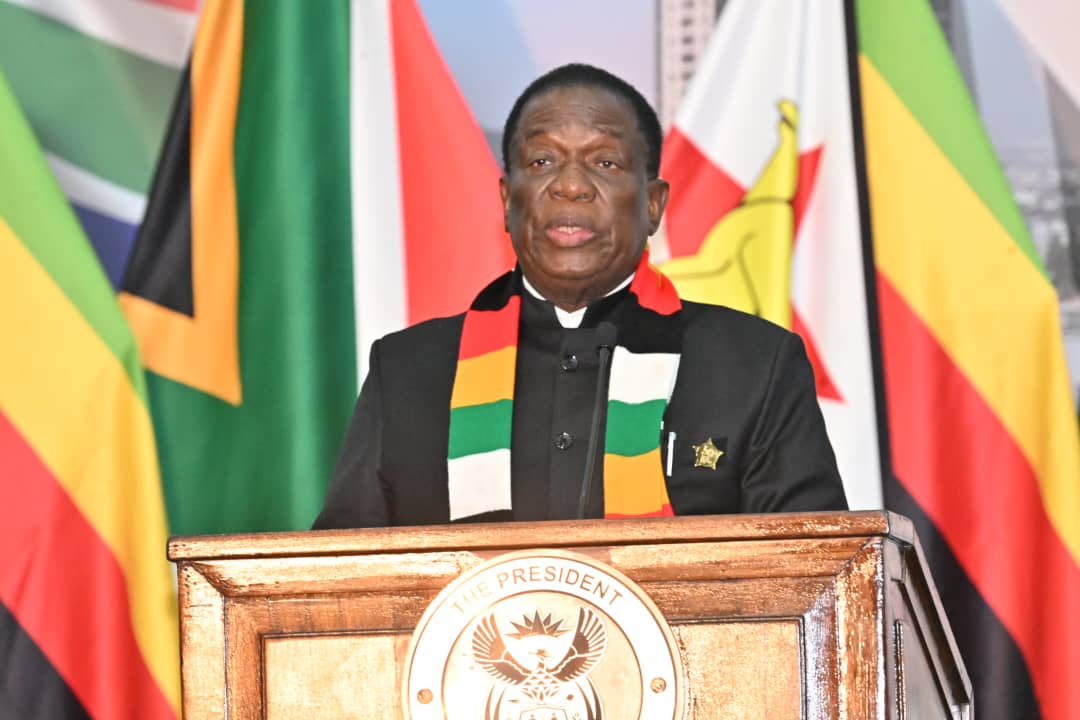
In an era marked by shifting geopolitical landscapes, the renewed commitment between Zimbabwe and South Africa to preserve their shared history and deepen bilateral relations is both timely and inspiring.
President Mnangagwa’s announcement of Zimbabwe’s readiness to facilitate the second phase of exhumation and repatriation of South African liberation fighters who died in exile in Zimbabwe symbolizes more than just a gesture of respect; it signifies a profound acknowledgment of the intertwined destinies of these two nations and their peoples.
This development offers an opportunity to reflect on the importance of historical memory, Pan-African solidarity, and the need to translate shared history into tangible progress for the future.
Zimbabwe and South Africa’s relationship is rooted in a common struggle against colonialism and apartheid, and this shared history continues to serve as the bedrock of their current diplomatic and cultural engagements.
President Mnangagwa’s emphasis on the “shared history, solidarity, geography and enduring people-to-people ties” underscores the importance of collective memory in shaping contemporary relations. The recent repatriation ceremonies, which saw Zimbabwe returning remains of South African liberation stalwarts and artifacts, are acts of honouring those who sacrificed their lives for freedom.
Such gestures reinforce a Pan-African ethos — an understanding that the liberation of one nation is intrinsically linked to the liberation of the continent as a whole.
South Africa’s acknowledgment of Zimbabwe’s sacrifices during its own struggle for liberation further cements this bond. President Cyril Ramaphosa’s recognition of Zimbabwe’s role in sheltering and supporting South African exiles exemplifies the mutual respect that underpins their relationship.
These acts of remembrance are vital not only for honouring the past but also for fostering a sense of shared destiny, resilience, and collective responsibility that must inform their future collaborations.
The repatriation of ancestral remains and artifacts is more than a symbolic act; it is a recognition of the importance of cultural restitution and historical justice. The return of the Zimbabwe Bird, a symbol of Zimbabwe’s ancient civilisation, along with ancestral human remains and wartime photographs, signifies a reclaiming of identity and heritage that colonialism and apartheid sought to distort or erase.
Similarly, Zimbabwe’s return of South African remains exemplifies a reciprocal process of healing and reconciliation.
This cultural exchange underscores the importance of preserving and curating a shared history that reflects the struggles, sacrifices, and triumphs of the continent’s peoples.
The proposed Museum of African Liberation, which invites South Africa’s participation, is an excellent platform to showcase the continent’s collective journey to freedom. It serves as an educational resource for future generations and a reminder of the resilience and heroism that define Africa’s liberation narrative.
While acts of remembrance and cultural restitution are essential, they must be complemented by concrete actions that translate shared history into economic and developmental progress. The six agreements signed during the Zimbabwe-South Africa Bi-National Commission — covering diplomacy, agriculture, arts and heritage, women’s empowerment, and correctional services — signal a comprehensive approach to bilateral cooperation.
These agreements aim to deepen institutional ties, foster economic growth, and promote social empowerment, moving beyond traditional diplomatic engagement into tangible development outcomes.
President Mnangagwa’s call for joint investment, research, and innovation highlights a strategic shift towards economic diplomacy. Zimbabwe’s recent policy reforms and its emergence as an attractive investment destination open new avenues for partnership. The business forum that brought together 250 leaders from both countries exemplifies a proactive effort to move beyond mere trade exchanges to high-impact projects that can create jobs, stimulate industrialisation, and add value to regional supply chains.
The relationship between Zimbabwe and South Africa exemplifies the potential for shared history to serve as a foundation for regional integration and continental development. The shared sacrifices during the liberation struggles foster a sense of unity and common purpose that can be harnessed to address contemporary challenges.
As the continent continues to navigate complex challenges, the example set by Zimbabwe and South Africa demonstrates that history and memory are not just tools for remembrance but also catalysts for action.
By transforming shared sacrifices into joint development initiatives, these nations can reinforce their bonds, inspire future generations, and contribute meaningfully to Africa’s renaissance. The journey toward continental unity and development is long, but with shared history as a foundation and deliberate action as a guide, Zimbabwe and South Africa are forging a path worth following.