THE Government’s decision to phase out the universal Zimbabwe School Examinations Council (Zimsec) examination fee subsidy by 2028 marks an important shift in education financing, recognising that assistance introduced during a national economic emergency must evolve with changing circumstances.
The subsidy was introduced in 2020 when the Covid-19 pandemic was disrupting economic activity, destroying livelihoods and placing enormous financial pressure on households. Many parents were struggling to provide for their families, let alone pay examination fees.
Authorities intervened by paying 53% of examination fees, leaving parents and guardians to cover the remaining 47%. The Government contribution was increased to 55% in 2021, further easing the burden on families.
This intervention served an important social purpose. It helped cushion households against extraordinary economic difficulties and reduced the risk of children missing national examinations because their parents could not afford the fees.
At the time, broad assistance was understandable because the economic disruption was widespread and immediate.
Six years later, however, the circumstances that justified the intervention have changed. The pandemic is over, and Government must balance expenditure on education against competing demands for public resources.
The decision to review the subsidy therefore raises a legitimate question: Why should taxpayers continue subsidising examination fees for children whose parents can comfortably afford to pay?
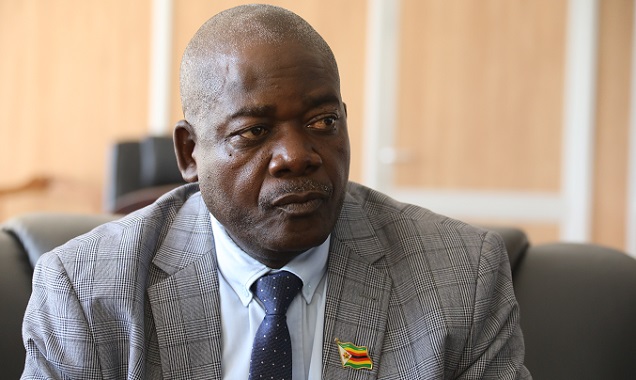
As Information, Publicity and Broadcasting Services Minister Dr Zhemu Soda explained following Tuesday’s Cabinet meeting, the universal subsidy does not adequately distinguish between vulnerable learners who genuinely require assistance and those whose households can meet examination costs independently.
The Government has consequently adopted a phased approach. In 2027, pupils attending designated rural primary and secondary schools, satellite schools and those benefitting from the Basic
Education Assistance Module (BEAM) will continue receiving support.
From 2028, the subsidy will be restricted to BEAM beneficiaries.
The economic rationale is straightforward. Public resources are finite, and money spent subsidising relatively comfortable households is money that could otherwise assist children facing genuine financial hardship.
Nevertheless, withdrawing universal assistance must not translate into excluding deserving learners from national examinations.
The success of the new arrangement will depend heavily on the effectiveness of BEAM in identifying vulnerable children, including those whose parents have lost employment, informal-sector workers experiencing financial distress and orphans living with struggling guardians.
There must be transparent eligibility criteria, regular assessments and a straightforward mechanism through which excluded families can seek assistance.
Government must also ensure that funds are released promptly. A subsidy that exists on paper but arrives after examination registration deadlines offers little practical protection to disadvantaged learners.
The transition period provides an opportunity to strengthen these administrative arrangements and communicate the changes clearly to schools and parents.
Education remains one of Zimbabwe’s most important investments in its future. No deserving child should lose the opportunity to sit public examinations because of poverty.
The central principle should therefore be maintained: public assistance must reach those who need it most.
The universal subsidy served its purpose during an exceptionally difficult period. A carefully implemented, adequately funded and transparent targeted system can preserve that protection while making better use of limited national resources.