Online Reporter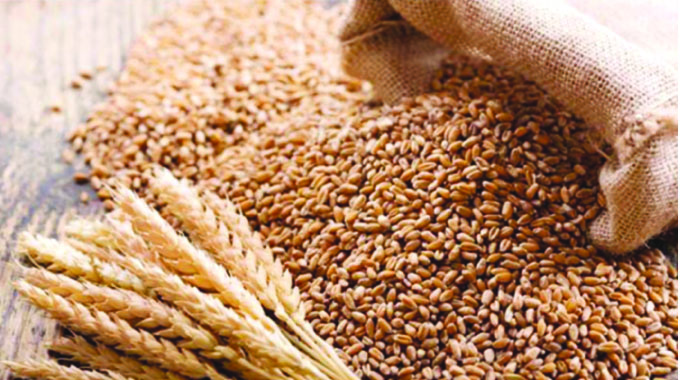
ZIMBABWE’S surge in wheat production is not just a triumph of the present — it is a springboard to an even greater future. The Second Republic has already shattered decades of doubt, moving the nation from chronic shortfalls to self-sufficiency and surplus.
From a modest 95 000 tonnes in 2019 to over 640 000 tonnes in 2025, this achievement is historic. It has silenced sceptics and restored confidence in Zimbabwe’s agricultural potential.
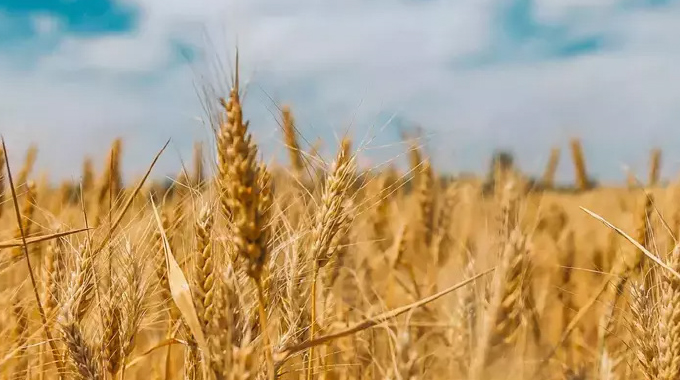
But the journey does not end here. The next big target — 1,5 million tonnes of wheat by 2030 — is bold, ambitious, and transformative. Achieving it will require more than celebration; it demands sustained effort, innovation, and unwavering commitment from all stakeholders.
The Second Republic has laid a strong foundation through deliberate policies: expanding irrigated land, mechanising production, introducing locally developed hard-wheat varieties, and mobilising financial and technical support. These interventions have insulated Zimbabwe from global shocks, strengthened food security, and positioned the country as a potential wheat exporter. Now, the challenge is to scale up these successes.
To reach 1,5 million tonnes by 2030, Zimbabwe must expand irrigation infrastructure, ensuring reliable water supply even in drought-prone regions. Climate-smart technologies will be critical to mitigate the impact of erratic weather patterns. Farmer training and extension services must be intensified to improve yields and adopt modern farming practices. Equally important is investment in mechanisation and post-harvest handling, reducing losses and improving quality for both domestic and export markets.
Value addition will also play a pivotal role. Increased wheat output should feed into milling, baking, and agro-processing industries, creating jobs and boosting rural economies. This aligns perfectly with Vision 2030 and the National Development Strategy 1 (NDS1), which prioritise food security and industrial growth.
Critics, who once dismissed these ambitions as unrealistic must now acknowledge the evidence: the Second Republic has delivered results and proven that progress is possible when vision meets action. The leap from 95 000 tonnes to 640 000 tonnes is not luck — it is leadership, planning and execution. If this momentum is maintained, Zimbabwe will not only meet its 2030 target but emerge as a regional wheat powerhouse.
Of course, challenges remain — pests, diseases, market volatility and climate risks. But with continued investment, strong partnerships, and the same determination that drove recent successes, Zimbabwe can turn its wheat story into one of continental leadership.
As we celebrate this achievement, let us commend the Second Republic for rewriting the narrative and proving detractors wrong. Wheat is no longer a tale of scarcity; it is a story of sovereignty, resilience and hope. The 2030 target is within reach — and with unity, innovation and resolve, Zimbabwe will get there.