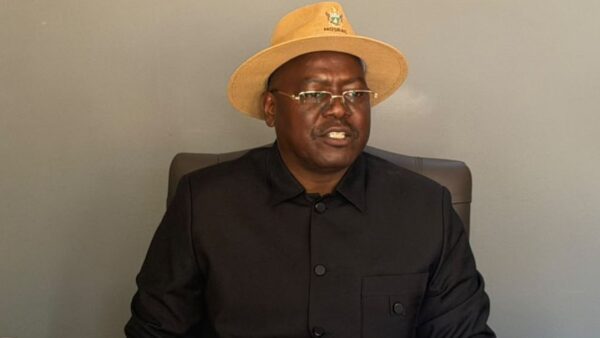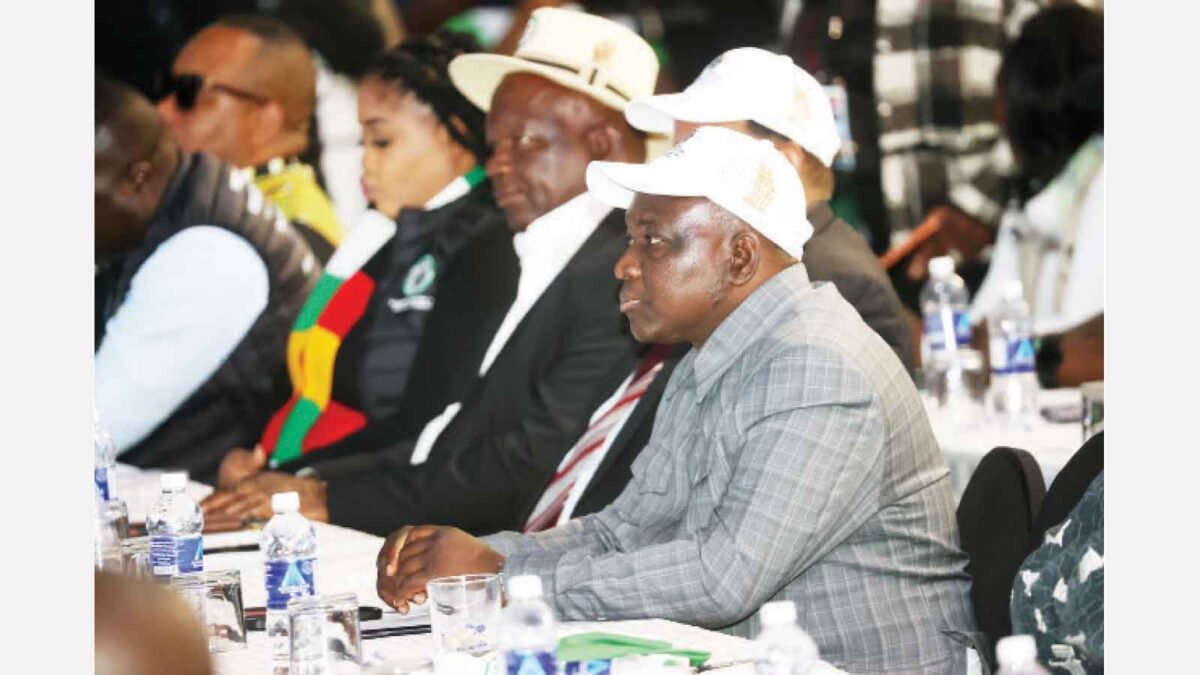
President Mnangagwa’s meeting with thousands of children of the country’s liberation war veterans in Harare was more than a gathering to honour the past. It was a reminder that every generation inherits both a country and a responsibility.
The central message — that the children of those who fought for national independence must now use their education, skills and energy to advance economic transformation — deserves reflection.
The liberation struggle was fought largely by young men and women who took enormous risks in pursuit of political freedom. Their sacrifices helped secure independence in 1980. But political independence was never meant to be the end of the national journey. It created the foundation on which Zimbabweans were expected to build a prosperous nation.
That task remains unfinished.
The circumstances have changed, but the need for courage and commitment has not. Today’s struggle is fought in classrooms, laboratories, farms, factories, businesses, workshops and public institutions. It is fought through innovation, productivity, entrepreneurship, ethical leadership and job creation.
President Mnangagwa captured that generational challenge when he told the descendants of liberation veterans:
“The baton has been passed to you. You too must make your own unique bold choices concerning your future and destiny.”
Education must be central to that effort. Zimbabwe cannot industrialise and modernise without skilled citizens capable of developing technologies, managing businesses, increasing agricultural production and solving national problems. Government support for scholarships, tertiary education and vocational training is important, but education must ultimately connect to opportunity.
The children of liberation veterans should not be viewed merely as beneficiaries of their parents’ history. They should be challenged to become contributors in their own right. A parent’s sacrifice can provide inspiration, but it cannot substitute for individual achievement.
The true meaning of legacy is not entitlement. It is responsibility.
Zimbabwe should therefore expect descendants of liberation veterans to distinguish themselves across productive sectors — as entrepreneurs, farmers, engineers, doctors, academics, manufacturers, miners, innovators and public servants.
As President Mnangagwa said, “hard honest work, production and productivity remain central cogs to the ongoing modernisation and industrialisation agenda.”
At the same time, Zimbabwe’s liberation history belongs to the entire nation.
Vision 2030 cannot be achieved by one group alone. It requires young people from every background, working alongside businesses, communities and institutions.
Organisations representing veterans’ children must provide credible platforms for skills development, entrepreneurship and engagement with Government and the private sector. But organisation alone will not deliver results. The ultimate test is what these young people produce.
Zimbabwe needs a generation that does not merely talk about industrialisation but builds factories; does not only discuss agriculture but produces; and does not simply demand employment but creates enterprises.
The liberation generation passed on a political baton. The task of the present generation is to carry it forward by turning freedom into prosperity.
That is how the liberation legacy will remain alive: not simply through remembrance, but through the quality of the Zimbabwe that the next generation helps to build.