Thupeyo Muleya [email protected]
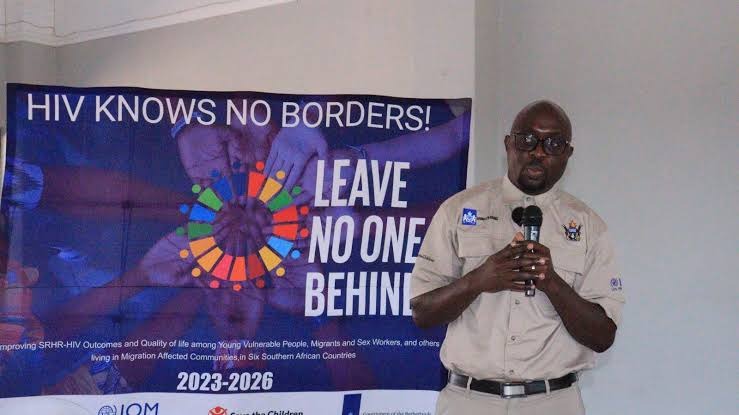
The Sexual and Reproductive Health and Rights – HIV Knows No Borders (SRHR-HIV KNB) project, which has been running in Beitbridge district since June 2023, has reached 79,917 people, with 8,341 accessing health services after referral.
The project, which closes on 31 December 2026, was implemented by the International Organization for Migration (IOM) in partnership with Save the Children and in close collaboration with government institutions, local authorities, civil society and community structures.
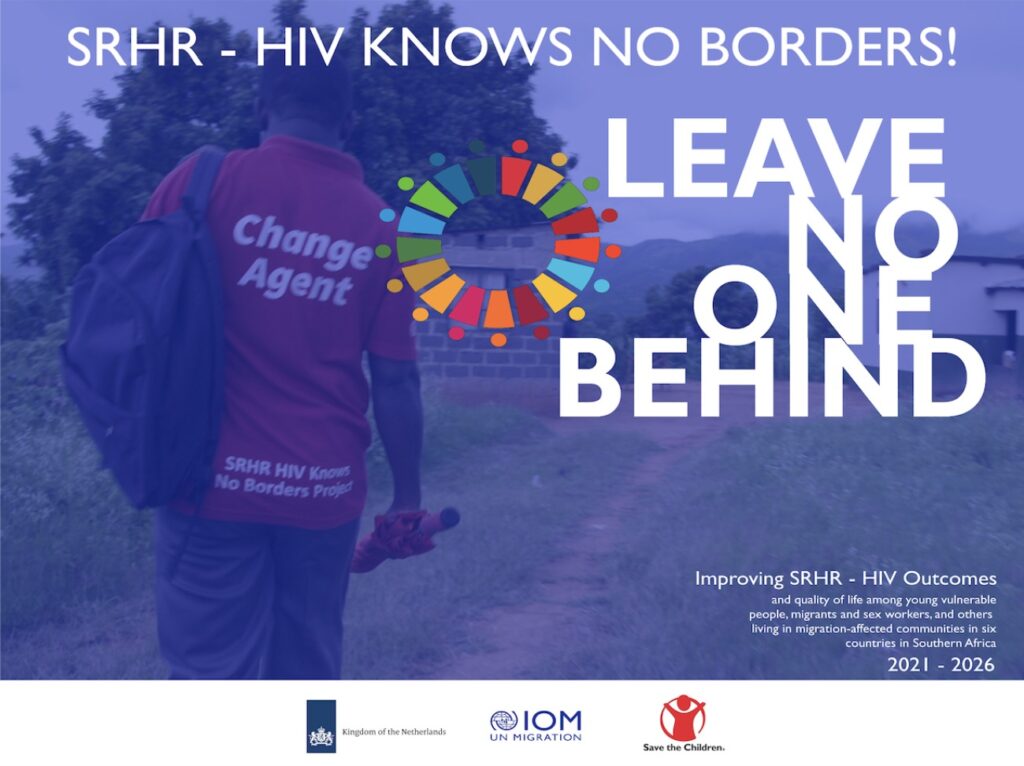
The Embassy of the Kingdom of the Netherlands in Maputo funded it as part of a regional initiative covering border and migration-affected communities in Eswatini, Malawi, Mozambique, South Africa, Zambia and Zimbabwe.
Presenting the project results during the evaluation meeting held in the border town on Friday, IOM National Programme Officer, Dr Nyasha Makova, said that during the period, the project reached 79,917 people.
“During the period, we reached out to 79,917 people and 10,507 were referred for health services and a total of 8,341 accessed the services, giving us a success rate of 79.4 percent,” he said.
“We trained 40 community behaviour change champions to lead programmes along the migration corridor. We also had mobile clinics to bring a host of sexual and reproductive health services. The manpower was supplied by the Ministry of Health and Child Care and partners.”
Dr Makova said the project discovered that some people were not accessing services due to the long distances to established primary health care facilities.
“It also emerged that fewer men accessed health services. We still have a challenge; men are not keen, and we need to get strategies to involve them,” He said.
“We are also working with Young Africa Zimbabwe, who managed to train a total of 286 vulnerable youth in various life skills and financial literacy, and most of those who graduated in February this year are not entrepreneurs, employed, or on the job like their peers.”
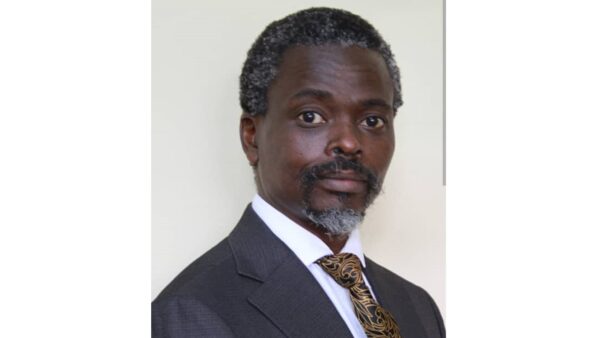
Municipality of Beitbridge Environment and Health Services Officer, Mr Pio Muchena, said the local authority was working on a number of measures to bring services closer to the people.
He said the town needs at least six clinics to serve an estimated population of over 60,000.
Mr Muchena said the local authority was on the verge of completing the Mabidi Clinic along the Bulawayo Road, which is expected to open its doors to the public early next year. The clinic was built through devolution funds.
Young Africa programme officer for Beitbridge, Mrs Percy Muleya, said that, for now, they were working with 150 youths, training them in various skills, and that the response was overwhelming during the course of the project and even after the graduation in February this year.
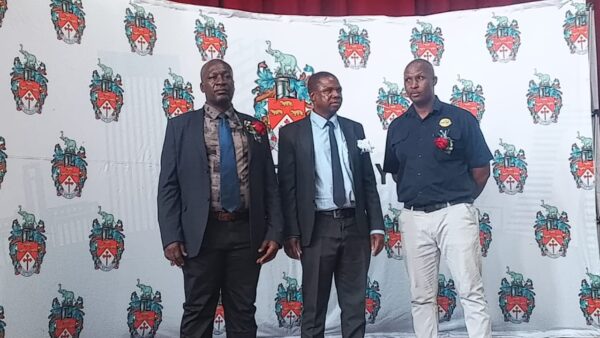
Speaking during the same meeting, Mr Gugu Moyo, who represented the Beitbridge District Development Coordinator, and Mrs Sikhangezile Mafu said the meeting was not only a formal conclusion to a project cycle, but an opportunity to reflect on experiences, consider remaining challenges and agree on practical measures to sustain priority interventions beyond closure.
“Closing a project should not mean closing the partnerships, referral pathways, community relationships and coordination mechanisms established during its implementation,” he said.
“Where approaches have demonstrated value, we should explore how they can be incorporated into routine government, community and partner systems rather than allowing them to end with the funding cycle.”
He said the issues addressed under the initiative cut across several sectors – sexual and reproductive health, HIV prevention and treatment, gender-based violence, migration, protection and youth livelihoods – and could not be addressed by one institution working alone.
Mr Moyo said the project’s integrated approach brought together information dissemination, referrals, mobile health services, capacity strengthening, community dialogue, leadership engagement, cross-border coordination and economic empowerment interventions.
“I also want to thank the Government of the Kingdom of the Netherlands for funding the project, and IOM, Save the Children, government ministries and departments, local authorities, health institutions, Young Africa Zimbabwe, Family Support Trust, community leaders, Change Agents and other stakeholders,” said Mr Moyo.