Online Reporter
THE recent Pre-Budget Seminar in Bulawayo has highlighted a critical juncture for the Government as it prepares for the 2026 National Budget.
The emphatic calls for a budget that is not only pro-poor but also inclusive and transparent resonate with the pressing needs of a society grappling with economic disparities.
This seminar, which brought together lawmakers, economists, and civic representatives, serves as a vital platform for articulating the fiscal priorities that should guide the nation towards its Vision 2030.
At the heart of the discussions was a clear mandate: the budget must prioritise the needs of marginalised and vulnerable communities. This is not merely a matter of economic policy; it is a moral imperative.
The voices of citizens, gathered through national consultations, have underscored the necessity for social protection, effective service delivery, job creation, and equitable access to resources. These elements are cornerstones of inclusive growth and must be reflected in the budgetary framework.
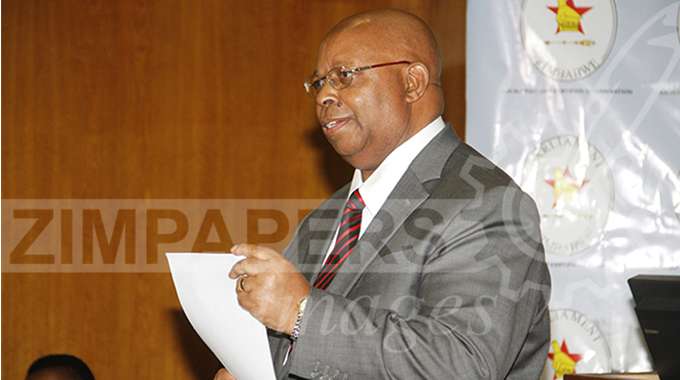
One of the most pressing issues raised during the seminar was the alarming disconnect between parliamentary appropriations and actual disbursements by the Treasury.
Advocate Jacob Mudenda, Speaker of the National Assembly, aptly pointed out that this incongruence undermines both the integrity of the Appropriation Act and Parliament’s oversight role.
The failure to align appropriations with disbursements eviscerates the credibility of the fiscal system, leaving ministries and agencies struggling to fulfil their mandates.
This issue of accountability cannot be overstated. When funds are delayed or inadequately disbursed, it directly impacts essential services such as health, education and agriculture.
The Government must recommit to a transparent budget execution process that respects parliamentary authority and fosters trust among citizens. Ensuring timely and full disbursement of funds is not just an administrative courtesy; it is a fundamental constitutional requirement.
The seminar also spotlighted the need for investment in sectors that drive economic growth, particularly in rural areas.
Farmers and rural representatives articulated urgent demands for timely payments from the Grain Marketing Board (GMB) and Cottco, alongside calls for increased investment in irrigation and climate-smart agricultural practices. This reflects a growing recognition that sustainable agricultural practices are crucial for food security and economic resilience.
Moreover, the proposal for two irrigation schemes per ward to support nutrition gardens underscores the importance of empowering local communities to take charge of their food systems.
This approach not only enhances food security but also creates job opportunities and stimulates local economies.
The discussions around energy solutions further exemplify the seminar’s focus on sustainable development.
The call for expanded Public-Private Partnerships (PPPs) to harness hydro and solar potential illustrates a proactive approach to addressing energy shortages while promoting environmental sustainability.
The emphasis on renewable energy aligns with global trends and the urgent need for nations to transition towards greener energy sources.

Minister of Tourism Barbara Rwodzi’s emphasis on promoting domestic tourism through affordable pricing models is another critical aspect of economic diversification.
By making tourism accessible to locals, the Government can stimulate economic activity and foster a sense of ownership among citizens.
Investments in key tourism infrastructures, such as Meetings, Incentives, Conferences, and Exhibitions (Mice) facilities, are essential for positioning the country as a competitive destination for international events.
Finance Minister Professor Mthuli Ncube’s proposal for a balanced fiscal adjustment — reducing the Intermediated Money Transfer Tax (IMTT) while increasing Value Added Tax (VAT) — highlights the delicate balancing act that the Government must perform.

While there is a clear need for revenue generation to ensure governmental functionality, it is equally important to consider the socio-economic impacts of tax adjustments on ordinary citizens, particularly in a context where many are already struggling to make ends meet.
Calls for improved remuneration for civil servants, especially in critical sectors like health and education, are a reminder of the human capital importance to the nation. The proposed salary increase of 75 percent for public servants, alongside pension adjustments, reflects a broader acknowledgment of the need to retain skilled professionals and curb the brain drain that has plagued the country.
The discussions around social protection were particularly poignant, with participants advocating for increased funding for vulnerable groups, including the elderly and persons with disabilities. Establishing dedicated homes for the elderly and enhancing the social safety net are vital steps towards ensuring that no one is left behind in the quest for national development.
Furthermore, there were significant calls for reducing bank charges and streamlining registration processes to enhance financial inclusion. These reforms are essential for empowering Small and Medium Enterprises (SMEs), which are crucial for job creation and economic resilience.
The 2026 National Budget represents a pivotal opportunity for the Government to align fiscal policies with the aspirations of its citizens. As stakeholders emphasise the need for a pro-poor, transparent, and accountable budget, it is imperative that the Government acts decisively.
The calls made during the Pre-Budget Seminar are not just recommendations; they are a clarion call for a more equitable and just society. By prioritising the needs of the marginalised and ensuring that fiscal discipline and transparency are upheld, the Government can foster an environment conducive to inclusive growth and sustainable development.
As we look towards the future, it is essential that the voices of all citizens are heard and integrated into the national budgetary process. Only then can we truly say that we are working towards a Vision 2030 that is inclusive, equitable, and reflective of the aspirations of all Zimbabweans.