

 Online Reporter
ZESA Holdings has taken a decisive step that deserves national applause: reviving Zimbabwe’s decommissioned thermal power stations in Harare, Bulawayo, and Munyati using modern technology and green energy principles.
This bold move signals a turning point in our energy story — a story that, for decades, was marred by neglect, incompetence, and missed opportunities.
These stations were once the backbone of Zimbabwe’s electricity supply, powering industries, homes, and public services. Their strategic locations near urban and industrial hubs made them vital for economic growth.
When they were shut down due to ageing infrastructure and inefficiency, the country plunged deeper into an energy crisis. Load-shedding became a national nightmare, businesses suffered, and productivity plummeted.
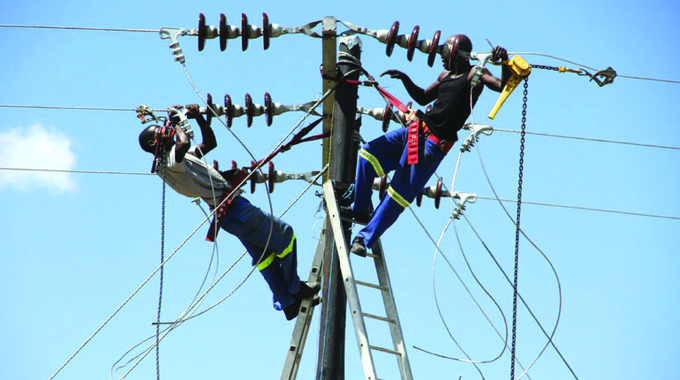
Reviving these plants is not just about restoring old assets; it is about reclaiming lost capacity and reinforcing energy security. In a country where power shortages have crippled manufacturing and mining, this development is a breath of fresh air.
Let us be frank, leaving these plants to rot for decades was an act of incompetence. Technological advancements in cleaner, more efficient energy generation have been available for years. Across the globe, old thermal stations were being modernised with advanced boilers, automated controls, and emission-reducing systems. Zimbabwe, however, chose the path of neglect, forcing reliance on costly imports and exposing the economy to unnecessary vulnerability.
The argument that these plants were “obsolete” no longer holds water. They were only obsolete because decision-makers failed to embrace innovation. Today, Zesa’s move proves that with foresight and commitment, even ageing infrastructure can be transformed into a modern, efficient powerhouse.
The revival strategy involves replacing outdated boilers, improving temperature control systems, and integrating efficient technologies that reduce emissions and enhance performance. The successful testing of Sengwa coal for Munyati Power Station is a masterstroke — leveraging local resources to cut costs and boost reliability.
Moreover, Zesa’s exploration of renewable options, such as small hydro projects, signals alignment with global green energy trends. This hybrid approach — modernising thermal plants while embracing renewables — positions Zimbabwe as a forward-thinking player in the regional energy market.
Reliable electricity supply is the lifeblood of economic growth. Industries will operate without costly interruptions, investors will gain confidence, and jobs will be created across the energy and manufacturing sectors. The revival of these plants will also reduce foreign currency outflows spent on importing power, strengthening the national balance sheet.
Energy security is not just a technical issue; it is a cornerstone of national development. With stable power, agriculture can thrive through irrigation, mining can expand, and small businesses can flourish.
This is how nations grow — and Zesa’s initiative is a catalyst for that growth.
While we celebrate this milestone, we must also demand accountability. Why did it take decades to act? Why were these plants allowed to decay when technology was available? These questions matter because they remind us that progress requires vigilance.
Going forward, Zesa must maintain momentum. Modernisation should not stop at these three stations; it must extend to other facilities and integrate renewable energy aggressively. Transparency in procurement and project execution will be key to sustaining public trust.
For too long, Zimbabwe paid the price of poor foresight. Today, Zesa’s bold move offers hope — a promise of energy security, economic resilience, and technological progress. If managed well, this initiative will not only light up homes but also illuminate a path to national prosperity.



![The scope of domestic violence [part 1]](https://www.heraldonline.co.zw/wp-content/uploads/sites/2/2022/03/Violence.jpg)