Online Reporter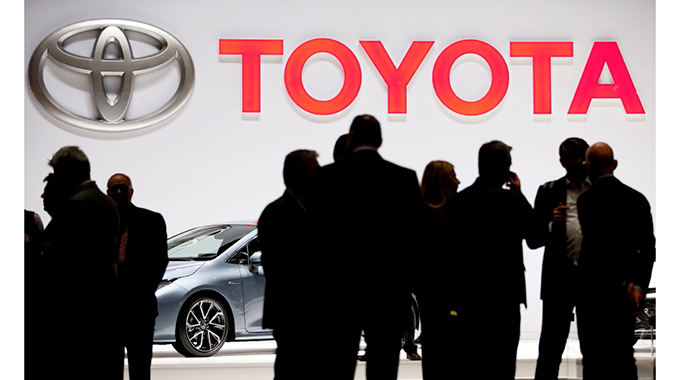
OVER the years since 1975, Toyota has used several taglines, including: “You asked for it, You got it!”; “Oh, What a Feeling!”; “Moving Forward”; “Let’s Go Places” and “I love what you do for me”.
Toyota Tsusho Corporation’s interest in establishing a vehicle assembly plant in Zimbabwe marks a transformative “Let’s Go Places” moment for the country’s industrial and economic landscape.
This expansion is more than a business venture — it’s a catalyst for industrial revival, economic diversification, and international confidence in Zimbabwe’s reform agenda. It’s “Moving Forward” — a great leap to the big boys’ club.
This development aligns seamlessly with President Mnangagwa’s “Zimbabwe is open for business” thrust, which aims to attract foreign direct investment, modernise industries, and stimulate sustainable economic growth.
The establishment of a local assembly plant will inject significant capital into Zimbabwe’s economy. And the key benefits are way too many for us to mention in a single article.
From skilled technicians to logistics and administrative roles, the assembly plant will generate thousands of direct and indirect jobs. Toyota’s involvement will also facilitate technology transfer and training, enhancing the local workforce’s capabilities in automotive engineering and manufacturing.
Ancillary industries such as parts manufacturing, logistics, and maintenance services will flourish, creating a ripple effect across the economy. In particular, the Manize Steel Plant can play a pivotal role in supporting the assembly operations by supplying locally produced steel components.
This integration would, for starters, reduce input costs as locally sourced steel can lower production costs and improve competitiveness.
It will serve as a major boost for the domestic industry by strengthening Zimbabwe’s steel sector and reducing reliance on imported raw materials.
The use of locally produced steel to manufacture vehicle components will promote vertical integration by encouraging collaboration between sectors, fostering a more resilient industrial base.
We cannot evade mentioning how lowering vehicle costs and reducing imports will do wonders for the economy.
Local assembly of vehicles, particularly through semi-knockdown (SKD) kits, will make vehicles more affordable as Zimbabwe begins to produce its own vehicles; dependency on fully built imported units will decline, improving the trade balance.
An exciting part of Toyota’s plans involves upgrading public transport fleets and supplying ambulances and mobile medical units. This move will enhance healthcare delivery, especially in rural areas.
Toyota’s interest in Zimbabwe’s mineral sector, particularly in the electric vehicle (EV) value chain, is a major boost for mineral beneficiation.
Battery technology development will position Zimbabwe as a player in the global EV market. Leveraging minerals like lithium and petalite to expand trade with Japan and other markets will bring in much-needed foreign currency and investment.
Any patriotic Zimbabwean will be as excited as we are about Toyota’s plans. Zimbabwe is open for business, for sure and this partnership with Toyota Tsusho is a strong endorsement of Zimbabwe’s investor-friendly policies. The Government’s incentives — such as duty exemptions on SKD kits —demonstrate a commitment to fostering industrial growth and attracting global brands.
By leveraging local resources like the Manize Steel Plant and aligning with national development goals, such an investment could redefine Zimbabwe’s position in the regional automotive and manufacturing sectors.
“Let’s Go Places!”