Online Reporter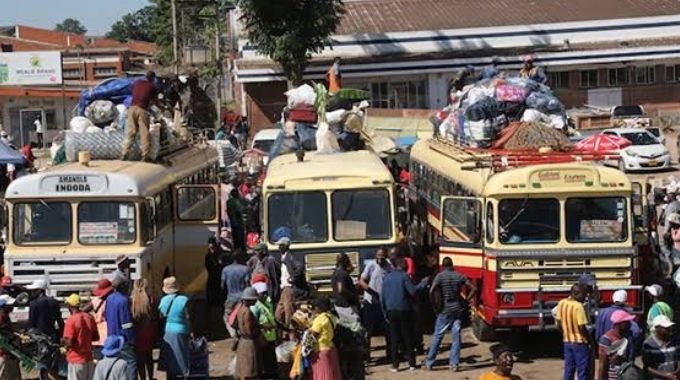
FOR generations, Renkini Bus Terminus has been more than a transport hub. It has been Bulawayo’s gateway to the rest of Zimbabwe, a meeting point for families, traders, workers, students and travellers.
Every day, thousands of people pass through its gates on journeys to Harare, Gwanda, Filabusi, Nkayi and beyond. While it remains one of the city’s most important transport facilities, the effects of time and growing demand are increasingly evident, strengthening the case for a comprehensive upgrade befitting its strategic role in Bulawayo’s economy and Zimbabwe’s transport network.
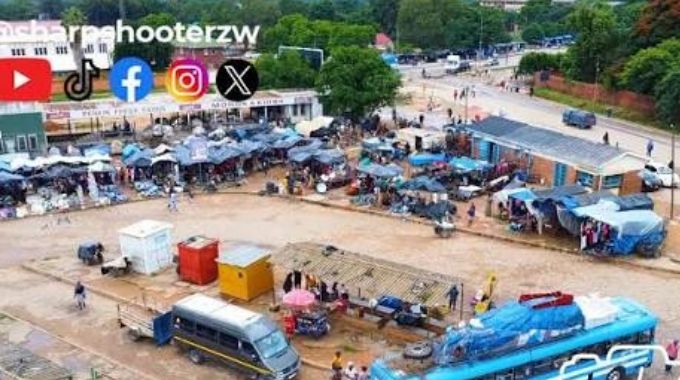
The complaints coming from commuters, traders and residents can no longer be ignored. The absence of decent ablution facilities, ageing infrastructure, congestion and growing safety concerns paint a worrying picture of a terminus that has failed to keep pace with the needs of a growing city.
For many first-time visitors to Bulawayo, Renkini forms their first impression of the city.
Unfortunately, that impression is increasingly one of deterioration rather than the orderliness and pride for which Bulawayo has long been known.
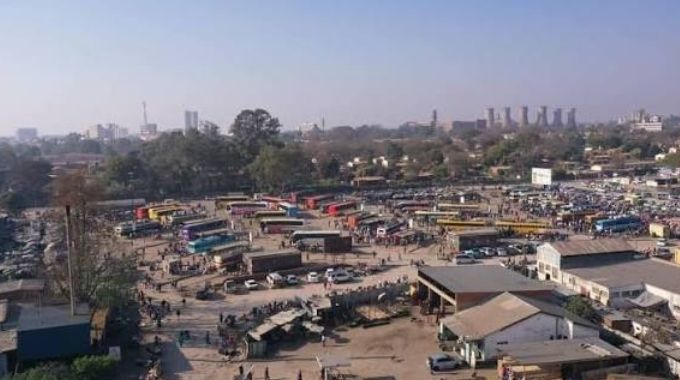
The case for upgrading Renkini is not merely about beautification. It is about economic development, public health, safety and restoring dignity to travellers. A modern transport terminal would improve the travel experience for thousands of passengers every day, particularly the elderly, women travelling with children and people living with disabilities.
Clean waiting areas, adequate ablution facilities, proper lighting and enhanced security would immediately improve the quality of life for those who rely on the terminus.
Beyond its social benefits, the economic case for redevelopment is overwhelming. Renkini sustains hundreds of livelihoods. Vendors sell food, beverages, clothing and essential goods to travellers. Bus operators depend on efficient facilities to move passengers.
Informal traders rely on the steady flow of commuters to support their families. Every delay caused by congestion, inadequate infrastructure or operational inefficiencies represents lost income for individuals and reduced economic activity for the city.
A refurbished Renkini could become a catalyst for local economic growth. Modern retail space, organised vending areas, digital ticketing systems and improved traffic management would create new business opportunities while increasing revenue for the local authority. Construction itself would create jobs, while long-term operations would generate sustainable employment opportunities for Bulawayo residents.
Importantly, upgrading Renkini would also help restore order within Bulawayo’s transport system.
The deteriorating state of the terminus has contributed to some intercity and cross-border operators choosing undesignated pick-up points in the Central Business District. This not only worsens congestion but undermines efforts to build an efficient and well-regulated public transport network.
A modern and attractive facility would encourage operators to return to designated terminals and improve the movement of people and goods.
The benefits would extend beyond Bulawayo. As Zimbabwe seeks to grow trade, tourism and investment, transport infrastructure must support those ambitions. Every functioning economy depends on efficient transport systems. Renkini serves as a critical link between Bulawayo and many parts of the country. Improving it would strengthen domestic commerce, support regional mobility and contribute to national economic development.
Encouragingly, plans for redevelopment already exist. The city has conducted studies, sought investors and invited bids. What is needed now is urgency. Bulawayo cannot afford for Renkini to remain trapped in an endless cycle of proposals and feasibility studies while conditions continue to deteriorate.
The city deserves better. The travelling public deserves better. Renkini has served Bulawayo faithfully for decades. It is time for the city, investors and other stakeholders to repay that service through a meaningful upgrade.
A modern Renkini would not simply be a bus terminus. It would be a statement that Bulawayo is open for business, proud of its heritage and determined to build for the future. The time for planning has passed. The time for action is now.