Online Reporter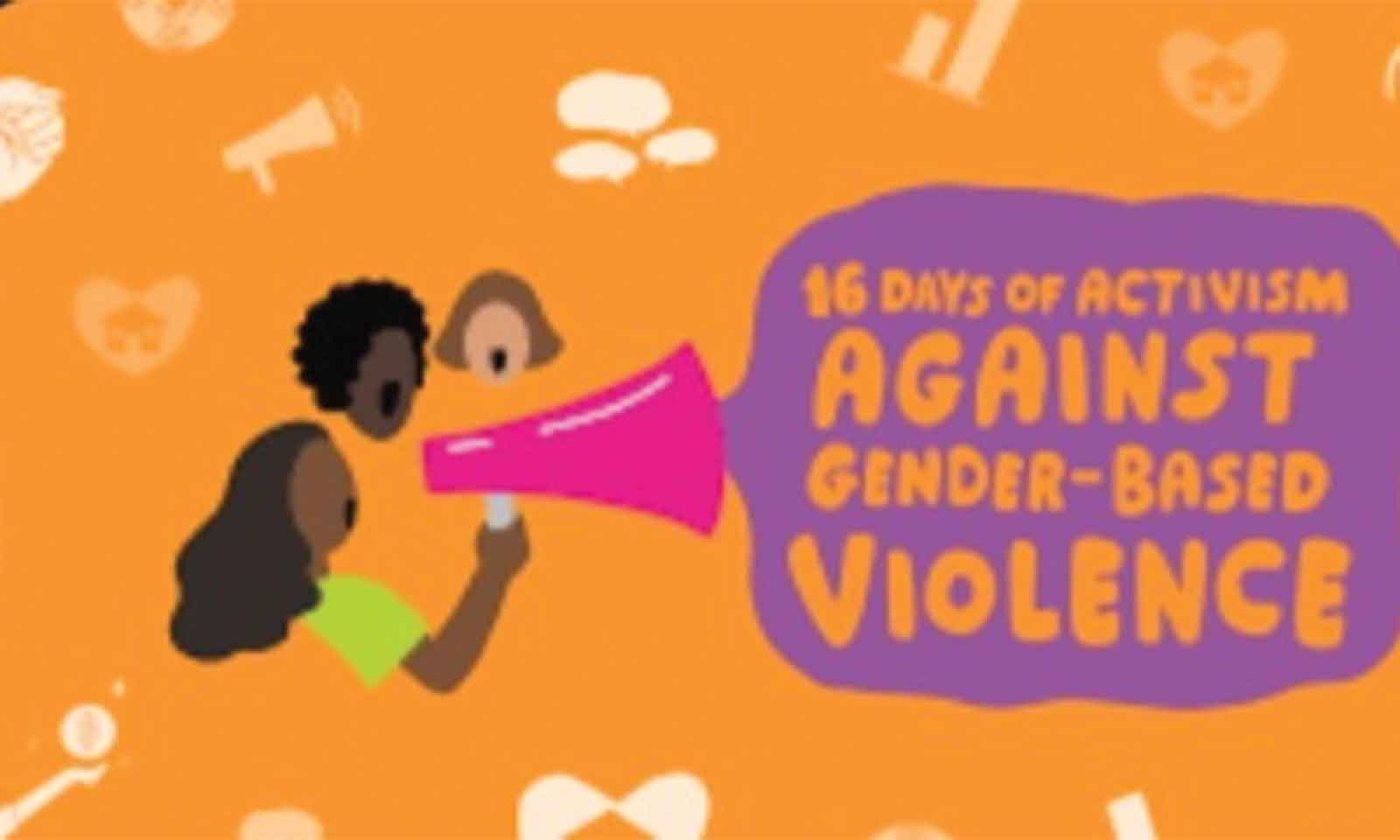
LIKE most progressive countries across the world, Zimbabwe will on Tuesday begin observing the 16 Days of Activism Against Gender-Based Violence (GBV), an international campaign to challenge violence against women and girls.
The country, however, finds itself at a pivotal moment in its journey towards gender equality.
This year’s theme, “Unite to End Digital Violence Against All Women and Girls”, serves as both a timely call to action and an opportunity to reflect on the progress made and challenges remaining in the fight against GBV.
The high-level political commitment demonstrated by President Mnangagwa’s administration signals a renewed dedication to creating a violence-free society where every citizen can thrive without fear.
In particular, the Government has demonstrated its commitment to addressing GBV through high-level initiatives and legal reforms.
The launch of the High-Level Political Compact on Ending Gender-Based Violence and Harmful Practices in 2021 positioned Zimbabwe as the first among 22 Spotlight Initiative countries worldwide to establish such a high-level commitment.
This compact, presided over by President Mnangagwa himself, represents a significant milestone in the coordination of national efforts to eliminate violence against women and girls by 2030.
Zimbabwe’s progressive Constitution provides a strong foundation for these efforts. Section 17 mandates full gender balance across all sectors of society, while Section 80 guarantees women’s right to equal dignity and opportunities.
This constitutional framework has been reinforced through legislation such as the Domestic Violence Act and provisions in the Constitution that expressly guarantee the right to personal protection, dignity and freedom from cruel, inhuman and humiliating treatment.
The Government has also established a comprehensive framework for addressing GBV through the National Gender-Based Violence Response and Prevention Strategy, which adopts a multi-sectoral approach to GBV-related support services.
These initiatives are strategically aligned with the country’s National Development Strategy 1 and Vision 2030 goals, recognising that gender equality is essential for sustainable development.
The Spotlight Initiative in Zimbabwe, a global partnership between the European union (EU) and the United Nations, has been instrumental in advancing these efforts.
With a funding commitment of US$30 million from the EU, the programme implements interventions across five provinces under six pillars — legislative and policy framework; strengthening institutions; prevention and social norms; delivery of quality services; data availability and capacities; and women’s movement and civil society.
On its part, the Government is taking concrete steps to enhance women’s political participation through the forthcoming operationalisation of the Women in Leadership and Decision-Making Strategy.
This initiative aims to increase women’s representation in leadership positions and prevent violence in political spaces.
Despite these efforts, women remain significantly underrepresented in key decision-making positions.
This highlights the need for continued focused action to achieve the constitutional mandate of gender balance in all Governmental agencies, constitutional commissions, public entities and educational institutions, among others.
But, despite commendable progress, Zimbabwe continues to grapple with significant challenges in its quest for gender equality.
GBV cases remain persistently high, with disturbing statistics indicating that approximately one in three women in Zimbabwe experiences physical or sexual violence in their lifetime.
Child marriage also remains prevalent, affecting about 34 percent of girls despite legal reforms that raised the minimum marriage age to 18.
The digital gender divide and emerging forms of technology-facilitated GBV represent new frontiers in this battle.
Women and girls in Zimbabwe face significant barriers to internet access and digital skills, restricting their opportunities to participate in the digital economy and access vital services.
This digital exclusion not only reinforces existing gender inequalities but also creates new vulnerabilities to digital violence.
As President Mnangagwa rightly emphasises, ending GBV requires a whole-of-government and society approach, where every citizen has a critical role to play.
The observance of the 16 Days of Activism Against Gender-Based Violence demonstrates commitment at the highest levels of Government, but meaningful change will require sustained collective action across all sectors of society.
Development partners, traditional leaders, religious institutions and civil society organisations encouragingly continue to play complementary roles in the fight against GBV.
Further, organisations such as Equality Now, the Women’s Coalition of Zimbabwe and the Zimbabwe Women Lawyers Association have played crucial roles in advancing women’s rights and supporting Government accountability to its regional and international commitments.
As Zimbabwe continues this journey, it must build on the progress made, honour its commitments and remain steadfast in creating a society where all people can live in peace and dignity, free from fear and harm. The nation’s development philosophy, “Nyika inovakwa, inotongwa, inonamatirwa nevene vayo” (A country is built, governed and prayed for by its citizens), reminds us that achieving gender equality is not merely a policy goal but a fundamental prerequisite for the prosperous, equitable Zimbabwe envisioned in Vision 2030.
The road ahead remains long, but with continued dedication, honest dialogue and concerted action at all levels, Zimbabwe can realise its aspiration of a united, harmonious, peaceful and equitable society for all its citizens.