Online Reporter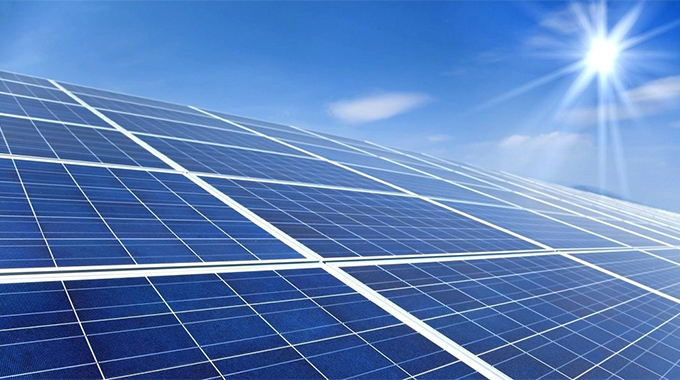
ZIMBABWE is enjoying improved power supply which has been attributed to investments in power generation by both the Government and the private sector.
Water levels at Kariba Dam have also risen to 22 percent enabling both Zimbabwe and Zambia to increase power generation.
The improved power generation has eased load shedding burden on the productive sector while domestic consumers are now guaranteed affordable energy.
The Zimbabwe National Statistics Agency (ZimStat) has noted steady increase in the national power output which clocked a recent daily peak of 1 665MW.
The ZimStat Index of Electricity Generation (IEG) first quarter 2025 report reflects a positive improvement of 8,7 percent compared to the same period last year.
According to the ZimStat report, Hwange Thermal Power Station generated 1674,5 gigawatt-hours (GWh), representing 69,2 percent of the total electricity generated during the first quarter of 2025.
Kariba on one hand contributed 24,3 percent while independent Power Producers (IPPs) accounted for the remaining 6,5 percent.
The positive trend has continued into the second quarter with Hwange, Kariba and IPPs all improving power generation resulting in the daily average increasing to more than 1 600MW.
Power imports decreased by 37,4 percent in the first quarter of 2025, down to 305,5GWh from 487,8GWh in the previous quarter.
The improved power generation by Hwange, Kariba and IPPs will not only boost industrial production but will also guarantee winter wheat farmers uninterrupted power supply.
Government has set ambitious targets under the winter cereals programme as it intends to produce 600 000 tonnes of wheat, 39 000 tonnes of barley and 236 000 tonnes of potatoes.
A number of private companies have been granted licences to produce solar energy and feed the surplus into the national grid.
It is encouraging to note that some of these companies are already complementing Government efforts to boost power generation to meet national demand.
The solar plants that are already operational include Caledonia Mining Corporation’s 12,2MW in Gwanda, Matabeleland South province, Centragrid in Nyabira, Mashonaland West province and Solgas Energy at Cross Mabale in Matabeleland North province.
Generation of solar energy is in line with the Government’s quest to produce clean energy as it strives to meet the global climate-change adaptation and mitigation commitments.
Most African countries including Zimbabwe, have abundant sunshine throughout the year and should therefore take advantage of this God-given resource to invest in renewable energy.
We want at this juncture to commend the IPPs that are already feeding electricity into the national grid and urge others to also come on board.
Zimbabwe has the potential to produce surplus electricity for export hence the need for more companies to invest in power generation.