admin
admin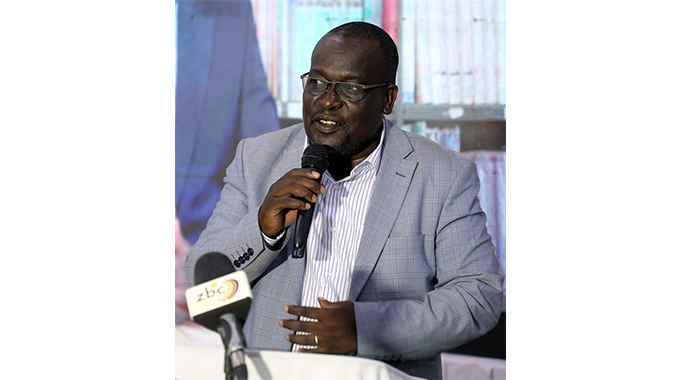
THE Covid-19 pandemic reframed life as we knew it. It sickened and killed millions worldwide. Some survivors are still haunted by long Covid. It shut down the world, destroyed some industries and gave rise to new ones. It transformed the world of work. It destroyed livelihoods.
While its cost to life was greatest in the US and other Western nations where it killed millions, its economic and livelihood impacts were direst in Africa.
Economies are still recovering from the pandemic. Some people who lost jobs and livelihoods during the crisis are still looking for them and are poorer.

Figures released by Bulawayo Metropolitan Province indicate the challenge of reconstructing provision of social services for the most vulnerable in the region post-Covid-19. In terms of access to primary and secondary education, the Government this year paid school fees for 44 000 pupils under the Basic Education Assistance Module (Beam) from about 10 000 in the pre-Covid-19 era; a more than four-fold growth.
Those are the figures we have under Beam. How about the impact of Covid-19 on access to health services by the vulnerable? How about its impact on access to enough, nutritious food? How about the financial wellbeing of the orphans, the elderly, widows and the disabled?
“That total shutdown during the peak of the Covid-19 outbreak meant people who relied on trading had no opportunity to do that,” said Bulawayo Provincial Affairs and Devolution Permanent Secretary Paul Nyoni.
“Before Covid-19, we had about 10 000 children who were on Beam but post Covid-19 we are hitting 65 000. This is an issue that needs to be interrogated and we need to ventilate that there was that impact. You can then cast your minds and say how it affected health because if you can’t afford education, you can’t afford health. How did it affect the city council in terms of rates and bill payment?”
The Government did well to, as it has done since it introduced Beam in 2000, extend the helping hand to parents or guardians who cannot raise enough fees for the education of their kids. Children who faced the risk of dropping out of school, have been given a pathway away from idleness, drug and alcohol abuse and early marriages. With the school fees bill catered for, parents have the freedom to spend on other necessities such as clothing, food and so on.

We implore authorities to expand the Beam budget, not only for Bulawayo, but for the rest of the country.
However, as Mr Nyoni highlights, the effects of the Covid-19 pandemic on social and economic wellbeing of our people are wider than access to education.
“. . . if you can’t afford education, you can’t afford health . . .,” he said.
In this view, it is critical for authorities, working with development partners to, as Mr Nyoni suggests, use the ballooning need for assistance under Beam, as a clue to a wider social situation that calls for more assistance. There could be more people who can’t afford health services now than before the coronavirus outbreak. There could be more people who don’t have enough food now than before Covid-19. Such people need, and deserve, assistance. Government must step in, but development partners are requested to chip in as well. The private sector, churches and individuals must do likewise.


 Online Reporter