admin
admin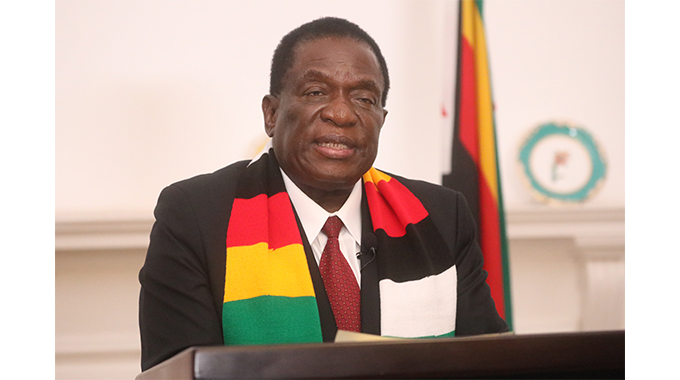
PRESIDENT Mnangagwa’s philosophy of “leaving no one and no place behind” as a policy guide to the Second Republic’s thrust of inclusive development while leapfrogging previously marginalised areas is the greatest way of honouring the legacy of the Unity Accord.
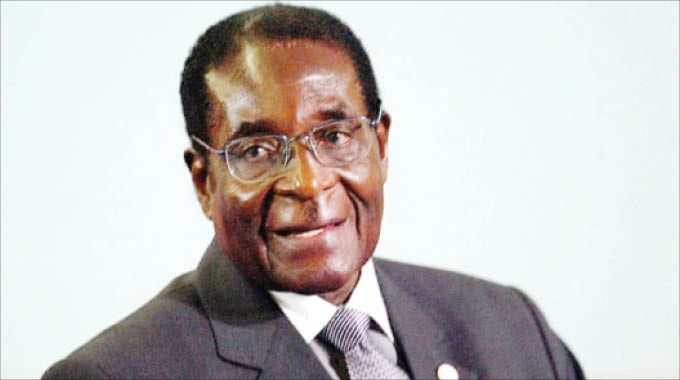
The country yesterday commemorated the 35th anniversary of the historic Unity Accord signed on December 22, 1987, between the country’s liberation icons the late Vice-President Dr Joshua Nkomo and the late former President Cde Robert Mugabe.
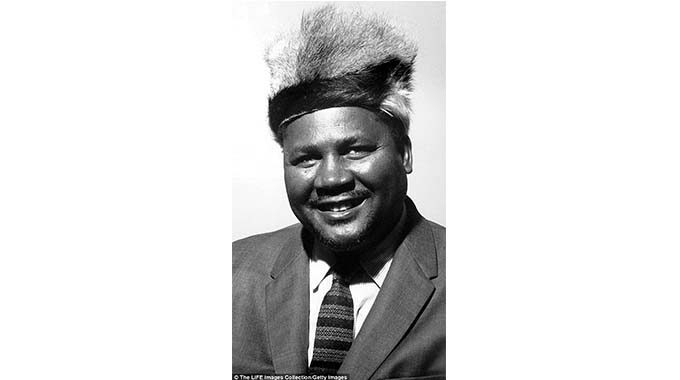
The signing of the Unity Accord put an end to Gukurahundi described as the country’s darkest chapter and also saw the merger of two liberation movements Zanu and PF-Zapu into Zanu-PF.
While the signing brought a political solution to the country, Gukurahundi left a lot of scars, particularly in Matabeleland and some parts of Midlands province.
Upon assuming power, President Mnangagwa declared that the country needs to confront its dark past by taking a bold step towards finding a lasting solution and fostering national unity for the healing of the victims.
In October, the President launched the Gukurahundi Community programme.
The policy document empowers traditional leaders to conduct victim-centred Gukurahundi public hearings.
Chiefs are finalising modalities that will enable them to start the public hearings.
In his address to mark Unity Day, President Mnangagwa said, “22 December is one of the most important dates on our National Calendar. The iconic document, including its inbuilt spirit, ideas and philosophy remains a rich heritage of our great country. It is a vital resource and instrument upon which we are anchoring our shared vision for inclusive development and a modern, industrialised, prosperous and empowered society.”
The President said the Unity Accord has guided the Second Republic’s thrust of inclusive development.
This has seen the Government initiating development projects in previously marginalised communities like Binga and the San Community in Matabeleland North among other areas.
On coming to power, the Second Republic also provided financial support towards the completion of high-impact projects that had been left hanging for many years while also establishing new ones.
“Undoubtedly, under my watch and going into the future, Government policies, programmes and projects have crystallised around inclusive broad-based sustainable socio-economic development that leaves no one and no place behind. The decentralisation of Independence Day celebrations, which began this year with the Bulawayo Metropolitan Province playing host, is now the norm.
“This is a translation of our commitment to ensuring that all the people, from every part of our beloved country, coalesce around our shared national identity, events and symbols,” the President said, adding “development projects and investments being implemented throughout our country must be understood, in the context of the collective national good. Hence, the construction of dams, energy, health and education infrastructure is ultimately for the benefit of all Zimbabweans. This is the national character trait and unity which must be entrenched as we concertedly develop, modernise and industrialise our country for a higher quality of life for all our people”.


 Online Reporter