Sundaymail Editor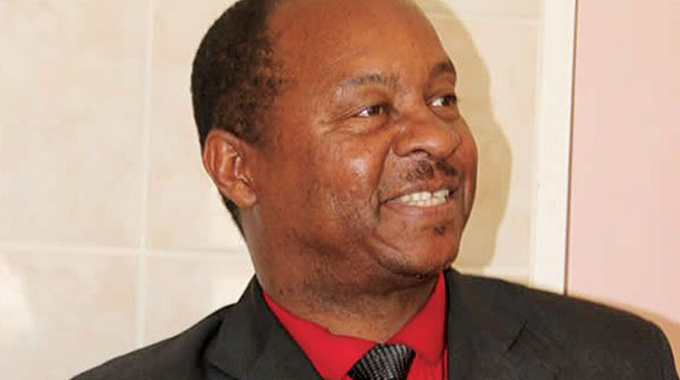
Phillipa Mukome-Chinhoi
Zimbabwe is one of the countries leading in the response to HIV, with significant milestones achieved over the last few years, it has been established.
The country’s HIV prevalence rate now stands at 13,7% amongst the adult population, down from 29% which was recorded in 1999.
The incidence rate, that is the number of new HIV infections, also went down from 1, 42% in 2011 to 0,48% in 2016.
The Ministry of Health and Child care has been at the helm of the HIV and AIDS campaigns, with various partners and stakeholder scaling up interventions to ensure that new HIV infections are reduced by 2030.
Speaking at an official opening of the Comprehensive National HIV Communications Strategy for Zimbabwe 2019 – 2025, Health and Child Care Minister Dr Obadiah Moyo stated that various countries have requested to come and learn from Zimbabwe’s experience.
However, he stressed that more still needs to be done.
“We cannot afford to fold our hands and take a break because we still have one of the highest prevalence rates in the world. The war is not won yet and we still have to roll up our sleeves to ensure that we collectively end AIDS by 2030,” he said.
He encouraged the Health Ministry’s AIDS and TB unit to invest more in communication so that HIV prevention, treatment and care programs can be dealt with more effectively.
The first ever Comprehensive National HIV Communications Strategy will focus on specific groups, including key populations as well as religious and traditional leaders.
Dr Moyo highlighted that religion and culture play a critical role in shaping human values and practices.
“HIV has no respect for religion, tribe, sexual orientation, age, or gender. ln the same way, our approach should also have no affiliations, it should be one unified approach. This way, we can achieve epidemic control,” he said.
The communication strategy will help stakeholders identify priority audiences as well as how to engage them effectively.
Using the strategy as a guidance document for all public health communication will help health workers to trace how people think, feel and act. Barriers as well as motivators that influence adoption of behavior will be identified.
Minister Moyo thanked the program’s funding partners.



 Online Reporter