Online Reporter
Judith Phiri Zimpapers Business Hub
As Zimbabwe advances its goal to achieve Land Degradation Neutrality (LDN) by 2030, significant progress is being made in restoring the most severely degraded gully sites at Mukosi in Masvingo
Province and Nenhohwe in Manicaland Province, thanks to the efforts of the Dryland Sustainable Landscapes Impact Program (DSLIP).
Through a combination of national policies, targeted restoration efforts, and community-driven programmes, the country has committed to restoring over 3.9 million hectares of degraded land, improving land cover by 70 percent and ensuring a 10 percent net gain in land productivity compared to 2008 levels.
Key strategies include reforestation, wetland restoration and the promotion of conservation agriculture to rehabilitate degraded arable land.
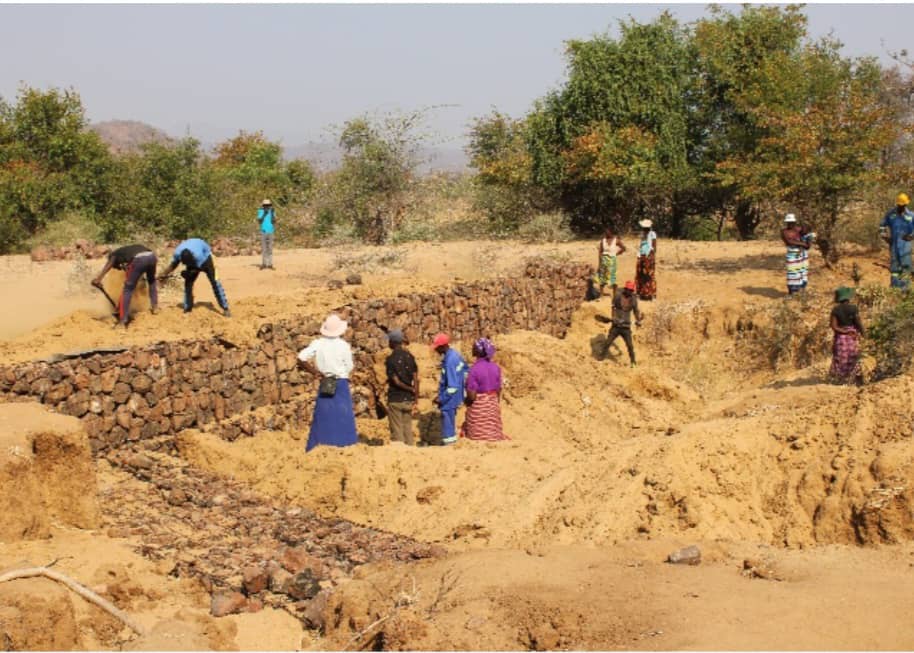
The Government, through the Environmental Management Agency (EMA), is implementing these actions in hotspot districts like Masvingo, Chipinge, and Chimanimani, with programmes such as the DSLIP improving dryland ecosystems, supported by international partners such as the Food and Agriculture Organisation of the United Nations (FAO) and the Global Environment Facility.
In an interview, DSLIP National Project Coordinator, Mrs Precious Magwaza said gullies were a ticking time bomb for the communities.
“By reclaiming them, we are protecting both the land and the people’s future. The sprawling gully in Mukosi, had grown dangerously close to a major road linking several villages to Ngomahuru
Hospital and it posed an escalating threat to access to healthcare for thousands,” she said.
“In Nenhohwe, the deepening gully had crept perilously near the local cemetery, putting sacred burial grounds at risk of destruction. The environmental damage was not only eroding soil, it was eroding access heritage, and the emotional well-being of local residents.”
In response, she said they funded the full reclamation process, mobilising key Government institutions including EMA, Agricultural and Rural Development Advisory Services (ARDAS) (formerly Agritex) and rural district councils (RDCs).
Mrs Magwaza said using a blend of engineering solutions such as gabions, along with nature-based approaches like revegetation, the project aims to stabilize soils and prevent further erosion.
“One of the programme’s standout achievements has been its ability to galvanize community participation. In both Mukosi and Nenhohwe, local residents were not mere bystanders they were active participants.
Through training sessions, community work days and awareness campaigns, the project empowered communities to take ownership of their environment.”
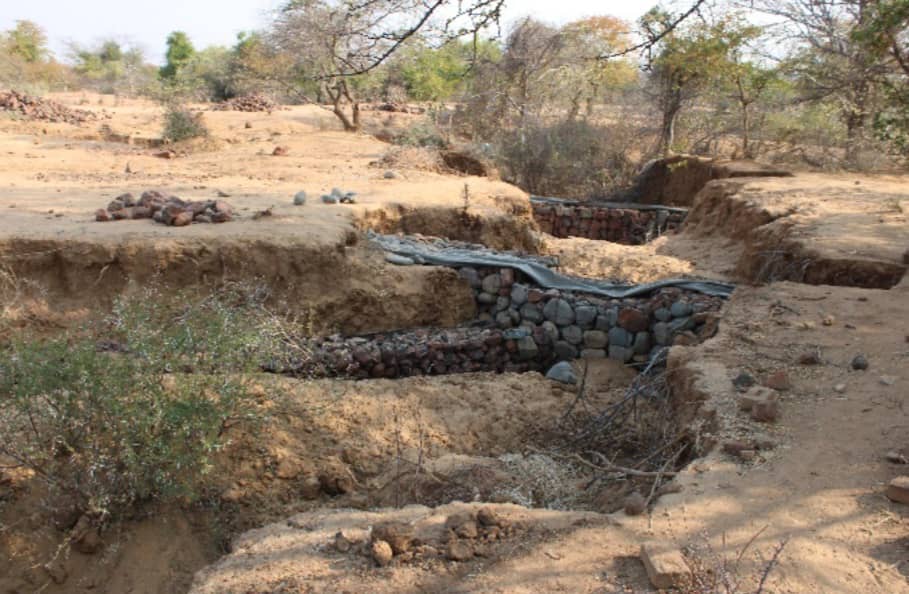
She said the two gullies were proof that degraded land can be brought back to life, while what is needed is commitment, collaboration and community participation.
Mukosi Ward 22 Councillor Peter Marambire said they have never seen this kind of unity before.
“Everyone from youth to elders is playing a role in reclaiming this land. In Mukosi, where access to Ngomahuru Hospital is essential, the reclamation has offered a sense of relief and renewed security,” he said.
Mr Chengeto Mapanzure a villager in ward 22 Mukosi pointed out that when the rains came, they feared the road would be washed away and wow thet can sleep peacefully, knowing that the link to the hospital is safe.
In Nenhohwe, the restoration effort is taking a deeply personal dimension as community elders and the youth are actively participating in the restoration works.
“Our ancestors are at peace again. This land is sacred, and we are grateful it is being protected,” said Mr Taonekwa Mafuruse, a village elder in Nenhohwe village.