Chronicle Editor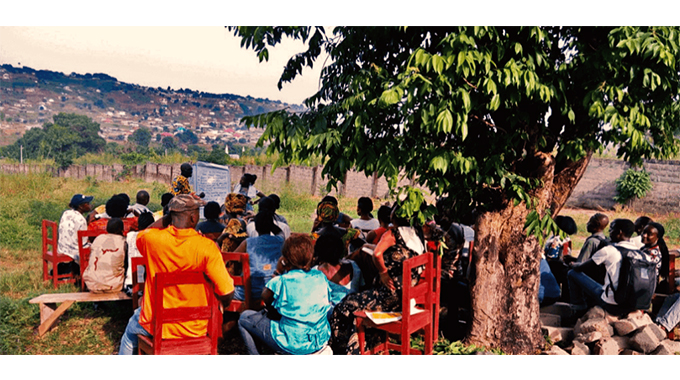
Gibson Mhaka, Senior Reporter
EFFECTIVE implementation of gender-responsive budgeting (GRB) demands community mobilisation to ensure gender-equitable distribution of resources, which contributes to equal opportunities for all.
Community mobilisation, besides being essential both for gender justice and fiscal justice, bridges the gap ensuring budgets truly address local gender disparities and empower marginalised groups such as women and those with disabilities.
Studies have shown the critical role of community participation in shaping equitable budget processes. By actively engaging in these processes, communities can identify gender needs, hold local authorities accountable and shape resource distribution for a more equitable future.
Community mobilisation is the process of bringing together as many stakeholders as possible to raise people’s awareness and demand for a particular programme, to assist in the delivery of resources and services, and to strengthen community participation for sustainability and self-reliance.
According to Councillor Simphiwe Vuyelwa Mguni of Mangwe Rural District Council, community mobilisation plays a crucial role in strengthening community participation in GRB and unlocking its full potential.
“The benefit of community mobilisation is that it ensures the inclusion of all key stakeholders in the GRB process leading to more responsive and equitable budget allocations. This, in turn, will assist in the delivery of resources and services. Essentially, community mobilisation will strengthen community participation in GRB,” said Clr Mguni.
Community mobilisation helps to empower communities and enable them to initiate and control their own development. Within the development sector, there is a strong focus on communities taking a lead role in development activities rather than just being the receivers of grants and services.
A lot can be achieved when people from different parts of the community share a common goal and actively participate in both identifying needs and being part of the solution. Community mobilisation helps to empower communities and enable them to initiate and control their own development.
Gender activist Ms Sandra Gama said there were a number of potential economic benefits and opportunities associated with investing in gender equality through GRB.
“When communities are engaged in the budgeting process, they have a better understanding of the process and how budget allocations are made. It can help to close the gender gap in economic opportunities, which could lead to increased productivity and economic growth. Also, it can help improve women’s access to resources, which can lead to increased savings and investment. It can also help increase women’s participation in the formal economy, which can lead to increased tax revenues. Lastly, it can help reduce poverty and improve economic security for women and their families,” said Ms Gama.
She, however, said there was a lack of understanding about GRB among community members, which could make it difficult to mobilise support.
Social justice and human rights activist, Ms Bekezela Mguni said meaningful community mobilisation or public engagement helps residents understand the hard choices that budgeting entails and assists policy makers in better understanding programmes and services residents value most.
“Since the budget is typically the strongest statement of the local authorities’ priorities for the community, as such, it is important that its development involves substantial community involvement. Meaningfully engaging the community in key policy decisions that affect them is the right thing to do and that contributes significantly to the community’s quality of life,” said Ms Mguni.
Over the years, the Zimbabwe Women Resource Centre and Network (ZWRCN) has been instrumental in mobilising communities to establish Gender Budget Action Committees (GBACs) made up of people with disabilities (PWDs), people living with HIV (PLWHIV), representatives of trade associations, young people, the elderly, and other key interest groups.
The GBACs were playing a crucial role in raising awareness and advocating for gender-responsive budgeting within their communities. They have also successfully advocated for the delivery of essential services to their communities and their advocacy efforts have resulted in tangible improvements in the lives of citizens, showcasing the value of community-driven initiatives in promoting positive change.
Human rights defender Mr Effie Ncube echoed Ms Mguni’s sentiments, underscoring the importance of community mobilisation for effective GRB implementation.
“Gender-responsive budgeting must respond to the needs of communities. These needs must not be assumed but must come from the communities themselves. By mobilising communities, it gives them an opportunity to meaningfully demand a budget that serves their needs.
“Community mobilisation helps bring communities together so that they can effectively dialogue on the challenges the community is facing and how best to address these. It is through intra and inter community dialogue that the specific needs are identified. Instead of parachuting in and out of the community, community mobilisation strengthens the community’s capacity to itself take charge of its destiny,” said Mr Ncube.
Turning to what is needed to effectively engage communities in budget processes, Mr Ncube said: “There are four major challenges that should be changed. First, the consultation process does not reach villages in isolated communities. Most budget consultation meetings are held in towns and growth points. This habit denies rural communities the opportunity to have a voice.
“This is despite the fact that they will be equally and sometimes disproportionately be affected by the budget. Second, consultations with interest organisations are still weak and too-often rushed. Adequate time should be invested into ensuring stakeholders across all sectors are fully and comprehensively consulted.
“Third, the final budget must reflect as closely as possible the input secured from the outreach. It makes no sense at all to consult people and thereafter ignore their views. People don’t want to be taken for granted.
“Finally, Parliamentarians and councillors should be more robust than what they usually do. They must thoroughly evaluate and assess the budget including the extent to which the budget is gender-responsive. They are the eyes and ears of the people and therefore must ensure that the budget accords with the lived realities of the people.”
Citizen Engagement and Movement Building Officer for Zimbabwe Coalition on Debt and Development (ZIMCODD) Ms Precious Luphahla said there was growing awareness about gender-responsive budgeting in many communities, particularly in the context of efforts to promote gender equality and women’s empowerment.
Governments, civil society organisations, and international development agencies have been advocating for the adoption of gender-responsive budgeting as a tool for addressing gender inequalities and promoting women’s rights.
“In some communities, there are initiatives and awareness campaigns aimed at educating community members about the importance of gender-responsive budgeting. These efforts seek to increase understanding of how budget decisions can have different impacts on women and men, and how gender-responsive budgeting can help ensure that public resources are allocated in a way that promotes gender equality and women’s empowerment,” said Ms Luphahla.
She, however, said the level of awareness about gender-responsive budgeting can vary widely across different communities and regions.
“In some places, there may be limited understanding of this concept and its potential to address gender disparities. Therefore, ongoing efforts are needed to raise awareness, build capacity, and engage community members in advocating for gender-responsive budgeting at local, national, and regional levels,” she said.
“The trust and participation between communities and local authorities have been impacted by issues including political unrest, historical grievances, capability limitations, and few resources, notwithstanding these measures. The dynamics of community-local authority interactions have also been impacted by differences in economic opportunity, political representation, and access to basic services.”


 derick.khumalo