Chronicle Editor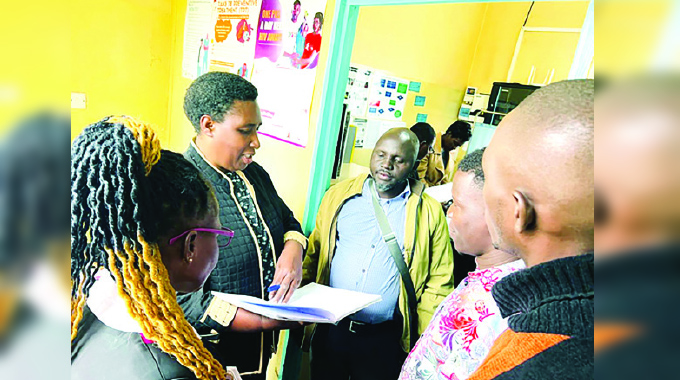
Shamiso Yikoniko
In the ongoing battle against HIV, an innovative model brings renewed hope,transforming the lives of men, children and adolescents who are missing from critical HIV prevention, care and treatment services. The ground-breaking initiative – Community Posts Model – has been gaining momentum and garnering attention for its remarkable success stories.
One key aspect of the model is its comprehensive approach to locating and involving the hard-to-reach population. It utilizes a combination of community outreach, targeted awareness campaigns and partnerships with local organizations to identify individuals who have not been reached by existing HIV services.
Through dedicated community collaborative efforts, the model emphasizes the importance of tailored interventions and support for men, children and adolescents, addressing their specific needs and challenges.
Zimbabwe has 86, 8 percent of people living with HIV (15-64 years) who report knowing their HIV status; with 97 percent of those accessing treatment and 90.3 percent of those on treatment virally suppressed (Zimphia,2020).
The impact of the model has been nothing short of transformative. By focusing on early identification, prompt testing and linkage to care, numerous success stories have emerged, demonstrating the power of this model in improving HIV outcomes.
One such remarkable story is that of James Dube*, a 40-year-old man who had been unaware of his HIV status for years due to limited access to healthcare services. Through the efforts of the Mbare Community Post, James was identified and linked to comprehensive care and treatment. Reflecting on his journey, he shares; “This model has given me a second chance at life. I received the support and education I needed to take control of my health.
Today, I am living positively with HIV, spreading awareness, and encouraging others to seek the care they deserve.”
The model’s impact extends to the most vulnerable members of society – children, adolescents and priority (key) populations, Sarah Muti*, a 16-year-old girl, tells her story of personal transformation, saying; “When I found out I had HIV, I felt lost and alone.
But through the community posts, I found a community that embraced me and provided the support I needed.
Now, I am not only managing my health but also advocating for other young people like me to stay strong and seek the care they deserve.”
The success stories emerging from the model serve as a beacon of hope, inspiring healthcare providers, policymakers and communities to continue their efforts in reaching those previously left behind.
By addressing the unique challenges faced by men, children and adolescents, the model demonstrates that tailored interventions and targeted outreach can yield remarkable results.
Community posts are outreach centres for public health clinics that work to improve access in HIV prevention, care and treatment support, by decentralising service delivery to the communities.
They are essential in reducing congestion at public health clinics and addressing gaps in access among the target groups; men, adolescents and children.
The community posts are in areas of high activity such as markets and bus termini. To date, Harare City has seven community posts located in Mbare, Glen View, Harare CBD and Mbudzi Roundabout.
The Community Posts Model was adapted from Zambia’s Circle of Hope model and is being implemented by the Zimbabwe Association of Church-Related Hospitals (Zach) in collaboration with the Ministry of Health and Child Care (MOHCC) and City of Harare Health Services Department with support from the U.S. President’s Emergency Plan for Aids Relief (Pepfar) through Centres for Disease Control and Prevention (CDC) in Zimbabwe.
The collaborative effort of healthcare professionals, community organizations and government agencies aim to identify and engage individuals who have fallen through the cracks of HIV services.
Historically, men, children and adolescents have faced unique barriers that have hindered their access to crucial HIV prevention, care and treatment resources. This model seeks to bridge those gaps and ensure that no one is left behind.
Since its establishment in 2020, Zach has reached over 14 000 people with HIV testing services, with 58% of these reaching men and 42 percent females. As a result, all these people now know their HIV status and approximately 2 800 people were initiated on life-saving anti-retroviral therapy.
About 2 100 of these continue to receive quality HIV treatment and care services from the community posts, with the rest receiving care from other preferred health facilities. Approximately 500 people have received HIV prevention medication such as Pre-Exposure Prophylaxis from the community posts.
The success and compassion embedded within the model have attracted global attention, with South Sudan embarking on a week-long learning visit to Zimbabwe to understand the intricacies of its implementation last month.
The South Sudanese delegation, eager to adapt the model to their own country, witnessed the transformative power of the model during their visit.
Catholic Medical Mission Board (CMMB) South Sudan, PMTCT Coordinator, Ms Susan Badini Angel, reflects on the experience, stating: “The visit to Zimbabwe has been eye-opening. We witnessed first-hand the impact of the model on individuals and communities.
It has reinforced our commitment to finding and supporting men, children and adolescents who have been missing from HIV care. We are determined to implement similar strategies and forge partnerships to make a difference in South Sudan.”
During the learning visit, the delegation engaged with beneficiaries of the model, healthcare professionals manning the community posts, the city health department and MOHCC, and toured the seven community posts, gaining valuable insights into the challenges faced and the strategies employed to overcome them.
Through community-based initiatives, leveraging local market leadership and faith communities’ engagement, educational dialogues and dissemination of messages of hope, the model has empowered these vulnerable populations to take control of their health and well-being.
Together, we can create a world where no one is left behind and where every individual affected by HIV can access the prevention, care and support services, they need to thrive.
l Shamiso Yikoniko is the Technical Advisor – Advocacy, Communication and Social Mobilisation – for the Zimbabwe Association of Church-Related Hospitals.


 Online Reporter