Online Reporter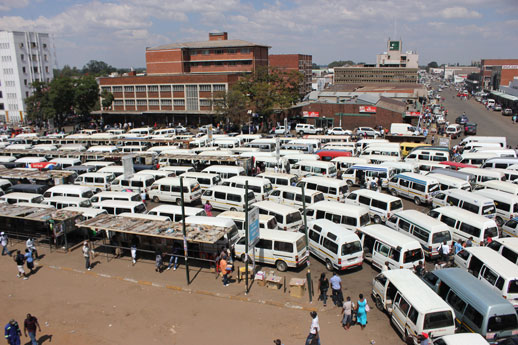
Ivan Zhakata
Herald Correspondent
Harare commuters have been urged to boycott unjustified fare increases by commuter omnibus operators in the absence of a regulated fare structure for local public transport.
In a statement, the Passengers Association of Zimbabwe (PAZ) said urban passengers, including workers and parents whose children commute to school daily, were being unfairly burdened by frequent fare hikes even though fuel and spare parts prices have remained stable.
“Passengers are going to work and parents are sending their children to school every day, yet they continue to face arbitrary fare hikes without any justification,” PAZ national coordinator Mr Tafadzwa Goliati said.
He said there were widespread fare discrepancies across the city.
“For example, a kombi from Mabvuku to Tafara should cost $1, but during peak hours operators are charging $1.50. Warren Park fares are supposed to be $0.50, yet commuters are paying $1.
“In Mapisa, the fare has doubled from $0.50 to $1, Glen Norah from $1 to $1.50 and in Chitungwiza peak-hour fares range between $1.50 and $2. If it rains, some operators add $0.50 to $1.50 on top of peak-hour fares,” Mr Goliati said.
Commuters have expressed frustration over the hikes.
Ms Tariro Chikwanha, a mother of two who commutes daily from Warren Park to the city centre, said the fare hike was unbecoming.
“I spend almost double what I used to on transport every week. It is becoming impossible to budget for other household needs,” she said.
Ms Tendai Moyo, who travels from Mabvuku to town for work echoed the same sentiments and said that during the rains, fares go up even more.
“A trip that should cost $1 now costs $2. We are being punished for circumstances we cannot control,” she said.
Mr Goliati questioned claims by some commuter omnibus operators’ groups that the increases were necessitated by roadblocks and congestion allegedly caused by touts and police operations.
He said the statutory instrument introduced during the inflationary period by former Local Government and Public Works Permanent Secretary Mr George Mlilo, which liberalised urban fares, remained in force as it was never repealed.
“The continued application of the statutory instrument has created room for abuse, allowing commuter omnibus operators to charge passengers as they wish,” Mr Goliati said.
He highlighted a regulatory disconnect between public transport operators. Long-distance buses are overseen by the Ministry of Transport and Infrastructural Development and adhere to an official fare structure.
In contrast, local urban transport, fall under the purview of the Ministry of Local Government and Public Works and operates without a standardised fare table.
“This makes it extremely difficult for law enforcement agents to enforce regulations and protect passengers.”
Mr Goliati appealed to the Ministry of Local Government and Public Works to urgently put in place a fare table for local distance transport.
“We call on the Ministry to act immediately to safeguard passengers from unchecked profiteering,” he said.
Mr Goliati encouraged passengers to seek alternative, affordable transport options where possible as authorities work towards addressing the regulatory gaps in the urban public transport sector.