admin
admin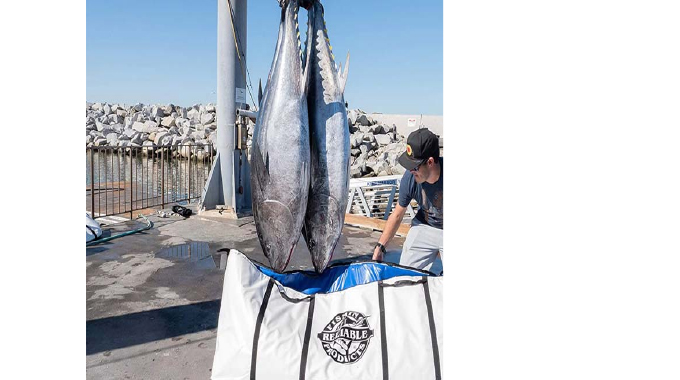
Introduction
Fish kill bags are essential for any passionate angler. They help keep your catch fresh while you’re out on the water. This guide will introduce you to fish kill bags, explaining why they’re essential and helping you choose the best one for your needs. We’ll also compare different fish bags and discuss their pros and cons.
Why you need a fish kill bag
Using a fish kill bag offers several benefits that ensure your catch remains fresh and safe. Here are some key points:
- Preservation: Fish kill bags help maintain the quality and safety of your catch by keeping it at proper temperatures, preventing spoilage and reducing bacterial growth.
- Portability: Fish kill bags are designed to be easy to carry. They often have handles or straps, making them convenient for transport.
- Efficiency: These bags are easy to use. They typically feature simple openings with secure closures like zippers or Velcro, ensuring that your catch stays secure and fresh.
By understanding these benefits, you can see why having a fish kill bag is more than just an accessory; it’s a vital tool for any angler aiming to enjoy fresh catches and maintain quality seafood.
For more insights on the importance of fish preservation, check out this .
Types of fish kill bags
come in various designs and are made from different materials. Here’s a closer look at the options you have:
Materials
- PVC: Known for its durability, PVC is resistant to wear and tear. It’s a good option for frequent fishermen.
- Nylon: Lightweight and easy to carry, nylon fish bags are ideal for day trips. They often come with additional insulation.
- Canvas: A more traditional option, canvas is robust and can be more eco-friendly.
Designs and features
- Insulated vs. Non-Insulated: Insulated fish kill bags are great for keeping fish cool for longer periods, while non-insulated bags are lighter and easier to carry.
- Closures: Look for bags with reliable zippers or Velcro closures to ensure they are easy to open and close while keeping the contents secure.
- Pockets and Compartments: Some bags come with additional pockets for storing ice packs or fishing gear, adding to their convenience.
Specific types
- Dry Bag: Dry bags are waterproof and can be used for more than just storing fish. They are versatile and great for multiple outdoor activities.
- Custom-Fit Bags: These are designed to fit specific types of fish or boats, making them highly efficient but less versatile.
By knowing the specific types and features, you can make a more informed decision on which fish kill bag suits your needs best.
Pros and cons of different fish kill bags
Understanding the advantages and disadvantages of various fish kill bags can help you decide which one is right for you. Here’s a quick comparison:
PVC Fish Kill Bags
Pros:
- Highly durable
- Resist wear and tear
- Often come with good insulation
Cons:
- Heavier than other materials
- Can be more expensive
Nylon Fish Kill Bags
Pros:
- Lightweight
- Easy to carry
- Usually cheaper
Cons:
- Less durable than PVC
- May require frequent replacements
Canvas Fish Kill Bags
Pros:
- Eco-friendly
- Long-lasting
- Can be repaired easily
Cons:
- Heavier than nylon
- Not as waterproof
For more information, you can check out these on fish kill bags.
By weighing these pros and cons, you can select a fish kill bag that aligns with your specific needs and conditions.
How to use a fish kill bag
Using a fish kill bag correctly ensures your catch stays fresh and safe to eat. Here’s a step-by-step guide to help you make the most out of your fish kill bag.
Step-by-Step Process
- Prepare the Bag: Before heading out, make sure your fish bag is clean. If it’s an insulated kill bag, pre-chill it with ice packs or ice blocks.
- Catch Placement: Once you catch a fish, bleed it immediately for better preservation. Place the fish in the bag quickly to maintain freshness.
- Add Ice: Pack ice around the fish to keep it cool. Ensure there’s enough ice to keep the fish cold for the duration of your fishing trip.
- Close the Bag: Properly seal the bag. If it’s a dry bag or has a zipper, ensure it’s fully closed to keep the cold air inside.
- Check Regularly: Throughout the day, check the ice levels and add more if needed to ensure continuous cooling.
Tips for Maintaining Freshness
- Use Ice Blocks: Ice blocks melt slower than ice cubes, ensuring longer cooling periods.
- Limit Bag Opening: Minimize how often you open the bag to keep the cold air inside.
- Keep Out of Direct Sunlight: Store the bag in a shaded area to extend the ice life.
Cleaning and Maintenance
- Empty the Bag: After your trip, empty the bag of all remaining ice and fish.
- Rinse Thoroughly: Use fresh water to rinse out any residues. Avoid using harsh chemicals that might damage the bag.
- Air Dry: Let the bag dry completely before storing it away to prevent mold and odors.
- Regular Inspection: Periodically check for any signs of wear and tear to ensure your bag remains effective.
For more detailed insights on proper fish storage, check out this Q/A on .
Fish Kill Bag vs. Fish Cooler Bag
Choosing between a fish kill bag and a fish cooler bag can be tricky, but both have unique benefits.
Fish Kill Bags
Fish kill bags are designed specifically to store fish after they are caught. They are often insulated and portable.
- Pros:
- Lightweight and easy to carry
- Typically have openings that allow for quick fish insertion
- Designed to keep fish fresh for extended periods
- Cons:
- May not keep fish as cold as long as cooler bags without frequent ice replenishment
- Limited space compared to larger cooler bags
Fish Cooler Bags
Fish cooler bags, on the other hand, serve broader purposes. These can store not only fish but also drinks, food, and other perishables.
- Pros:
- Multi-purpose usage
- Often has thicker insulation, keeping contents cold for longer
- Larger capacity, making them great for longer trips
- Cons:
- Heavier and bulkier, making them less portable
- More expensive than standard fish kill bags
Factors to consider when choosing a fish kill bag
When choosing a fish kill bag, several factors will help guide your decision:
- Size: Ensure the bag is large enough to hold your largest catch.
- Material: Common materials include PVC and nylon. PVC is durable and easy to clean, while nylon is lighter.
- Insulation: Opt for insulated bags to keep fish fresher for longer periods. Non-insulated bags are lighter but less effective in temperature control.
- Durability: Look for strong zippers, quality stitching, and reliable closures.
- Price: Prices vary widely. Consider your budget without compromising on quality.
Recommendations for best fish kill bags
Here are some top-rated fish kill bags based on expert and consumer reviews:
Calcutta Pack Fish Cooler Bag
- Features: Insulated, heavy-duty PVC material, leak-proof design.
- Benefits: Highly durable, excellent insulation, easy to clean.
- Price: Moderate
Reliable Fishing Products Kill Bag
- Features: Durable vinyl-coated polyester, thick insulation, UV-resistant.
- Benefits: Keeps fish fresh for hours, highly durable and easy to store.
- Price: Premium
Canyon Insulated Fish Cooler Bag
- Features: Thick insulation, reinforced carry handles, high-capacity.
- Benefits: Strong and reliable, excellent for large catches, highly portable.
- Price: High-end
Boone Monster Fish Bag
- Features: Heavy-duty PVC, thick insulation, integrated drain plug.
- Benefits: Leak-proof, easy to drain, durable.
- Price: Moderate to high
Choosing the right fish kill bag can greatly enhance your fishing experience. Ensure you pick a bag that suits your needs and fits your budget.



 Online Reporter