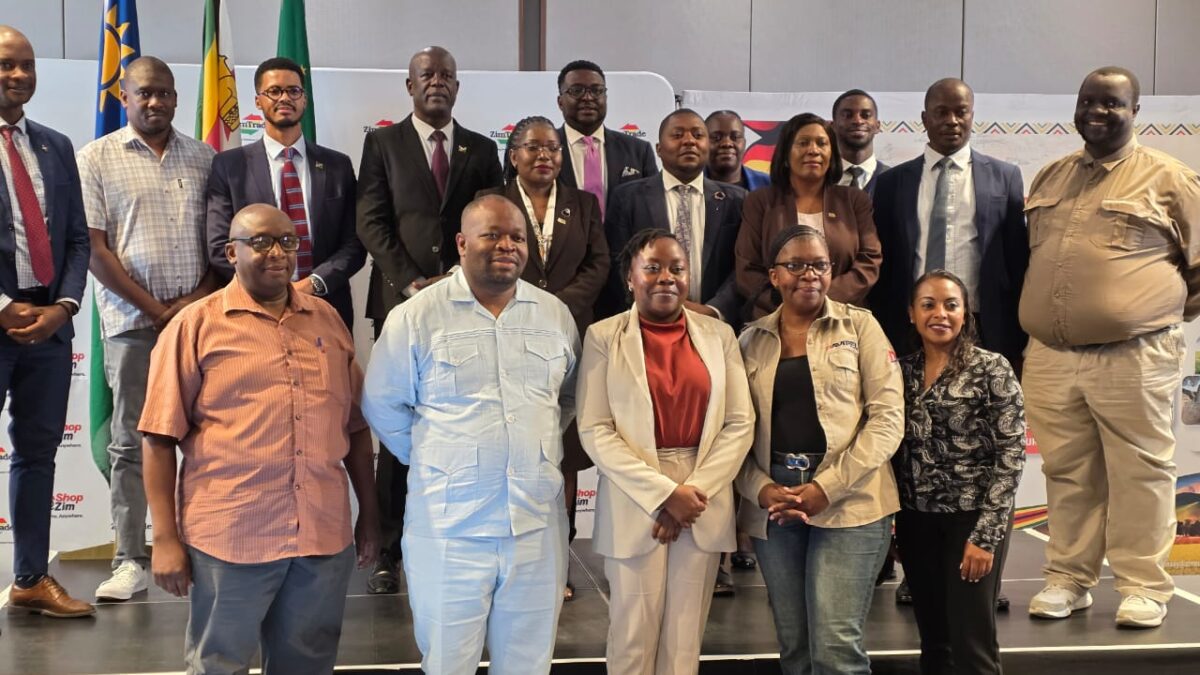
Prosper Ndlovu in WINDHOEK, Namibia
ZIMBABWE and Namibia businesses are agreed that longstanding political and diplomatic ties between the two states provide a strong foundation for collaboration, building productive capacity and accelerating trade and exports in the region and beyond.
It is because of this realisation that businesses and trade-support institutions from the two countries are intensifying engagement aimed at expanding market access, promoting investment and developing partnerships that can strengthen regional value chains.
The development comes as Zimbabwe intensifies its economic diplomacy drive, anchored on expanding trade, investment, tourism and economic collaboration while positioning local businesses to access regional and international markets.
Speaking at a business forum hosted for the Zimbabwe Trade Mission to Namibia in Windhoek, Zimbabwean Ambassador to Namibia Ms Melody Chaurura said the trade mission fitted into Zimbabwe’s economic diplomacy thrust and offered businesses from both countries an opportunity to build lasting commercial partnerships.
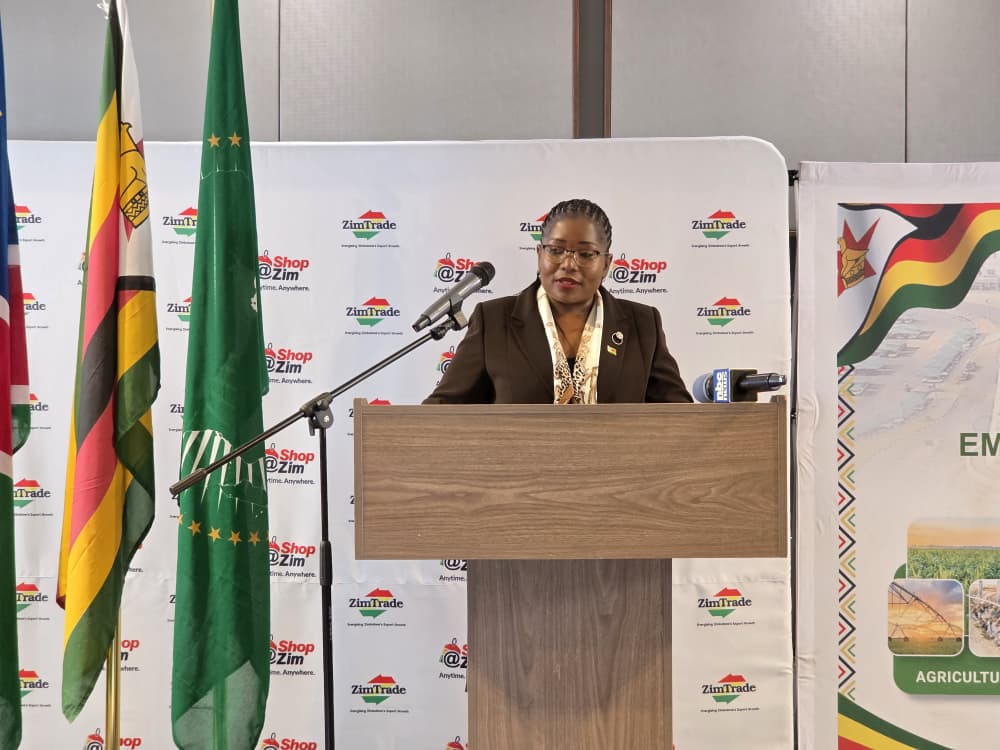
“Together, we can transform this mission into a milestone of economic growth and shared prosperity,” she said.
The three-day trade mission, organised by ZimTrade, has brought together Zimbabwean and Namibian businesses and trade-support institutions to explore opportunities across agriculture, alcoholic beverages, educational services, engineering services, fast-moving consumer goods, stock feed, horticulture and logistics.
At the meeting ZimTrade southern region manager Jacqueline Nyathi outlined Zimbabwe’s diverse trade and investment opportunities, while highlighting Namibia’s strategic importance as a gateway to wider western African markets through Walvis Bay, where Zimbabwe operates a dry port.
Zimbabwe has comparative advantage in sectors including manufacturing, mining, agriculture, human capital development and recently steel production, while its industrial and agricultural base and skills pool offer potential for partnerships in education, mining, manufacturing, engineering, construction and agro-processing.
Namibia, meanwhile, presents opportunities in agriculture and agro-processing, manufacturing, mining and mineral beneficiation, pharmaceuticals, logistics, services, tourism and renewable energy.
Namibian Ministry of International Relations and Trade Promotion Deputy Director Mr Sakeus Kapenda said the next phase of bilateral relations should be defined by tangible economic activity, rather than political goodwill alone.
“Strong bilateral trade between Zimbabwe and Namibia must be expressed in growing volume of trade, investments and economic synergies,” Mr Kapenda said.
He said the two countries had complementary capabilities that could be combined to create economies of scale and regional value chains, with cooperation going beyond simply increasing the movement of finished products between the two markets.
The emphasis on production, value addition and joint ventures presents an opportunity for Zimbabwean and Namibian companies to combine capital, technology, raw materials, skills and market access to produce goods for both domestic and wider African markets.
Agriculture and agro-processing offer particular scope, with Namibia’s drive to enhance food security, irrigation and infrastructure matching Zimbabwean expertise in irrigation systems, engineering and construction.
The countries are also strengthening the institutional framework for business cooperation.
Mr Kapenda welcomed the signing of a Memorandum of Understanding between ZimTrade and the Namibia Investment Promotion and Development Board (NIPDB), as well as renewed cooperation between Namibia’s Ministry of International Relations and Trade and ZimTrade.
The agreements are intended to facilitate business linkages, support exporters and investors as well as deepen cooperation in priority sectors.
For Zimbabwe, Namibia’s strategic location and access to the Port of Walvis Bay provide an important logistical advantage, while Namibia can tap into Zimbabwe’s diversified production base and professional skills.
The two countries’ historic ties, dating back to the liberation struggle, provide a strong political foundation. The emerging focus on economic synergies now offers an opportunity to translate that solidarity into increased production, investment, trade volumes, exports, jobs and regional value chains.
Business leaders have said that the trade mission provides an important platform for businesses to move beyond traditional buyer-seller relationships and develop partnerships capable of creating new productive capacity, expanding exports and strengthening the contribution of Zimbabwe and Namibia to intra-African trade.