Fairness Moyana in Hwange
RESIDENTS and civic groups in Hwange have called on the Government to prioritise road rehabilitation and ensure communities in mining areas directly benefit from the wealth generated from their natural resources.
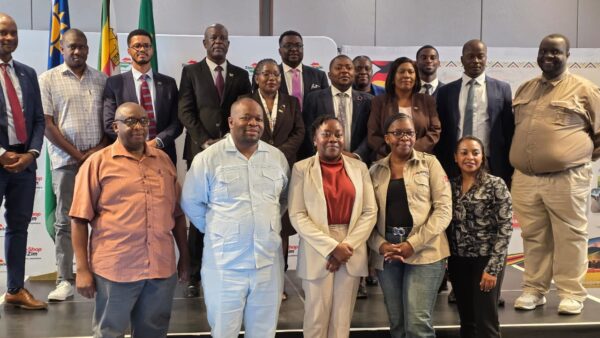
The call was made during Parliament’s consultations on the 2027 National Budget in Hwange, where deteriorating road infrastructure emerged as the dominant concern in Matabeleland North.
Residents argued the province was contributing significantly to the national fiscus through mining and tourism, yet its infrastructure remained inadequate to support economic activity and improve the lives of communities.
The Parliamentary Portfolio Committee on Budget, Finance and Investment Promotion is conducting consultations across the country to gather citizens’ views that will inform the formulation of the 2027 National Budget.
A resident, Mr Public Nkomo, said Matabeleland North generated substantial revenue from tourism and mining, particularly coal and lithium, but continued to lag in infrastructure development.
“We are in a province which we believe is injecting a lot of money into the fiscus, taking cognisance of tourism resources such as hotels and wildlife and mining that is coal and lithium,” he said.
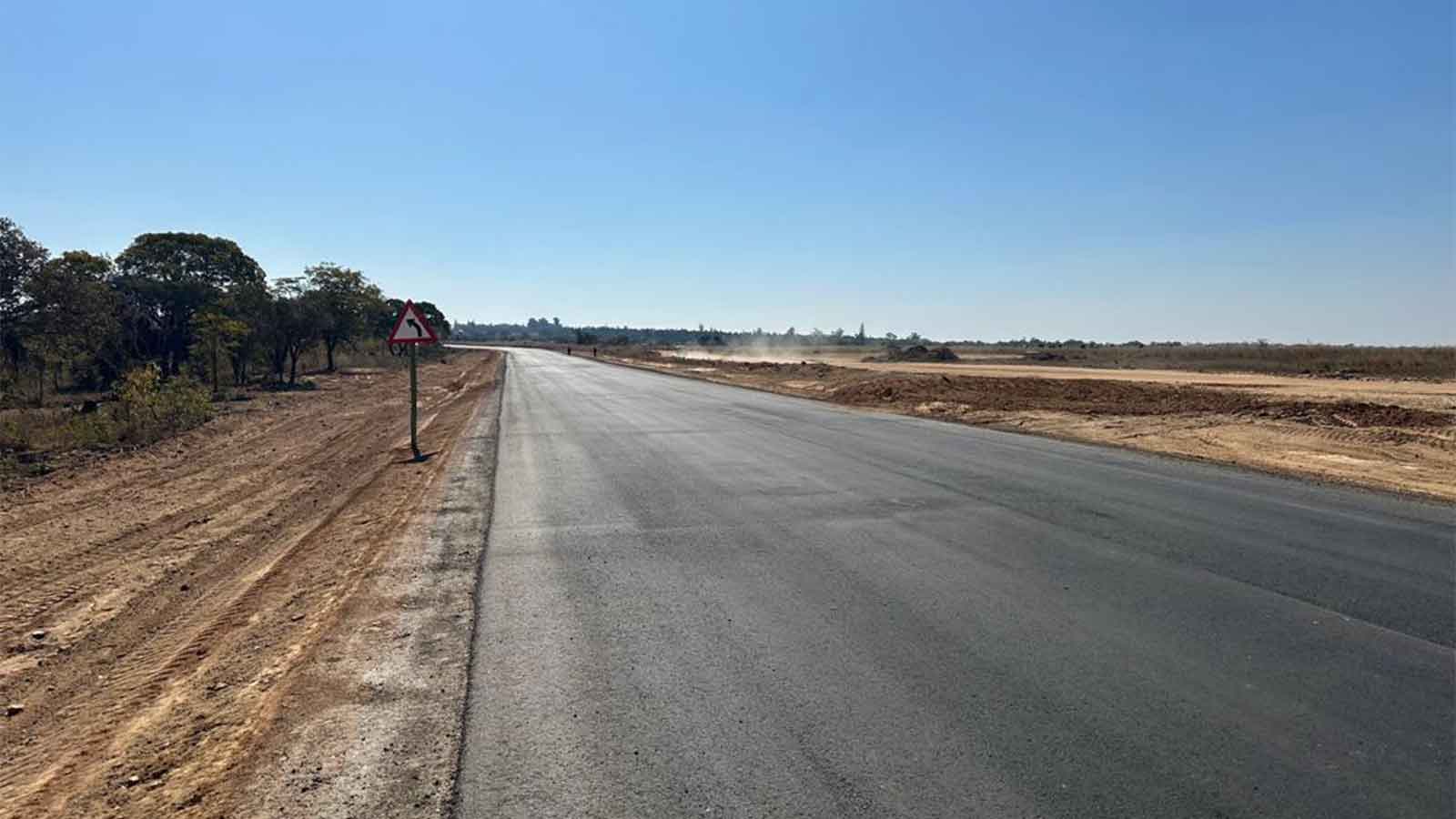
“What makes an economic activity in an area is the road network. The road is like an artery that carries blood in the body feeding the other parts.”
Residents called for the speedy rehabilitation of major roads, including the Bulawayo-Victoria Falls, Cross Dete-Binga and Lupane-Kwekwe roads.
They also urged Government to ensure a significant portion of tollgate revenue collected in the province was channelled towards road maintenance.
Mr Ranganai Moyo said road infrastructure should be prioritised because communities and businesses depended on an efficient road network.
“We need to prioritise the road network infrastructure in the province. A larger portion of the money we are getting from tollgates should be directed towards fixing the roads,” he said.
Beyond infrastructure, civic groups called for greater transparency and accountability in the collection and use of the corporate social responsibility (CSR) levy paid by mining companies.
Mr Nkosi Sibanda said although the levy, covering between one and three percent of gross revenues from coal, lithium, granite, quarry stone and other gemstones, was being collected, there was no clear mechanism to ring-fence the funds and ensure they returned to mining communities.
“We are saying Parliament should advocate for the ring-fencing as per the framework that was agreed on and that there be a mechanism for disbursement of those funds back to the mining communities,” he said.
Residents also expressed concerns over access to healthcare. Ms Josephine Tokonye said hospitals in Hwange were facing shortages of medicines and other basic services.
She said some residents were forced to cross into Zambia to seek medical treatment, which they found more affordable.
The consultations also highlighted the environmental and social costs associated with mining and coal-fired power generation.
Community representatives called for increased funding for the Environmental Management Agency (EMA) monitoring and enforcement, rehabilitation of polluted rivers, improved access to safe water and healthcare for people affected by mining-related illnesses.
They also called for fair compensation for families displaced by mining and power projects, as well as the ring-fencing of a portion of coal and power-generation revenues for local development.
Women’s groups called for increased funding for women’s economic empowerment programmes, affordable financing, access to markets and productive assets, particularly for women in rural communities.
They also urged Government to invest in water, electricity, healthcare, childcare, sanitation and public transport to reduce the burden of unpaid care work on women.
Youth quota legislator for Matabeleland South and Team C leader, Mr Tinashe Mushipe, said the submissions gathered during the consultations would be consolidated and presented to Parliament.
He noted citizens had demonstrated an understanding of the national budgeting process and were making informed submissions on both expenditure priorities and revenue sources.
The consultations, Mr Mushipe said, were being conducted in line with Parliament’s constitutional mandate under Section 141 of the Constitution and Section 28(5) of the Public Finance Management Act.
“We then consolidate these views and table a report in Parliament, which will then be debated by
Members of Parliament as we formulate the 2027 National Budget,” he said.
Mr Mushipe said the citizens’ views would inform Parliament’s debate on the 2027 National Budget.