Chronicle Editor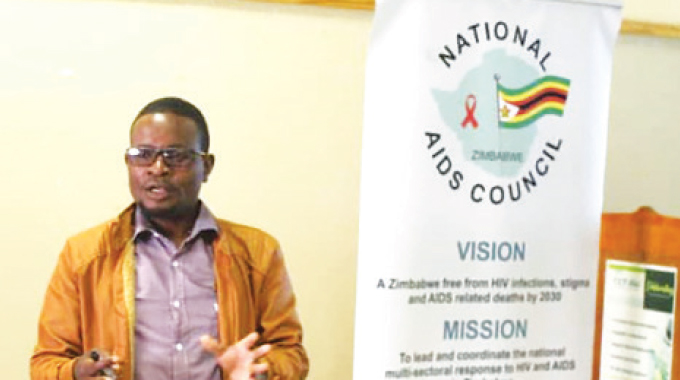
Hatred Zenenga recently in Chinhoyi
IN Zimbabwe’s cities and towns, a quiet revolution is underway. The Government is tackling a pressing challenge that lies at the intersection of drug abuse and the HIV epidemic.
Fabian Musoro, the Mental Health manager from the National Committee on Drug and Substance Abuse, in the Ministry of Health and Child Care, takes the stage at a recent National Aids Council workshop for media Editors and Station Managers, his voice brimming with conviction. He outlines the Government’s comprehensive strategy, rooted in the Zimbabwe National Drug Master Plan 2020 and the Zimbabwe Multi-Sectoral Action Plan on Substance Use 2024.
The plan spans seven critical areas — from supply reduction to demand reduction, and harm reduction to community reintegration. At the heart of this ambitious initiative lies a recognition of the direct link between drug abuse and increased vulnerability to HIV transmission.
“Drug use can compromise erectile function, leading to improper condom usage,” Musoro explains, his eyes scanning the audience. “It can also weaken the immune system in people living with HIV, making them more susceptible to the virus.”
The Government’s response is multifaceted. Healthcare workers are trained on the WHO Mental Health Gap (mhGAP) programme, equipping them to address mental health conditions and substance abuse. Primary care clinics now provide health education on the dangers of drug use, empowering communities to make informed decisions.
But the true game-changer lies in the realm of harm reduction. Zimbabwe has ramped up the distribution of condoms, pre-exposure prophylaxis (PrEP) medicines, and early treatment of sexually transmitted infections (STIs) across the country. The nation has even been recognised for boasting the best condom distribution success rate in the Sadc region.
Yet, Musoro acknowledges the challenges that persist. Ensuring adherence to antiretroviral therapy (ART) among people living with HIV who struggle with substance abuse remains a critical hurdle. Forgetfulness, mental health disorders, and drug interactions can all undermine adherence, leading to reduced viral load suppression, advanced HIV disease, and an increased risk of drug resistance.
To tackle these obstacles, the Government is implementing an enhanced programme of follow-up and defaulter tracing. Healthcare workers are also trained to identify and address the unique needs of people living with HIV who grapple with substance abuse.
Musoro’s presentation came ahead of President Mnangagwa’s launch of the nation’s new Multi-Sectoral Drug and Substance Abuse Plan last week for 2024-2030. The President’s words during the launch carried a sense of urgency and determination, as he recognised the scourge of drug abuse as a grave threat to the health, security, and development of Zimbabwe.
“This public health concern is undermining the social fabric of our beautiful nation, particularly the youth who are the productive segments of our economy,” the President declared. He spoke of the devastating global statistics — 3,3 million drug-related deaths per year and 15,3 million people with drug use disorders. Zimbabwe, he acknowledged, has not been spared from this crisis.
But the tone was not one of despair. Rather, the President expressed confidence that through a “Whole of Government and Society approach,” Zimbabwe could overcome this challenge and forge a “Healthy and Secure Nation Free From Illicit Drugs and Substances.” The multi-faceted plan laid out clear pillars of action — supply reduction, demand reduction, harm reduction, treatment and rehabilitation, and community reintegration.
The President challenged all Zimbabweans to play their part — from social scientists providing critical data, to content creators promoting responsible messaging, to families and youth taking ownership of the issue. “It takes a village to raise a child,” he reminded the audience. And Zimbabwe, he said, is that village, united in its sacred duty to preserve the nation’s ethos, principles, and cultural identity.
President Mnangagwa is confident that Zimbabwe will overcome this scourge and forge an even brighter future for its people. The path ahead was clear, and the President called on all Zimbabweans to join hands in saying “No to Drugs and Yes to a Drug-Free Zimbabwe.”
Zimbabwe’s comprehensive approach to this public health crisis reflects its unwavering commitment to the well-being of its citizens. By combining evidence-based interventions and a holistic perspective, the nation is paving the way for a healthier, more resilient future — one where drug abuse and HIV no longer hold sway over the lives of the people.


 Online Reporter