Chronicle Editor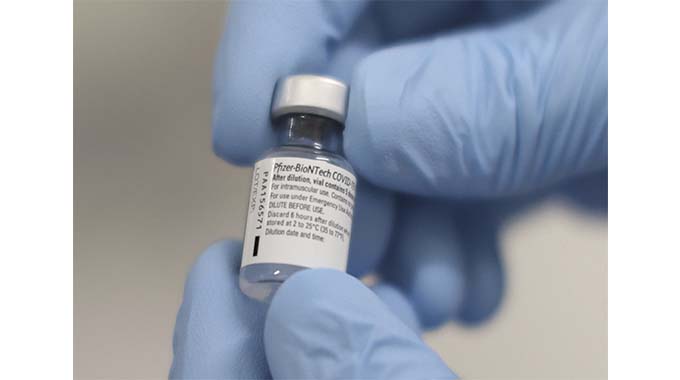
UK regulators have issued precautionary advice after two British healthcare workers developed a severe allergic reaction to the new Covid-19 vaccine from Pfizer and BioNTech. Scientists have been quick to reassure the public that the vaccine is safe, saying that while reactions to new vaccines can occur, severe reactions are rare.
The British vaccination campaign against Covid-19 had barely begun when it hit its first snag.
On 9 December Two staff working for the British National Health Service (NHS) had an allergic reaction after they received the vaccine developed by Pfizer in collaboration with BioNTech. Both were treated quickly and were recovering well, authorities in the UK confirmed.
The UK Medicines and Healthcare products Regulatory Agency has since issued a precautionary warning, advising people not to get inoculated with the Pfizer vaccine if they have a history of acute allergic reactions.
An advisory panel of US experts said Thursday they would follow Britain’s lead with an allergy warning after recommending emergency approval there for the Pfizer vaccine.
“This is appropriate advice,” Dr Louisa James, an immunology researcher at Queen Mary University in London, told FRANCE 24. “We now know that the two people concerned had a medical history and carried treatment to deal with strong allergic reactions.”
The two healthcare workers were carrying Anapen, an emergency treatment of adrenaline injected into the body in case of anaphylactic shock, which manifests as a severe allergic reaction.
According to Allergy UK, one in 1 000 people are at risk of anaphylactic shock after exposure to an allergen they have a sensitivity to. This type of allergic response “affects the cardiovascular, respiratory and gastrointestinal systems and causes severe skin rashes.
The blood pressure can drop and breathing can become difficult,” Professor Saad Shakir, director of the Drug Safety Research Unit, a British health NGO, said in an interview with the Science Media Centre website. In the case of the two NHS workers, however, neither had anaphylaxis, which is a more extreme reaction that can even be fatal.
“It appears to be an anaphylactoid or pseudo-anaphylactic reaction, which leads to similar but less severe symptoms,” Professor Shakir explained.
Anaphylactoid reactions are linked to certain foods or medicines but also vaccines, including the annual flu jab.
“Cases of severe allergic reactions have been reported for all vaccines, but they remain rare,” Nilsson Lennart, a researcher at the Linköping Allergy Centre in Sweden and the author of a 2017 study on vaccines and allergies, told FRANCE 24. He added that cases of anaphylactic shock typically occur at a rate of 1.5 for every one million doses of vaccine administered.
The pharmaceutical industry widely recogises the risk of allergic reaction and Pfizer knew it existed in the case of its Covid-19 vaccine.
Pinpointing exactly what led to the allergic reaction may have its challenges as the Pfizer vaccine employs completely new technology, with no precedent for comparison. Yet investigations may lead to an ingredient commonly used in older vaccines.-France24.



 Online Reporter