Online Reporter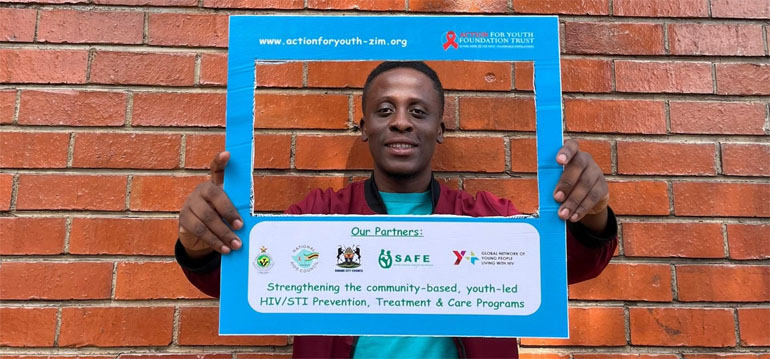
Tendai Gukutikwa
Health Reporter
YOUNG people in Manicaland have been strongly encouraged to make condom use a consistent habit, as it remains a frontline defence against sexually transmitted infections (STIs), unintended pregnancies, and HIV and AIDS.
Action for Youth Foundation Trust director, Mr Marvin Musekiwa, emphasised that condoms are among the most effective and accessible tools safeguarding youths from life threatening infections and unplanned parenthood.
In an interview, Mr Musekiwa warned that neglecting protection is leaving thousands of young people across the province vulnerable to disease and early pregnancies—disrupting education and jeopardising future prospects.
He added that they are intensifying awareness campaigns in schools, colleges, and communities to promote consistent condom use among sexually active youths.
“Condoms save lives. They stop STIs, prevent HIV, and block unwanted pregnancies. Young people must use them every time. We are encouraging young people to use condoms at all times because condoms are a proven shield against HIV, STIs and unintended pregnancies. It is a simple decision that can save lives and protect futures,” he said.
Mr Musekiwa said despite years of awareness campaigns, many youths continue to engage in unprotected sexual activity, exposing themselves to serious health risks.
“Awareness levels are relatively high, but behaviour change is still a challenge. Many youths know about condoms, but they are not using them consistently, and that is where the danger lies,” he said.
Recent statistics paint a concerning picture.
According to the 2025 population-based survey published in BMC Infectious Diseases, conducted by Zimbabwean and international researchers under the Chiedza Programme, only 33,9 percent of sexually active youths reported consistent condom use, while 39,5 percent reported using a condom during their last sexual encounter.
Mr Musekiwa said these figures indicate a significant gap between knowledge and practice, with many young people still vulnerable to infections.
He said they have stepped up community outreach programmes aimed at bridging this gap by promoting practical behavioural change among youths.
“We are going into communities, schools and tertiary institutions to engage young people directly. We are, not only distributing condoms, but also teaching correct and consistent use,” he said, adding that cultural stigma and misconceptions continue to hinder condom uptake among young people. “There are still myths that condoms reduce pleasure or are not necessary in certain relationships. Some youths are shy to buy or even carry condoms, fearing judgement from society. These attitudes are putting lives at risk,” he said.
The survey also revealed gender disparities in condom use, with young women significantly less likely to use condoms compared to their male counterparts.
Mr Musekiwa said this highlights the need for targeted interventions that empower young women to take control of their sexual and reproductive health.
“We need to empower girls and young women to negotiate safe sex. Condom use should not be a male-dominated decision. Both partners must take responsibility,” he said, further noting that married youths are among the least likely to use condoms, with only 5,6 percent reporting consistent use, a trend that increases their vulnerability to HIV and STIs. This shows that there is a dangerous assumption that marriage automatically guarantees safety, which is not always the case. People must understand that protection is still important,” he said.
Zimbabwe, like many countries in sub-Saharan Africa, continues to face a high burden of HIV and STIs, particularly among young people aged between 15 and 24, who are considered one of the most at-risk groups.
Mr Musekiwa said peer pressure, substance abuse, and lack of access to youth-friendly health services are some of the factors contributing to risky sexual behaviour among youths.
“Youths are often influenced by their peers and end up making decisions without considering the consequences. That is why we are promoting peer education programmes where young people educate each other on safe practices,” he said, stressing that condom use should be normalised and integrated into everyday conversations among youths.
Mr Musekiwa also called on parents, community leaders and schools to play an active role in educating young people about sexual health.
He urged stakeholders, including government and non-governmental organisations, to invest more in youth-focused sexual health programmes.