shloboe boe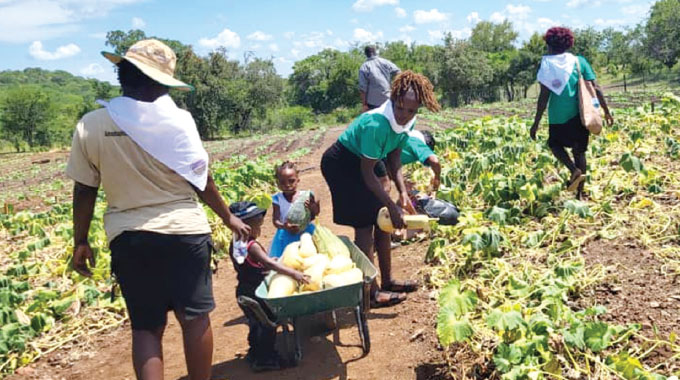
FOR years, the community of Kasibo in Ward 9, Hwange District, Matabeleland North Province, faced immense challenges in sustaining livelihoods due to erratic rainfall and declining agricultural productivity, compounded by El Niño-induced droughts.
Yet, a transformative wetland conservation initiative has shifted the narrative, empowering villagers to thrive through horticulture, orchard farming, and beekeeping.
Kasibo, situated approximately 30km from Hwange Town, had a 2-hectare wetland that was underutilised for years.
However, through a community-driven project supported by the Government, the Environmental Management Agency (EMA), the Agricultural and Rural Development Advisory Services (Ardas), the Hwange Rural District Council, and development partners such as the World Food Programme (WFP) and World Vision, the wetland has become a vital source of sustenance and income for 40 households in Ward 9.
One of the most significant achievements of this project has been the construction of two weirs, which are crucial during periods of drought.
The creation of a 2-hectare garden has been pivotal in improving the livelihoods of local families.
Through these efforts, the wetland has been revitalised, providing both food security and economic empowerment, particularly for women and youth.
Ms Juliet Nyoni, chairperson of the Kasibo Garden, highlighted the role of community mobilisation in saving the wetland.
“With support from EMA, World Vision, and WFP, we fenced off the wetland, and it slowly regenerated.
The weir filled with water during the rainy season, and we began farming,” she said.
The project has allowed residents to cultivate a variety of crops, including cabbages, butternuts, tomatoes, onions, and leafy greens, ensuring year-round harvests and local market supply.
For Ms Senzeni Ngwenya, a beneficiary, the transformation has been life-changing.
“Our traditional farming methods had failed due to climate change, but now I grow vegetables year-round and even sell to local markets and schools. This project has given us financial independence,” she said.
The project also includes an orchard with citrus fruits, mangoes, guavas, and indigenous fruit trees.
Despite the challenges posed by the 2023-24 El Niño drought, Kasibo’s farmers managed to maintain crop production, showcasing the resilience and adaptability fostered by the initiative.
Moreover, beekeeping has become another profitable endeavour, with locals like Mr Bernard Ndlovu reporting stable incomes from honey sales. “I no longer depend on unreliable rainfall; this project provides a steady source of income for my family,” he said.
Chief Whange of the area praised the wetland project for its dual role in economic development and environmental conservation. “We have learned the importance of protecting wetlands. They play a critical role in water conservation and biodiversity,” he noted, highlighting the community’s shift from degradation to sustainable management.
The initiative also aligns with national and international sustainability goals, including the United Nations’ Sustainable Development Goals (SDGs). It is a model that not only enhances local livelihoods but also contributes to the preservation of critical ecosystems, demonstrating the power of community-driven environmental stewardship.
In a region once overshadowed by climate challenges, Kasibo’s wetland project has become a beacon of hope, illustrating how sustainable agriculture and conservation efforts can empower communities to thrive.


 Online Reporter