Online Reporter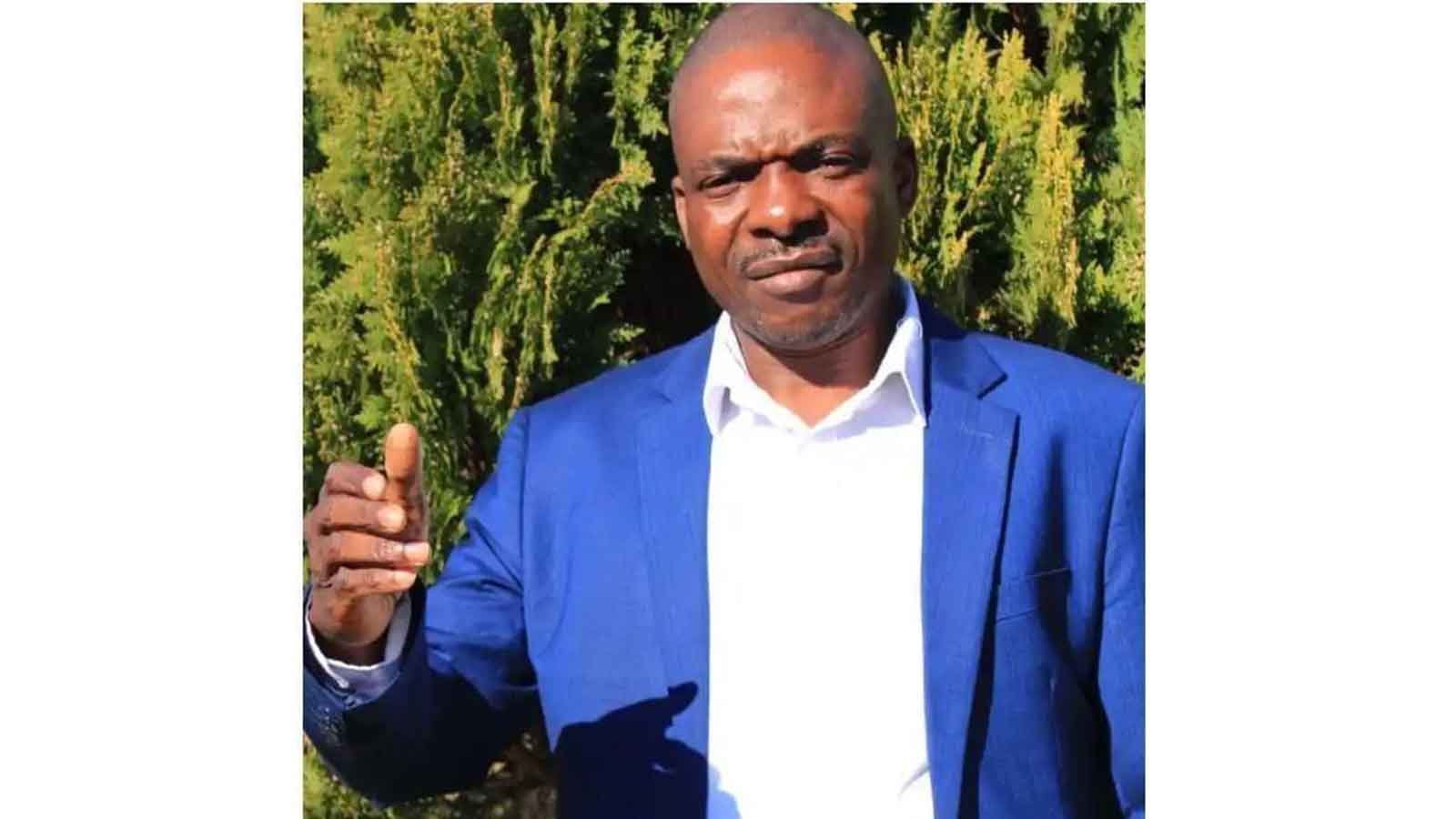
Online Reporter
The Constitution of Zimbabwe Amendment (No. 3) Act will strengthen the country’s constitutional democracy, reduce recurring post-election disputes and create a more stable governance framework that allows greater focus on national development, the leader of an emerging opposition party has said.
In an interview, People’s Unity Party (PUP) leader Mr Herbert Chamuka, said the constitutional reforms would enhance Zimbabwe’s democratic credentials and align the country’s governance framework with practices adopted in some countries within the region.
“Ensuring that the leader of the country will be elected through Parliament will ensure that we rid our electoral processes of needless disputes post-elections,” he said.
“Since the 2000 elections, we have had countless disputes over electoral outcomes, with some parties becoming synonymous with alleging that elections would have been rigged in favour of the incumbent.
“Having Parliament decide the leader of the country will ensure that these disputes are a thing of the past.”
Mr Chamuka also welcomed the extension of the electoral cycle from five years to seven years, saying the longer tenure would provide governments with sufficient time to implement long-term development programmes without being distracted by frequent election campaigns.
He said the previous electoral cycle often placed governments in a perpetual campaign mode, limiting their ability to fully execute projects with long implementation periods.
“The electoral cycles before the enactment of the reforms were too short, in my opinion,” he said.
“The incumbent barely had enough time to see through long-term developmental projects that have longer gestation periods.
“This, in the end, led to the stalling or abandonment of critical developmental projects.
“With longer electoral cycles we will ensure that there is adequate time to see through developmental projects.”
President Mnangagwa signed the Constitution of Zimbabwe Amendment (No. 3) Act into law on July 7 after it was passed by Parliament.
Among its key provisions, the Act extends electoral cycles for Parliamentary and local government elections from five to seven years.
Mr Chamuka said the extensive parliamentary debate preceding the enactment of the constitutional amendments demonstrated that national interests should take precedence over partisan politics.
He said Parliament, as the elected representative of the people, remained the appropriate forum for deliberating and deciding constitutional reforms.
“The numerical representation in Parliament reflects the will of the people and should encourage cooperation between the ruling party and the opposition on matters of national importance,” he said.
Mr Chamuka said constitutional reforms should ultimately be judged by their ability to promote political stability, strengthen democratic institutions and create an environment conducive to sustained economic development.