

 Online Reporter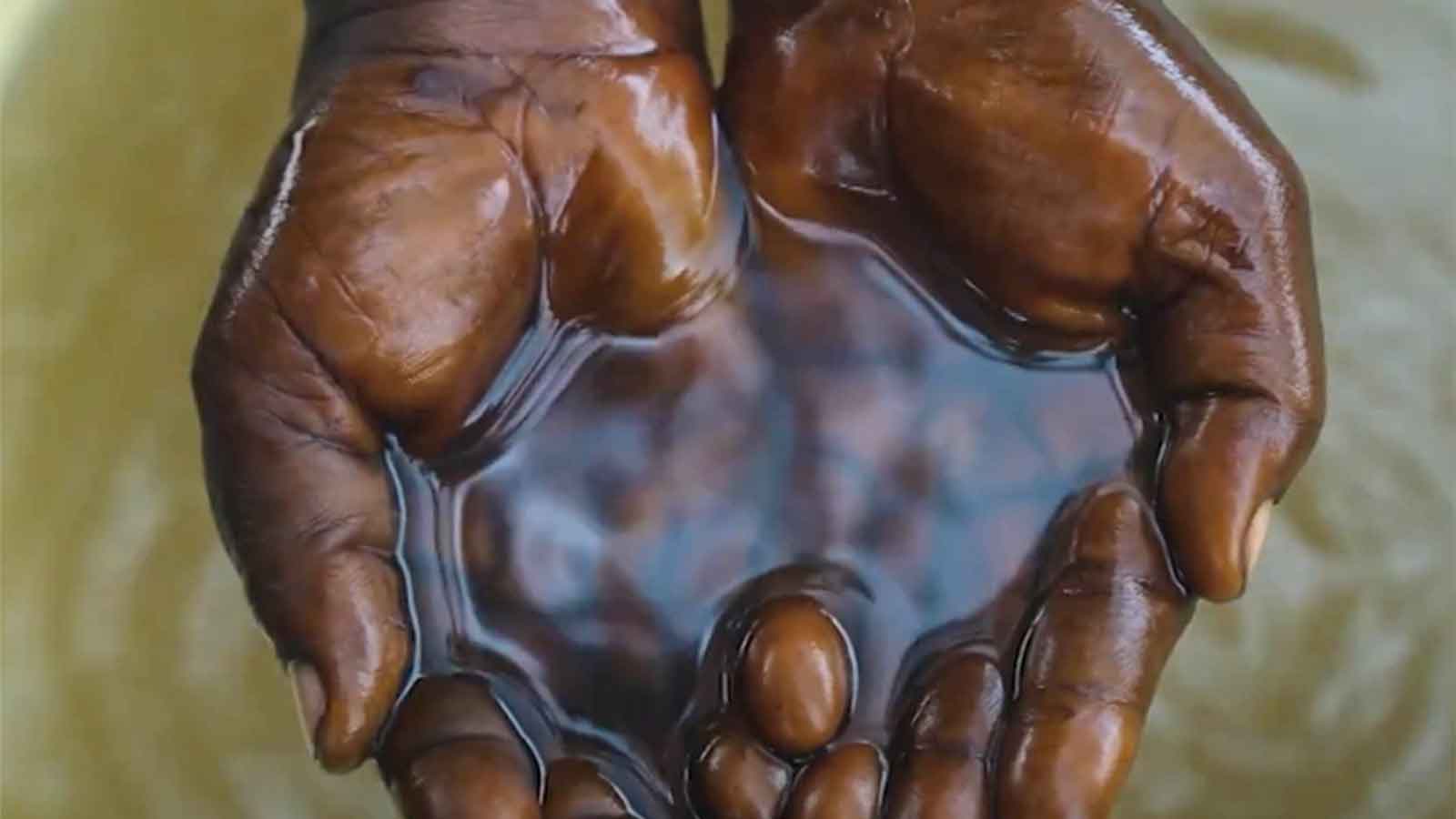
The Herald, 28 April 1989
CONTAMINATION of drinking water from human waste in the Burma Valley commercial farming area in Manicaland has worsened, but people continue to draw the water.
This had posed a great danger to the health of people in the rural areas as contaminated drinking water could act as a transmitter of diseases such as dysentery, cholera and typhoid.
A research paper published in the Central African Journal of Medicine says contamination is high during the rainy season because flooding flushes human wastes into rivers.
The researchers said efforts should be made to keep drinking water clean, as epidemiological evidence suggested that the transmission of endemic diarrhoeal disease in poor communities was more often water washed than water-borne.
The research was conducted in the Burma Valley, where researchers found that drinking water was still got from unprotected sources. Unlike most communal areas, wells were not a common water source in the Burma Valley and most of the water was not filtered or treated.
Researchers suggested that the bacterial quality of the water could be improved by sand filtration and by boiling the water. Researchers found that up to two-thirds of the population in the valley could be drinking contaminated water.
They recommended that borehole water be provided as it was cleaner. But it was too expensive to provide boreholes for all people in the area. The alternative was digging shallow protected wells which would provide clean water for more people. The quality of borehole water was significantly better than that of rivers, piped or piped mountain stream water.
The bacterial contamination of drinking water sampled in household containers was lower than that sampled at the source of supply suggesting that much contamination took place during collection.
Lessons for today:
Contaminated drinking water directly threatens life, exposing communities to diseases such as cholera, typhoid, and dysentery. Access to safe water is not optional, it is a fundamental health requirement, especially in rural areas.
Contamination increases during the rainy season, when flooding washes human waste into rivers. Low-cost, appropriate technologies can significantly improve health outcomes when large-scale infrastructure is unaffordable. Boreholes were cleaner but too expensive to supply universally, prompting alternative recommendations.
The passage teaches that safe water, health, poverty, infrastructure, and behaviour are deeply interconnected. Without affordable, protected water sources and practical health interventions, rural populations remain trapped in preventable cycles of disease.



