Chronicle Editor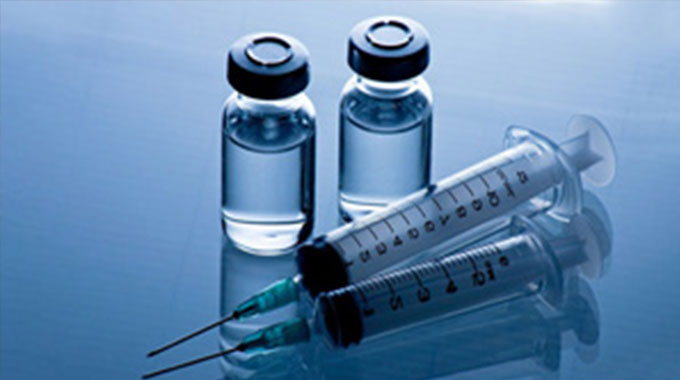
No. Vaccines against pneumonia, such as pneumococcal vaccine and Haemophilus influenza type B (Hib) vaccine, do not provide protection against Covid-19.
The virus is so new and different that it needs its own vaccine. Researchers are trying to develop a vaccine against Covid-19, and WHO is supporting their efforts.
Although these vaccines are not effective against Covid-19, vaccination against respiratory illnesses is highly recommended to protect your health.
Can regularly rinsing your nose with saline help prevent infection with the new coronavirus?
No. There is no evidence that regularly rinsing the nose with saline has protected people from infection with the new coronavirus.
There is some limited evidence that regularly rinsing nose with saline can help people recover more quickly from the common cold.
However, regularly rinsing the nose has not been shown to prevent respiratory infections.
Can eating garlic help prevent infection with the new coronavirus?
Garlic is a healthy food that may have some antimicrobial properties.
However, there is no evidence from the current outbreak that eating garlic has protected people from the new coronavirus.
Does the new coronavirus affect older people, or are younger people also susceptible?
People of all ages can be infected by Covid-19. Older people, and people with pre-existing medical conditions (such as asthma, diabetes, heart disease) appear to be more vulnerable to becoming severely ill with the virus.
WHO advises people of all ages to take steps to protect themselves from the virus, for example by following good hand hygiene and good respiratory hygiene.
Are there any specific medicines to prevent or treat the new coronavirus?
To date, there is no specific medicine recommended to prevent or treat Covid-19.
However, those infected with the virus should receive appropriate care to relieve and treat symptoms, and those with severe illness should receive optimised supportive care.
Some specific treatments are under investigation, and will be tested through clinical trials. WHO is helping to accelerate research and development efforts with a range or partners. —WHO



 Online Reporter