Online Reporter
Gibson Nyikadzino, Zimpapers Politics Hub
THE patriarchal order of society has always given credence to the political heroism of men and being selective on the role played by women who shared the same heroism and bravery to attain similar freedoms that everyone enjoys following the defeat of colonialism in 1980.
It becomes an unconscionable intellectual and practical political excursion to place women at the back of Zimbabwe’s war of liberation.
But what has to be blamed is patriarchy for its penchant to ascribe status, roles and give authorisation on what a particular gender did greatly at the expense of the other.
What this tends to overlook is that Zimbabwe’s liberation story was not a gender specific issue, but a story of the unity that was forged by women and men of a collective identity to overthrow the racist colonial Ian Smith establishment.
The women demonstrated bravery, the ability to lead, the intent to organise militarily and prioritise discipline and dedication to the cause of liberation, thus their dedication cannot be measured and the quantum of their commitment is immeasurable.
Overlooking such bravery of women at the hoisting of patriarchal attitudes can only be interpreted as the deliberate ploy to place women on the sidelines, push them back into the private sphere, as mothers, wives, or people who take care of the family.
To remove women from the public sphere, in other jurisdictions the patriarchal setup has legislated laws defining women’s roles in relation to their dependence on men — placing them beside the father, brother, husband, and or master.
People being disparaged in this way are the same heroes and liberators who have proven to be the impregnable fortresses of freedom, equality, and fraternity for future generations.
Such becomes the danger of having discourses that undermine the equality of women’s contributions to the struggle of independence, selectively choosing what has to be said and also placing women at the periphery of liberation, in favour of the domineering role of men.
Some stereotypes that have dominated social and political narratives have been that women cannot do much and did not do much because of their femininity and the natural weaknesses they possess, compared to men.
However, there is no weak hero!
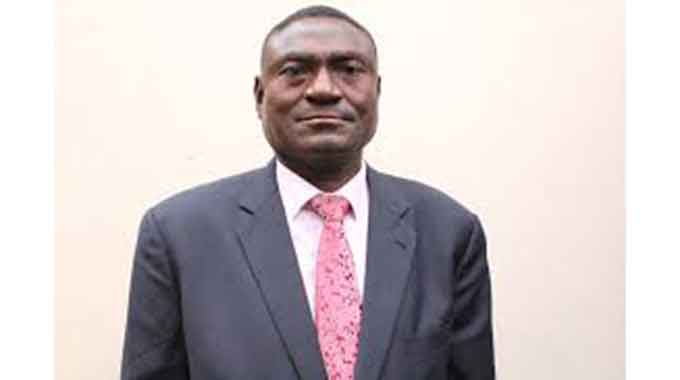
The record of history shows that those who acted in treacherous ways, who sided with the enemy and decided to be traitors of the liberation struggle were men and Morrison Nyathi has been at the fore of those narratives.
Many more men did the same to derail the execution of the armed struggle while others fled the battlefront, only to find refuge in other countries. So, history has a way to administer its correctives!
Women fighters participated in the struggle with sacrifice. It should therefore be key to let women choose to define their heroism differently than men because this is key in defying the prevailing stereotypes that also reduce uncertainty and give their sacrifices.
Women should remain the immediate priority for the Government in commitments to lead reforms in equality because of the significant contributions that women have made so far.
In post-colonial Zimbabwe, women heroes have also helped in the transformation of the society due to challenges that have been posed by decades of economic restrictions into a source of resilience and strength.
In the early 1980s, they helped organise society in building the agricultural base at communal and national levels to foster economic transformation at household and national levels. Furthermore, during the Economic Structural Adjustment Programme (Esap) days, they embraced the harsh economic realities and helped model a resilient economic society at grassroots levels leading to broader women empowerment initiatives.
In the post-millennium period, women were also at the centre of the internationalisation of the London-Harare bilateral challenge after Zimbabwe decided to right colonial wrongs through the land reclamation programme, where women were also expected to benefit.
They did benefit!
They remained resolute and rooted in improving the country through contributions in the agricultural sector, where they have become a vital cog in ensuring economic productivity and land utility as small scale and commercial farmers.
They have illustrated that courage is the paramount virtue, and through their struggle, they have evolved as resilient individuals, the finest volunteers in humanity’s quest for freedom by leading the denunciation of the use of illegal and unjustified economic coercive measures against the population.
The accomplishments and progressive developments Zimbabwe made so far in acknowledging the role of women as significant partakers in the destruction of the yoke of colonialism should not be destroyed by the masculinity of patriarchy.
Zimbabwean women liberators have shown their ability to lead and defy odds in what has become known in patriarchal terms as “testosterone zones”.
Some sections of society want to remain patriarchal and macho, driven by inequalities and gender stereotypes.
Under such circumstances, women heroes have broken the ceiling and inspired more women who have been focused on national development.
Understandably, these acts of heroism by women have been extensive from the monstrous years of British colonialism where they, along with men, were so inhumanely pressed into bondage and considered as the property of economic enslavers.
Today, society cannot remain under the control of discourses of ignorance that want to peddle information that whitewashes the role of women in the history of Zimbabwe’s political independence.
If one is to consider how, radiating from the patriarchal order, sexism, misogyny and economic discrimination are elements that have no place in Zimbabwe.
By upholding patriarchal values that discriminate women from identifying their struggles and attempts to alter the contributions of women in the independence journey remain ignorant elements that cannot be tolerated in society.
Women heroes have documented their resilience, this has to be celebrated and not demonised in any shape, character or form.
Through stepping up and answering calls to go to war, organise society, become community leaders and advocating for peace and development, these women liberators have proven that their roles extend far beyond the label of victimhood.
They are equally important in society as any other.