Trust Freddy
Herald Correspondent
NETSAI DANDADZI thought the hardest part of motherhood was behind her the day her daughter walked into Grade One alone.
Yvonne Chihumwi had done it all: first steps, first words, first day at school in Hatcliffe without tears. For a parent, that is the invisible finishing line.
She was wrong.
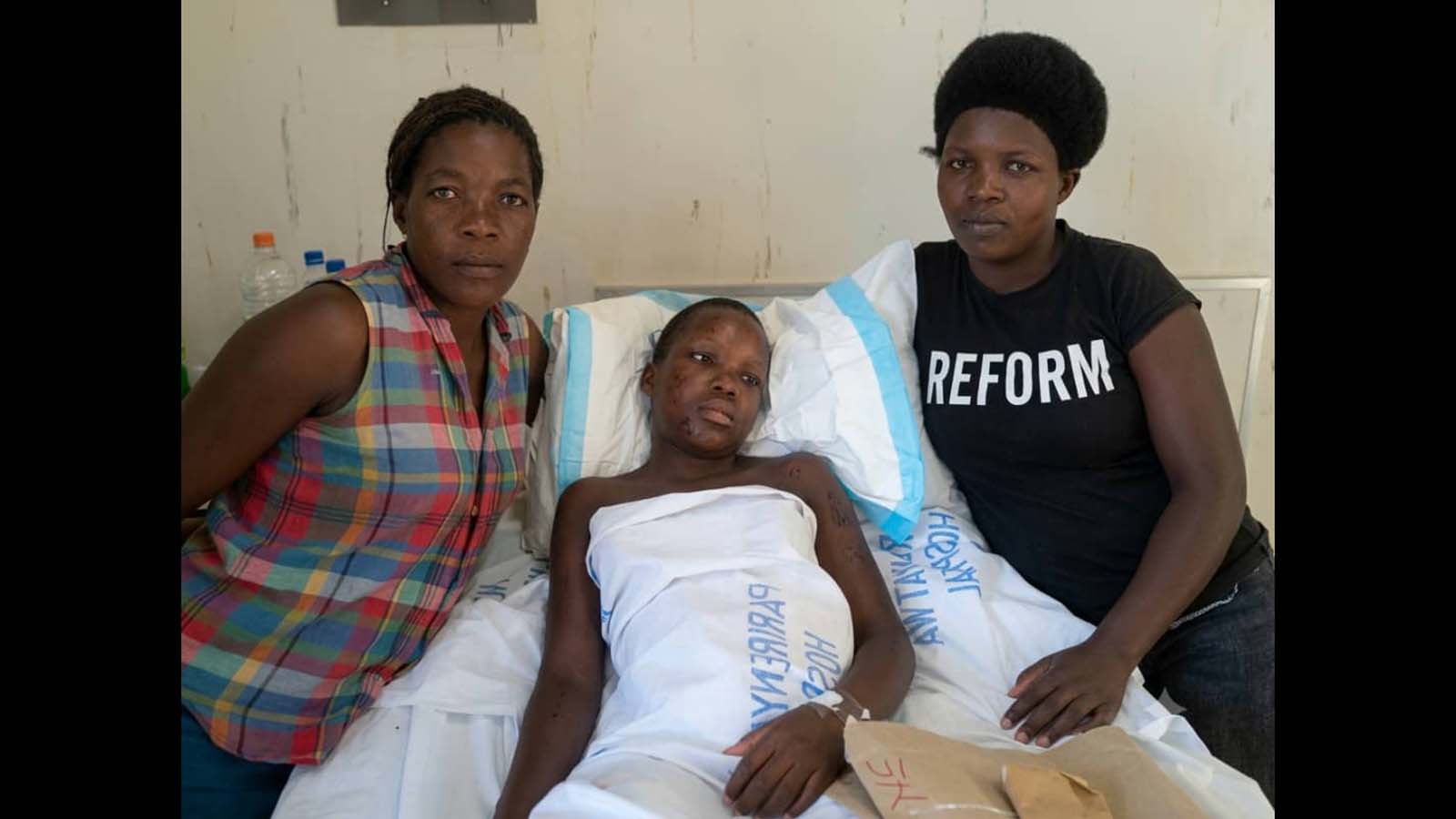
By Grade 5, at age 12, Yvonne had lost her sight, her speech, her balance, and nearly her life. The cause, doctors at Parirenyatwa Hospital would later confirm, was a brain tumour.
A brain tumour is an abnormal growth of cells in the brain.
Neurosurgeon Dr Shungu Ushewokunze, with two decades in brain tumour care and a member of the Brain Tumour Consortium of Africa, says the signs are often present early.
“Headache is a common symptom. Vomiting. Sleepiness. In children it’s worse, because a young child cannot tell you they have a headache,” Dr Ushewokunze says.
“In children, we look for a head getting bigger, or a child who was walking, but starts crawling again. They reach milestones, then they go backwards.”
Yvonne showed most of them.
It was late 2011 in Hatcliffe.
Classmates were the first to notice. “Yvonne is changing her sitting position every time in class,” they told Dandadzi. Her teacher said the girl kept moving to the front, complaining she could not read what was on the board.
Then her body failed. Her walk changed. She leaned to one side. Her mouth pulled to the side. Speech left her. She left school.
“My immediate assumption was arohwa nezvishiri – attacked by an evil spirit,” Dandadzi says.
Similar beliefs exist elsewhere. Some Middle Eastern communities call it al-ayn, the evil eye. In parts of Zimbabwe elders speak of warohwa nezvidhoma zvomuroyi – struck by the goblins of witches.
Dr Ushewokunze says that gap between belief and biology costs lives. “From a cultural perspective, we have different explanations for balance, behaviour change, seizures. The primary health in our communities will be the faith, the church, the pastor, the traditional healer. They are the ones people go to first. We need this information to get down to the grassroots.”
Terrified, defensive, and desperate to battle the unseen, Dandadzi bypassed the hospital entirely.
From early 2012 until September, she moved Yvonne from one apostolic prophet to another, seeking help from Pentecostal ministries and traditional healers.
Month after precious month passed. While prayers were said and the community speculated on witchcraft, a massive, aggressive brain tumour was growing unchecked inside Yvonne, compressing her cranial nerves and blocking cerebrospinal fluid.
By September 2012, the “spiritual warfare” had yielded nothing, but heartbreak. It was a neighbour who changed the path: “Seek help from the hospital and prophets.” At Parirenyatwa Hospital, doctors diagnosed a brain tumour. The growth was blocking cerebrospinal fluid, causing hydrocephalus.
“I stayed in hospital for almost three months,” Dandadzi says.
“She underwent surgery. After that I spent almost another month waiting for results. When I was about to be discharged, I was told she needed another surgery. They wanted to insert a shunt. From that operation she has 27 stitches in the head.”
The ward brought new battles.
After the shunt operation, Yvonne remained paralysed. Dandadzi became her nurse, her bed, her wheelchair. “I would force her to eat and she became slow in swallowing. She could not go to the toilet by herself so I would carry her. I ended up developing back pains since she had a big body.” Doctors then told her the truth they had been holding back. The tumour was in a dangerous position and could not be fully removed. All they could do, for now, was rely on the shunt to drain the fluid and ease the pressure.
With no further surgery possible, she was discharged. “I was told to go and nurse my child at home,” Dandadzi says. “The tumour was still there.”
Recovery came slowly, at home. In late 2012, Yvonne’s fist began to open.
“One day I noticed her fist had opened. Then she pointed at her pants. She had soiled herself. Then I understood her sign. From that day, a point to her pants meant ‘toilet’. That was how we began to speak,” Dandadzi says.
In 2014, she taught Yvonne to sit up again, packing heavy pillows and blankets around her back to act as supports. She never stopped, not until 2016.
“She was also regaining her sight,” Dandadzi says.
“I was shocked to hear her saying, ‘Mum, I am seeing Pamuzinda shops.’ That’s also when she started to open her mouth and speak again. That was in 2016 and she started speaking.”
That same year, Dandadzi enrolled her at Jairos Jiri. “She resumed her studies from Grade 5. She got help there and she began walking again. She could now use a pen, though slowly. She continued until she finished Form 4.”
The family’s troubles did not end at the hospital gate.
“When she was discharged, she was relying on a wheelchair, and some people took advantage of us,” Dandadzi says.
“I still remember there were men who claimed to be running a GoFundMe for my child to undergo surgery in the UK. They told me that corporates had donated money.
“They would come to our home, promising to help me travel to the UK for an operation. They said they had raised more than US$10 000 in donations, but to this day I have never received anything. I prepared everything and even the airline tickets were arranged for the UK trip, but the men disappeared.
“I still recall their names. One of them identified himself as Power Mandirahwe, and the other was just Jabulani. They made me travel to South Africa to buy things they said I would need for the UK. I never heard from them again, but I was later told that one of them approached my mother, asking her for US$500 for bail. I did not know what it was for.”
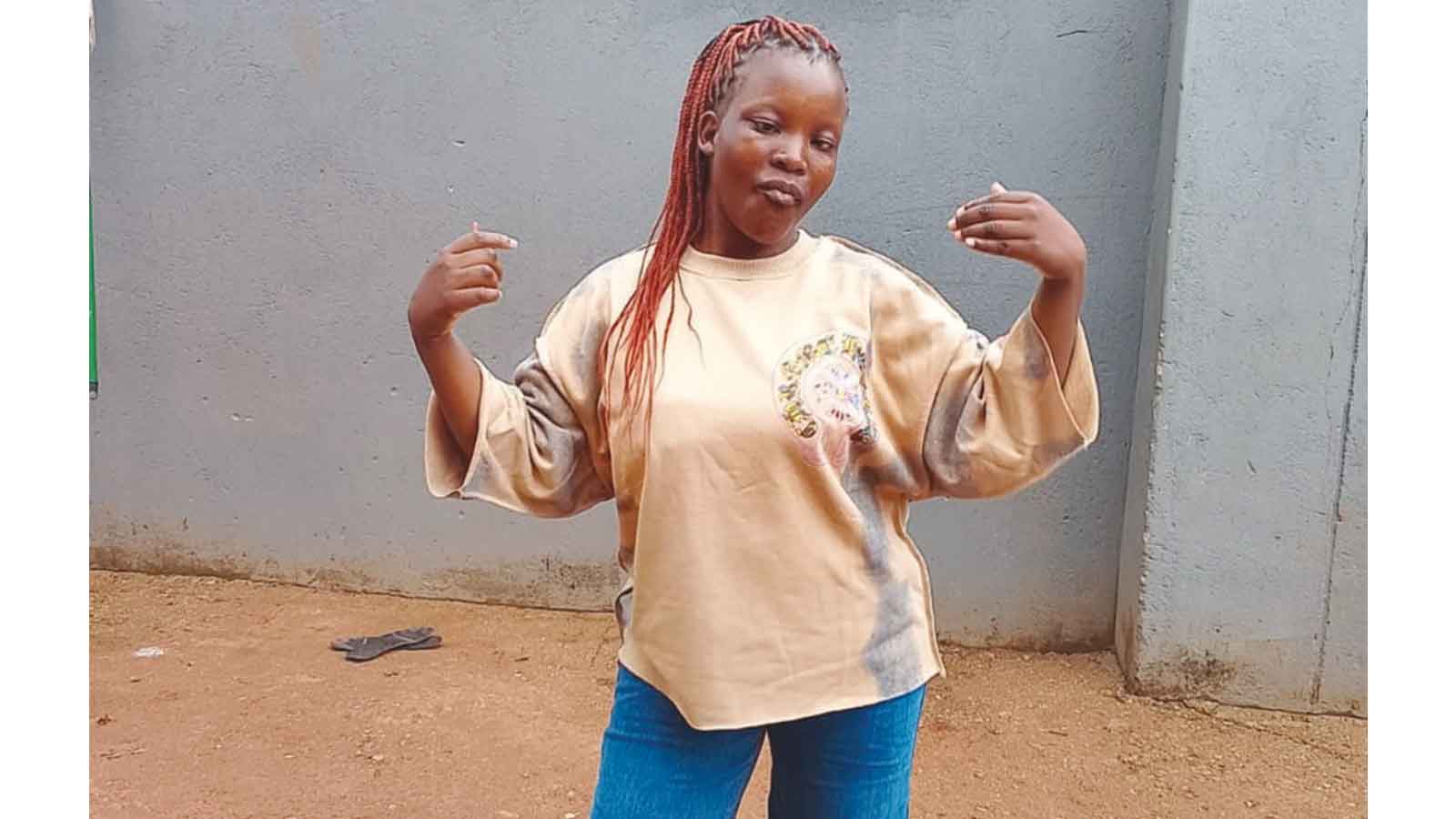
Today, Yvonne is 26. She lives at home with her mother.
“I am grateful that my daughter survived. My only concern now is that the shunt she has is aging and needs to be replaced, which requires money,” Dandadzi says.
“She also completed Form 4, but her results were not good. I am, therefore, appealing to well-wishers for assistance so she can start her own business.”
Dandadzi’s message is for other parents still waiting at a prophet’s door. “I had lost hope, but I was helped at the hospital where they managed to identify the source of her discomfort. Had I rushed to the hospital early, I think the danger would have been averted,” she says.
“I would like to thank the local doctors for helping me and also make awareness that it’s not always the case of ritualists when a person’s mouth shifts or twists. It could be a real medical condition.”
The Zimbabwe Brain Tumour Association says Yvonne’s story is common. Chairperson Ms Romana Nyahwa called for the nation to prioritise early medical diagnosis and move away from superstitious beliefs that continue to claim lives unnecessarily.