

 Online Reporter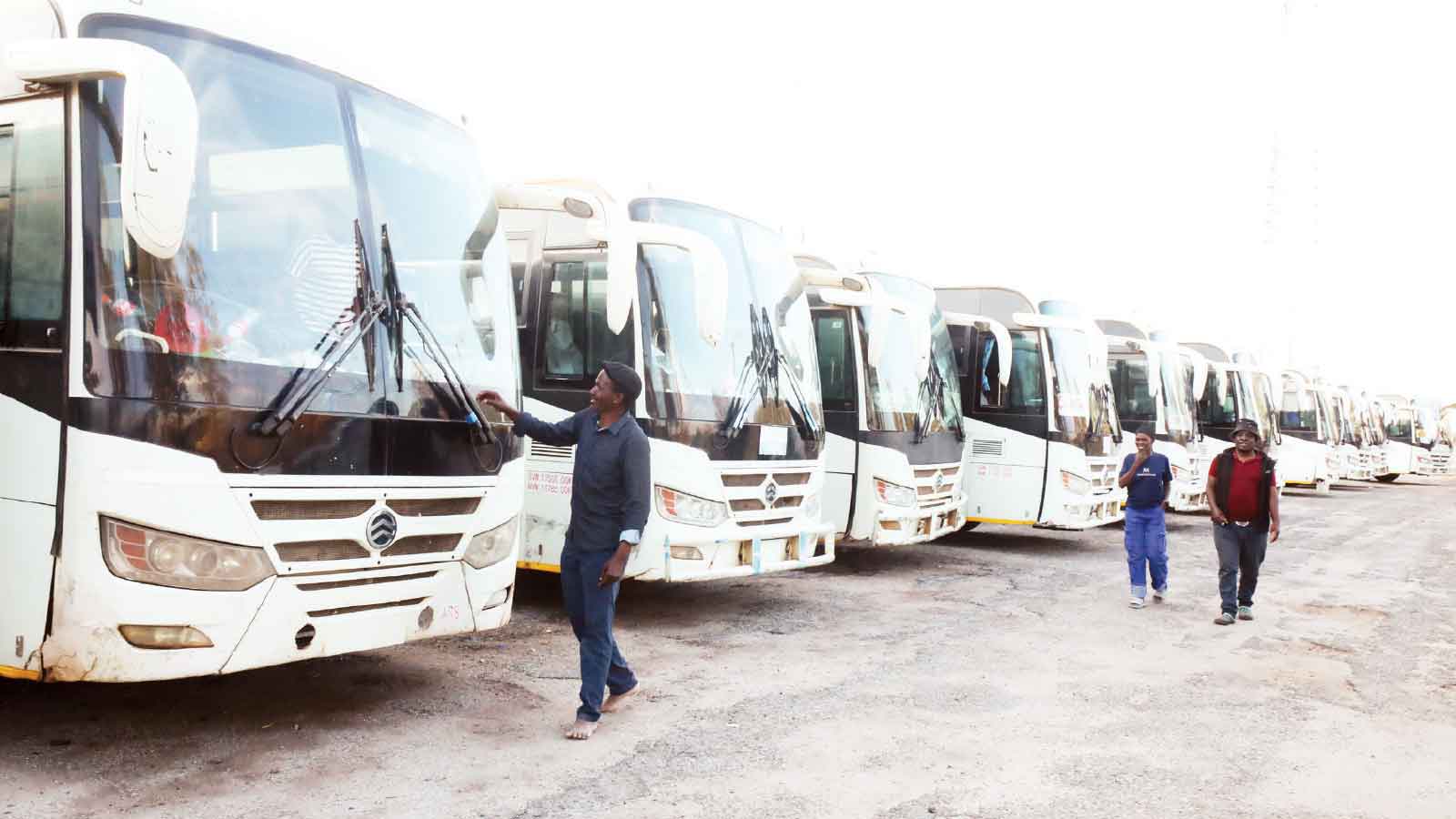
Thupeyo Muleya and Ivan Zhakata
GOVERNMENT has intensified the repatriation of Zimbabweans stranded in South Africa, deploying dozens of buses to ferry returnees from major South African cities to Beitbridge Border Post.
It has also assured the nation that resources have been mobilised to bring home Zimbabweans who, like many foreigners based in South Africa, were given an unofficial deadline by xenophobic groups that expired yesterday to leave that country.
At Beitbridge Border Post yesterday, which is teeming with not only returning Zimbabweans but also Malawians, dozens of buses were preparing to cross over to South Africa to ferry Zimbabweans back home, where Government has assured them of smooth reintegration into society.
The Civil Protection Committee team, working hand in glove with an Inter-ministerial Committee, were seen busy allocating people buses based on their final destinations with those with children being prioritised.
In an update issued yesterday, the Deputy Chief Secretary (Presidential Communications) in the Office of the President and Cabinet, Mr George Charamba, said the repatriation exercise was progressing smoothly, with hundreds of Zimbabweans already processed while more buses had been dispatched to collection points across South Africa.
Three buses carrying returnees departed Cape Town for Beitbridge, while two more buses travelled from Cape Town to Johannesburg to collect additional Zimbabweans before proceeding to the border.
Mr Charamba said about 1 000 Zimbabweans remain at the Epping Repatriation Centre in Cape Town and will be transported to Zimbabwe once processing and profiling by South African authorities is completed.
Following discussions between the two countries’ authorities, it has been agreed that profiling will now take place at the Beitbridge Border post to speed up repatriation and ensure the security of returnees.
“Three buses have already departed Cape Town for Beitbridge Border Post, while two buses have left Cape Town for Johannesburg for quicker processing before onward movement,” said Mr Charamba.
“Epping Repatriation Centre still has some 1 000 Zimbabweans who will be ferried home once their processing is complete. Buses are already available for the purpose.”
Two buses from Port Elizabeth were also headed to Beitbridge as of last night.
In Johannesburg, 11 buses are on standby at Zimbabwe’s Old Chancery, where approximately 600 Zimbabweans are being processed for repatriation.
Another five buses had been deployed at Power House in Johannesburg, wher e about 300 Zimbabweans were undergoing documentation before departing for Zimbabwe.
Mr Charamba said 12 buses also left Johannesburg on Monday night from other assembly points, including Durban, bound for the Beitbridge-Musina Border Post.
Government said the repatriation programme is being fully financed by the State.
“All these far-flung relocation operations are being wholly funded by the Government of Zimbabwe, which has availed all buses on which Zimbabwean returnees are travelling,” said Mr Charamba.
To ensure the operation proceeds efficiently, the Government has redeployed all staff at Zimbabwe’s Embassy and Consulates in South Africa to support the exercise, while spouses of embassy officials have volunteered to assist.
Mr Charamba also commended the support being provided by United Nations agencies and the cooperation extended by South African authorities.
“Cooperation between the Government of Zimbabwe and the Government of South Africa remains excellent and empathetic,” he said.
Government reiterated its committment to assisting all Zimbabweans wishing to return home and pledged support for their reintegration into communities upon arrival.
“Government is ready to come to the assistance of all Zimbabweans wishing to come back home. Above all, the Government assures returning citizens that they will be assisted to reintegrate into their communities in Zimbabwe,” Mr Charamba said.
The repatriation programme follows the displacement of Zimbabwean nationals and other Africans in parts of South Africa.
The Zimbabwean Government has said that every citizen wishing to return home will receive assistance through the ongoing evacuation.
Stakeholders from the Civil Protection Unit, along with the Interministerial Committee, held a review meeting in Beitbridge yesterday to enhance operations around the dignified evacuation of the Zimbabweans from South Africa.
The main processing point for returnees is the Government-run Reception and Support Centre in Beitbridge, which can handle 1 000 adults and children every day.
The chairperson of the local civil protection committee, Miss Sikhangezile Mafu, who is also the Beitbridge district development coordinator, said they met with all State agencies and agreed on the need to ensure a seamless process.
“We are using the Whole-of-Government approach so the process becomes seamless. All sub-committees have been activated for health, transport, resource mobilisation and social protection,” said Miss Mafu.
She said on arrival, each person is registered and profiled by officials from the Departments of Social Development and of Immigration while the Ministry of Health and Child Care checks for medical needs.
In addition, the Department of Civil Registry was seen yesterday assisting children with birth certificates and those with lost or damaged documents.
“We want the children to be quickly absorbed into the education system and hence we are streamlining the issuance of birth certificates,” said one official.
The returnees are also getting immediate help in the form of food, water, counselling and psychosocial support. The goal is to reduce stress and help them settle before the next journey.
At the border post, immigration officials said operations remain stable, although they continue to process high numbers of Zimbabweans and Malawians who are self-repatriating as well as those getting State assistance to leave South Africa.
The Regional Immigration Officer in charge of the southern region, Mr Joshua Chibundu, said they are processing high numbers of Malawians and Zimbabweans returning from South Africa.
“Even with the extra numbers, normal movement of people has not been affected. Commercial trucks, tourists, and daily travellers are still moving as usual,” said Mr Chibundu.
He said the Department of Immigration has deployed manpower strategically to reduce queues and keep traffic flowing.
Mr Chibundu said the movement of Assisted Voluntary Returnees is well co-ordinated.
“The Embassy of Zimbabwe in South Africa leads the process with returnees there. The local Civil Protection Committee manages support on the Zimbabwe side and they send passenger manifests early. We receive the lists of passengers and buses ahead of time. This helps us plan desks, health checks, and onward transport,” he said.
Malawi’s Ambassador to Zimbabwe, Retired General Peter Namathanga, visited the Beitbridge Border Post yesterday to assess how Zimbabwe is assisting Malawians travelling from South Africa.
He toured the transit area, the clearing desks and the bus terminal and engaged with immigration officers, health teams, and Malawian nationals who were being processed for onward transportation.
Ambassador Namathanga was pleased with the support from the Zimbabwean Government.



How can vaCharamba say cooperation between Zimbabwe and South Africa remain excellent when people are being driven out by the attitude and deeds of bad neighbous.The only reason you say so is because you yourself is not facing the hardship. Some people say diplomacy is the ability to tell the devil to go to hell in such a way that he looks forward to going there.Zimbabweans love their country and they had plans of when to go back. South Africa is very wrong and is not doing the same to white people.Zimbabwe and other African countries should not regard S.A as a friend anymore.