

 dyton mupawaenda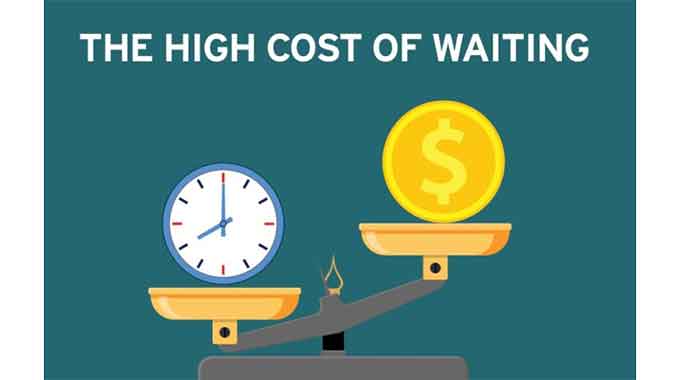
Rutendo Gwatidzo-Changing Perspectives
They had been talking about introducing a new system for two years. Customer complaints kept rising. Staff were frustrated.
Data was scattered across spreadsheets that lived on personal laptops. Everyone agreed the solution was obvious – a systems upgrade! So they formed a committee and invited consultants. They scheduled workshops. They debated features, vendors and timing. Meanwhile nothing changed.
Then, one Friday afternoon, a critical file corrupted. Orders disappeared. A major client lost trust. By Monday, the company was in crisis mode. Overtime working, panic, cash burn and reputation risk became the norm.
Eventually, they fortunately managed to implement the same system they had identified 18 months earlier, only now at triple the cost, under pressure, with staff exhausted and leadership credibility damaged. They didn’t fail because the decision was wrong. They failed because they waited too long.
The Misconception Around Waiting!
Waiting often feels safe but, it’s expensive if not properly managed. Delaying decisions often hides behind seemingly responsible language like “Let’s analyse further.” “Let’s wait for the right time.” “Let’s be cautious.” On paper, it sounds mature but, operationally, it’s risk. While we wait, three things might happen. Costs compound.
Delays inflate pricing and extend inefficiencies. Opportunities may also expire. On the other hand, markets move, competitors execute, customers quietly leave and energy drains. Eventually teams lose urgency, momentum dies and cynicism grows.
Nokia didn’t collapse because it lacked talent. It collapsed because it hesitated. They saw smartphones coming. They knew software ecosystems mattered. They had data, signals, and resources but, internal politics, fear of disruption, and “protect what we’ve built” thinking slowed decisive action.
By the time they moved, the market had moved faster. The cost of waiting wasn’t just revenue. It was relevance.
Why People Delay?
People delay because of fear of being wrong, fear of blame, fear of conflict or fear of losing power just to mention a few. So they tend to hide behind more meetings or more “analysis.” Yet, that is not strategy but avoidance dressed in corporate language.
Almost nobody gets to track the cost of delay, productivity lost while systems stay outdated, customers churned because service is slow, brand erosion because incompetence becomes visible and opportunity windows that never reopen. By the time leadership finally moves, the organisation is probably tired, frustrated, and behind.
How to break the waiting cycle!
Define the decision deadline: Be sure to avoid open-ended conversations. A decision date forces clarity.
Decide in stages: Do not try to do everything at once. Pilot, learn and then scale. Perfection is not the goal, validated progress is.
Assign ownership: If everyone owns it then, no one owns it. Name the decision-maker and make it known and visible.
Track the cost of delay: Document the monthly cost of “doing nothing.” It will change the conversation instantly.
Example.
Amazon has a principle, “Disagree and commit.” They don’t wait endlessly for perfect consensus. They move, test, learn and optimise. That’s why they outpace slower competitors. Speed with discipline is a competitive advantage. Waiting feels safer in the room but in the market, waiting is brutal. Delays erode trust and they damage culture. They signal to your best people that leadership is slow, reactive, and hesitant. And high performers do not stay in environments where everything takes forever. They leave and the organization can pay heavily for it.
Shift Your Focus!
Many people tend to focus on the wrong question. “What will it cost if we act?” instead of focusing on the real question which is “What is it costing us every day we don’t take action?”
Momentum is not accidental!
Transformation doesn’t show up because we wished for it. It shows up because we move thoughtfully, fast, and with accountability. Stop postponing the obvious. Make the call, execute and iterate forward. That’s how you protect value, build future readiness and avoid paying the painful and unnecessary cost of waiting. Be inspired, encouraged and challenged to do things differently this year.
Rutendo Gwatidzo is a human capital executive and managing consultant at The HUB HR Consultancy. She is a multi-award winning leader, transformational speaker and coach. She is also an author of “Born to Fight” and Breaking the Silence books. Contact detail – 0714575805/ [email protected] / Rutendo Gwatidzo_Official FB public page.



 Online Reporter