

 Online Reporter
Patrick Chitumba, [email protected]
THE Government is set to establish a cotton oil expression plant in Gokwe, one of Zimbabwe’s leading cotton-producing districts, as part of its drive to promote value-addition, generate employment, and uplift rural incomes.
Announced during the recent Midlands Investment Conference held in Gweru, the initiative is expected to mark a major turning point for cotton farmers in Gokwe, who have historically only participated in the value chain up to the packaging stage, with produce then transported to urban centres such as Harare for processing.
Minister of Lands, Agriculture, Fisheries, Water and Rural Development, Dr Anxious Masuka, said the project falls under the broader Presidential Rural Development Programme, which aims to foster sustainable, economically viable ecosystems within rural communities.
“This development is part of Government efforts to promote value-addition and beneficiation. By processing cotton locally, we reduce costs, create jobs, and ensure that the community benefits from the full value of its produce,” said Dr Masuka.
He revealed that the Gokwe plant will be established in collaboration with the Ministry of Finance, Economic Development and Investment Promotion.
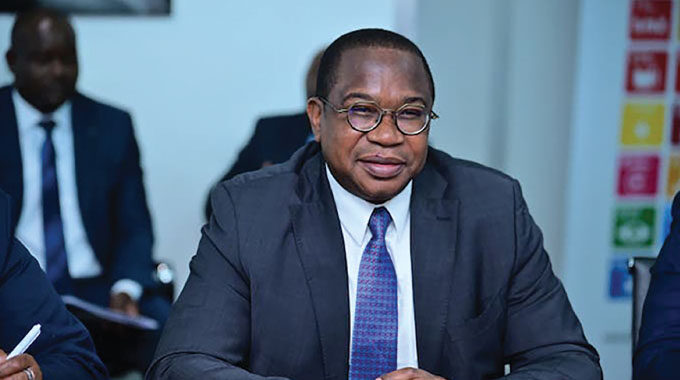
“My counterpart in the finance ministry, Professor Mthuli Ncube, and I have agreed to initiate this new phase of rural industrialisation here in the Midlands. The cotton oil plant in Gokwe will be our starting point,” he said.
Plans are already in motion to replicate this model in other rural cotton-growing regions, including Checheche in Manicaland and Muzarabani in Mashonaland Central. An expansion to Mataga in Mberengwa is also under consideration.
Gokwe has long been synonymous with cotton production, once elevating the Midlands Province to the top of Zimbabwe’s cotton output rankings. However, Dr Masuka expressed concern that this position has recently been overtaken by Mashonaland Central, reinforcing the need for renewed support and strategic investment. He noted that over 62 percent of Zimbabwe’s population, approximately 9,2 million people, reside in rural areas and depend largely on agriculture for their livelihoods.
“That’s why agriculture must be central to our development strategy,” he said.
In alignment with Vision 2030, Dr Masuka also announced that the Government is working to transform all 460 irrigation schemes nationwide into fully operational agri-businesses, ensuring rural economies contribute meaningfully to national GDP.
Meanwhile, Energy and Power Development Minister July Moyo used the same forum to highlight significant investment opportunities within Zimbabwe’s energy sector, especially in power generation and distribution. He noted that around 600 000 households across the country, including 72 000 in the Midlands Province, remain without access to electricity, representing a major opportunity for both local and foreign investors.


 Bongani Ndlovu