

 daniel chigunwe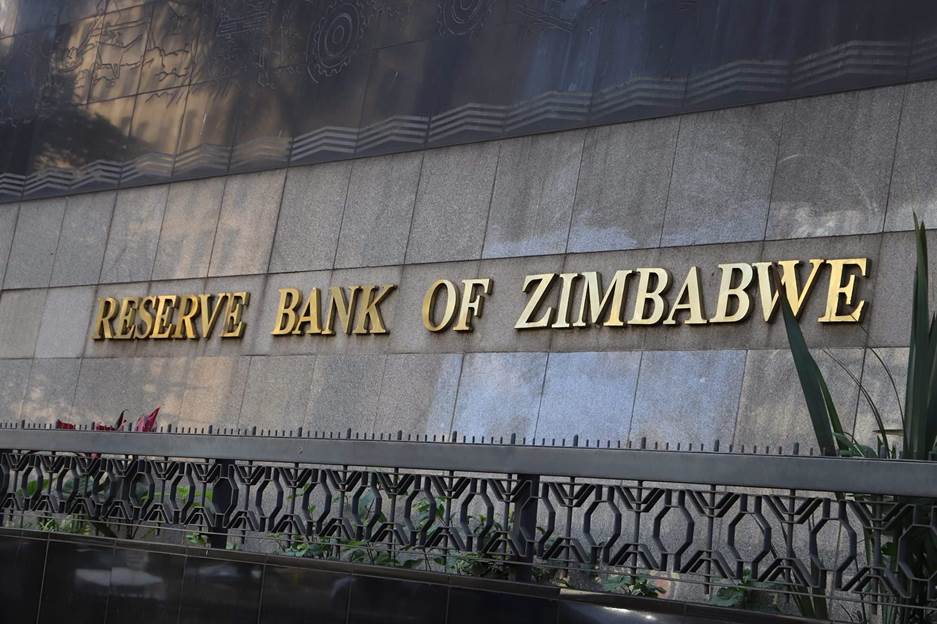
Tapiwanashe Mangwiro
Business Writer
Zimbabwe has had a bruising fight with inflation and appears to have recently started winning the war since the coterie of interventions by both fiscal and monetary authorities, which have seen price and exchange rate stability over the last three months.
The situation has brought relief to consumers and given businesses an opportunity to plan with ease although this has spawned another troubling headache for corporates, liquidity crunch.
Monthly inflation has seen four straight months of decline while the annual rate has dropped in two consecutive months.
August 2022, saw Zimbabwe’s highest year-on-year inflation since February of 2021 at 285 percent, a figure that has since started to retreat, as September 2022 inflation eased to 280,4 percent followed by 269 percent in October.
But companies have since expressed fear the suffocating liquidity crisis, due to expensive bank loans after the central bank hiked its policy rate from 80 to 200 percent, could weigh on aggregate demand, levels of production and asset values.
What it means is that operators may fail to fund their businesses as well as meet their business capital needs if the situation persists.
The hiking of the bank policy rate to curb speculative borrowing, which is blamed for driving black market activity, exchange rate volatility and inflation spiral, has made the cost of money punitively expensive. This has led to subdued lending thereby affecting liquidity in the market.
Businesses are worried about a drastic fall in aggregate demand, which would be bad for an economy. If there is no customer traffic to the shops, it signals a gloomy outlook for businesses. Closures and retrenchments will likely follow, a bad omen for the ruling party ahead of the 2023 plebiscite.
According to businesses and banks, this is a warning the incumbent Government cannot ignore as this will drag the economy into a recession.
Analysts have given mixed reactions to the possibility of a recession in the economy despite retailers saying they are experiencing low cashflows and demand for products. Banks have been negotiating with the Reserve Bank of Zimbabwe (RBZ) to loosen up on interest rates, with little success.
Equities advisory firm IH Securities said this week that efforts by the monetary authorities have brought about fragile stability.
As such, the monetary authorities face the tough task to balance the need to contain inflation on one hand and stimulate aggregate demand on the other.
Financial and economic analyst Tafara Mtutu said; “It is likely that the country could slide into a recession as the high-interest rates mean companies cannot borrow to finance their operations as the money is deemed expensive. Secondly, companies that are already highly leveraged have changed their strategy to try and expunge their debts.”
Cashflows needed to finance working capital are now being channelled to debt repayment as the cost of that debt no longer makes sense to them.
Mtutu added, “My thinking is that the recession is not imminent and not coming as quickly as anticipated, because despite not having reasonably priced local currency in the market, you see that companies have resorted to liquidating some of their local currency investments on the stock exchange.”
According to him, the cushion is being sponsored by the stock market but it can only last for so long.
Economist Dr Prosper Chitambara said, “It is true that the tight monetary stance has strained aggregate demand in the economy and if sustained it will affect economic output growth in the long run. The tight monetary stance will exacerbate the already dire growth situation as we know growth is already going to be lower than it was last year.”
Chitambara said now that “we are beginning to see our inflation rate falling, it is an opportune time for us to revise our interest rate policy in line with the falling inflation”.
However, economist Professor Tony Hawkins contradicted the assertions saying the economy needs to remain like this for a while before interest rates are revised down. He argued that there is no recession on the horizon but rather inflationary pressures that the central bank should not budge to.
Hawkins said; “The country is not showing any signs of getting into a recession, we are actually seeing inflationary pressures due to companies wanting to borrow in order to fund operations.”
According to Hawkins, the country does not need to lower its interest rates, at least for now, as inflation is still hovering above the desired targets.
“Companies are getting lower than the 200 percent per RBZ provisions on productive sector funding provisions,so I do not see the reason to lower them,” he said.



 Online Reporter