admin
admin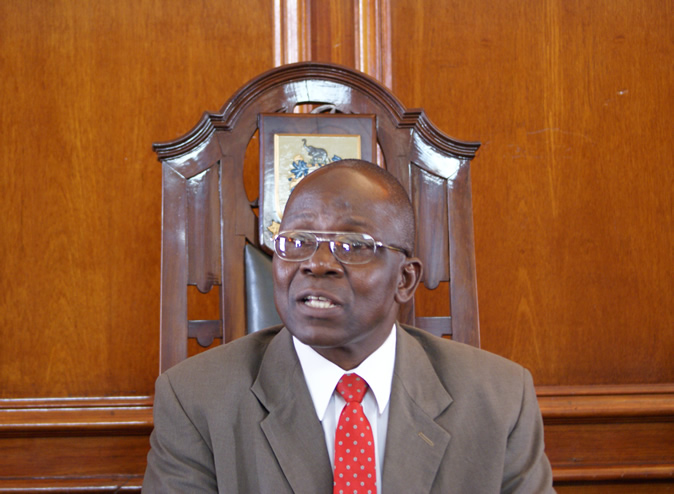
Pamela Shumba Senior Reporter
Bulawayo City Council will tomorrow auction household goods of residents who are not paying for water and other service charges as it intensifies efforts to recover more than $90 million owed by residents. According to a notice by the Messenger of Court yesterday, movable goods ranging from stoves, refrigerators, lounge suites, computers, microwaves, home theatres and television sets are set to go under the hammer.
Bulawayo Mayor Councillor Martin Moyo last week told The Chronicle that the city council was struggling to recover $90 million in water bills, which shot up from about $50 million in a year.
Yesterday, he confirmed that some household goods would be auctioned over non-payment of water bills.
“The High Court has given us the option of taking legal action against defaulters. We therefore have to follow the process accordingly and there are fees to be paid by the defaulter at the end of the day,” said Clr Moyo.
“I will continue to emphasise that it’s important for residents to pay their bills to avoid such drastic action being taken which at the end of the day costs residents more.”
Residents blasted the city council for taking the move which they said will not solve the problem as the properties will be sold for a song at the auction and as a result many of them will remain in arrears.
“We know that the council is trying to recover its money but attaching residents’ property is too harsh. They should appreciate that residents are willing to pay but are struggling to make ends meet,” said Tracy Ndlovu from Cowdray Park, who has not paid her bills for the last six months.
Another resident from Pelandaba, Simangaliso Sibanda told The Chronicle she had a huge bill to pay despite the fact that some of her property was auctioned last year to clear the arrears.
“My property was attached some time last year and it was sold for almost nothing. After the sale I realised that the money couldn’t clear even half of the bill. Most of the money was directed towards interests and some charges, which included Messenger of Court fees,” said Sibanda.
A council official, who declined to be named said the council was attaching property belonging to those who owed the council $2, 000 and more.
He said the water disconnection exercise was ongoing but could not disclose how much had been recovered so far, saying he did not have the figures at hand.
Most local authorities started disconnecting water supplies to defaulters after the Harare City Council appealed against a High Court order declaring the practice unconstitutional.


 Online Reporter