


 Online Reporter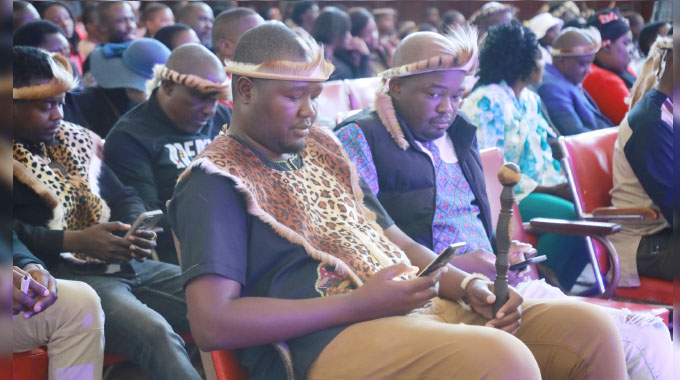
Vusumuzi Dube, Deputy Radar Editor
IN recent weeks, the Bulawayo City Council has found itself embroiled in discussions that can only be described as trivial, overshadowing the pressing issues that directly affect the lives of residents.
In the past two full council meetings, councillors have spent over an hour debating the dress code in the council chambers, an unprecedented display of misplaced priorities that brings into question the effectiveness of our local governance.
As a municipal reporter since 2009, I have had the opportunity to witness the evolution of council proceedings.
I began my career as a cub reporter, covering council meetings with a sense of enthusiasm and hope for the future of our city.
However, never in my years have I witnessed such an embarrassing spectacle as what has unfolded recently.
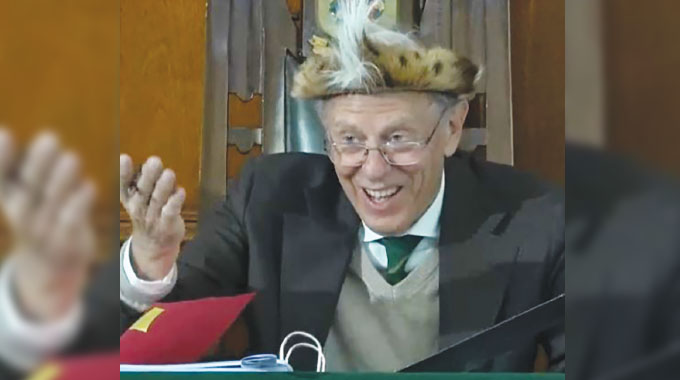
In May, the council wasted precious time deliberating whether to eject Mayor David Coltart from a meeting because he wore a coat instead of a full suit.
Fast forward to the most recent meeting, where councillors again found themselves mired in debate, over whether to eject some councillors for not adhering to a resolution to wear traditional attire for Bulawayo Day celebrations.
Ultimately, a vote was cast, revealing that 12 councillors supported, allowing the affected councillors to remain while 18 opposed.
Yet, the matter continued to be debated, leading to the local authority cutting the live feed of the proceedings due to the intensity of the argument.
Councillor Mpumelelo Moyo, visibly frustrated, stormed out of the meeting after the councillors were allowed to stay.
With all this chaos, one has to wonder what the late Town Clerks, Messrs Mike Ndubiwa and Middleton Nyoni, would think if they were alive to witness this disgraceful behaviour.
As I reflect on my many conversations with the now late Mr Nyoni, I can almost hear his voice emphasising the importance of professionalism and prioritising the city’s needs in council deliberations.
He could be turning in his grave at the sight of councillors squabbling over dress codes while the city crumbles around them.
Mr Nyoni believed that the council should focus on tangible issues affecting residents rather than getting side-tracked by matters as inconsequential as dress codes.
As I watched the chaos unfold in the council chambers, I couldn’t help but reflect on how the city fathers must feel as their constituents witness such trivial disputes play out.
Residents rely on their elected officials to address pressing concerns like waste management, water supply and infrastructure development.
Bulawayo has been grappling with severe water shortages, exacerbated by ageing infrastructure and inadequate maintenance.
Residents have reported inconsistent water supply, leading to increased reliance on boreholes and private water vendors. The council must prioritise the rehabilitation of water supply systems and ensure that all residents have access to clean and safe drinking water.
The city has also been facing significant challenges in waste management, including vehicle shortages and landfill hazards. The lack of proper waste collection services has resulted in littered streets and overflowing dumpsites, posing health risks to residents.
The Council needs to invest in waste management infrastructure and enforce by-laws to ensure proper disposal and recycling practices.
The state of roads in Bulawayo has deteriorated significantly, with potholes and crumbling infrastructure making travelling hazardous. Council must allocate resources for road repairs and maintenance, to ensure safe and efficient transportation for all residents.
Instead, they are treated to a circus of debates that seem more at home in a school yard than a governing body.
Even council staffers were left embarrassed by the behaviour of their leaders, taking the drastic step of cutting the live feed to the meeting. This is a clear indication that the council is aware of how councillors’ actions are perceived by the public, yet it seems they are unable to rein in their focus on what truly matters.
While I, like many boarding school graduates, understand the importance of adhering to rules, one question that lingers is whether this was the right platform for the councillors to debate this issue, let alone spend over an hour trying to reach an understanding.
This is a council that is predominantly made up of councillors from the Citizens Coalition for Change hence they obviously have a chief whip, mandated with maintaining such rules within council chambers before any full council meeting.
Independent analyst and National University of Science and Technology lecturer, Mr Methuseli Moyo described the councillors’ conduct as gross disrespect of residents. Mr Moyo himself is a former municipal reporter with Chronicle.
“That is an indicator of gross immaturity, misdirection and pettiness by the so-called city fathers. They need to grow up and direct their thoughts and energies towards serious issues that affect people, such as service delivery.
“There are no street lights, people are being mugged and killed but the councillors have the temerity to be discussing trivia live on camera. That is gross disrespect to residents. Local governance is key as it affects people directly. But some people think council chambers are a venue for grandstanding and pushing factional and even personal agendas. This is very sad,” said Mr Moyo.
Bulawayo United Residents Association (Bura) chairperson, Mr Winos Dube hit out at the councillors, saying all of them knew the standing rules and regulations and the resolutions they passed hence they were expected to adhere to them.
“These councillors are the ones who make those resolutions, so why do they not just follow them? Instead, they are defying their own rules and regulations. What boggles the mind is that they wait for such a public meeting to embarrass each other and discuss such petty issues.
“What makes this even more frustrating for us residents is that it comes at a time when we are faced with numerous problems as a city, we do not have water, our roads are in a terrible state, but still these councillors decide to take over an hour debating something as small as a dress code,” said Mr Dube.
Bulawayo Progressive Residents Association (BPRA) co-ordinator, Ms Permanent Ngoma said while they understand the importance of upholding institutional identity and celebrating culture, they believe it is also important to reflect on how residents perceive these discussions.
“Many in our communities are facing urgent challenges: water shortages, poor road networks, limited refuse collection and economic pressures. In that context, lengthy debates over dress codes, whether formal or traditional, can easily come across as misplaced, even if the intentions behind them are valid.
“We hope that council finds a way to manage such internal matters efficiently and respectfully, without allowing them to dominate meetings that are meant to address service delivery priorities. Symbolism and culture do matter, but so does residents’ confidence that their day-to-day struggles are being heard and acted on,” she said.
After all has been said, our local governance system is at a crossroads and the time has come for councillors to re-evaluate their roles as public servants.
The residents of Bulawayo deserve leaders, who are committed to making meaningful changes and addressing the challenges facing our community.
It is high time that the council returns to its core responsibilities and stops indulging in petty disputes that only serve to undermine the trust and faith residents have in their leaders.
The question remains: has Bulawayo gone to the dogs?
With councillors prioritising personal grievances and dress codes over the city’s pressing needs, it is difficult to argue otherwise.


 Bongani Ndlovu
The buck stops right at residents doorstep. These councillors did not vote themselves into office. Residents exercised their right to choose “competent” individuals to serve them. Let us not forget that the same useless councillors from the same useless party have repeatedly been voted in by the same residents who are now mourning. Bulawayo residents, like their counterparts in Harare and everywhere else who voted not for competent individuals but for a party, must stew in their misery. They have themselves to blame.